You don’t have to launch a business, travel the globe, discover an ancient treasure trove, climb a mountain, or go skydiving in order to taste excitement. Most of us don’t have the time or resources for those kinds of grand expeditions anyway—at least not frequently—but that doesn’t mean we can never experience the joy of adventure.
“Adventure is only a state of mind,” wrote British adventurer Alistair Humphreys, who popularized the term “microadventure” to describe brief, exciting excursions close to home that fit in around work and family obligations. He said:
“I believe that adventure is about stretching yourself: mentally, physically or culturally. It is about doing what you do not normally do, pushing yourself hard and doing it to the best of your ability. If that is true then adventure is all around us, at all times.”
By utilizing Humphreys’s concept of the microadventure, it’s possible to break from mundanity and inject joy and excitement into life, without blowing up your calendar or credit card. In fact, research indicates that small, consistent pleasures (or adventures, in this case) add more happiness to life than occasional big ones.
Experiencing awe and wonder make you happier, healthier, more socially connected, and more altruistic, according to research. Experiences of awe are less elusive than we might think. We live on the edge of marvels and mystery, if we have eyes to see it. A small adventure can help us open our eyes to the wonders around us.
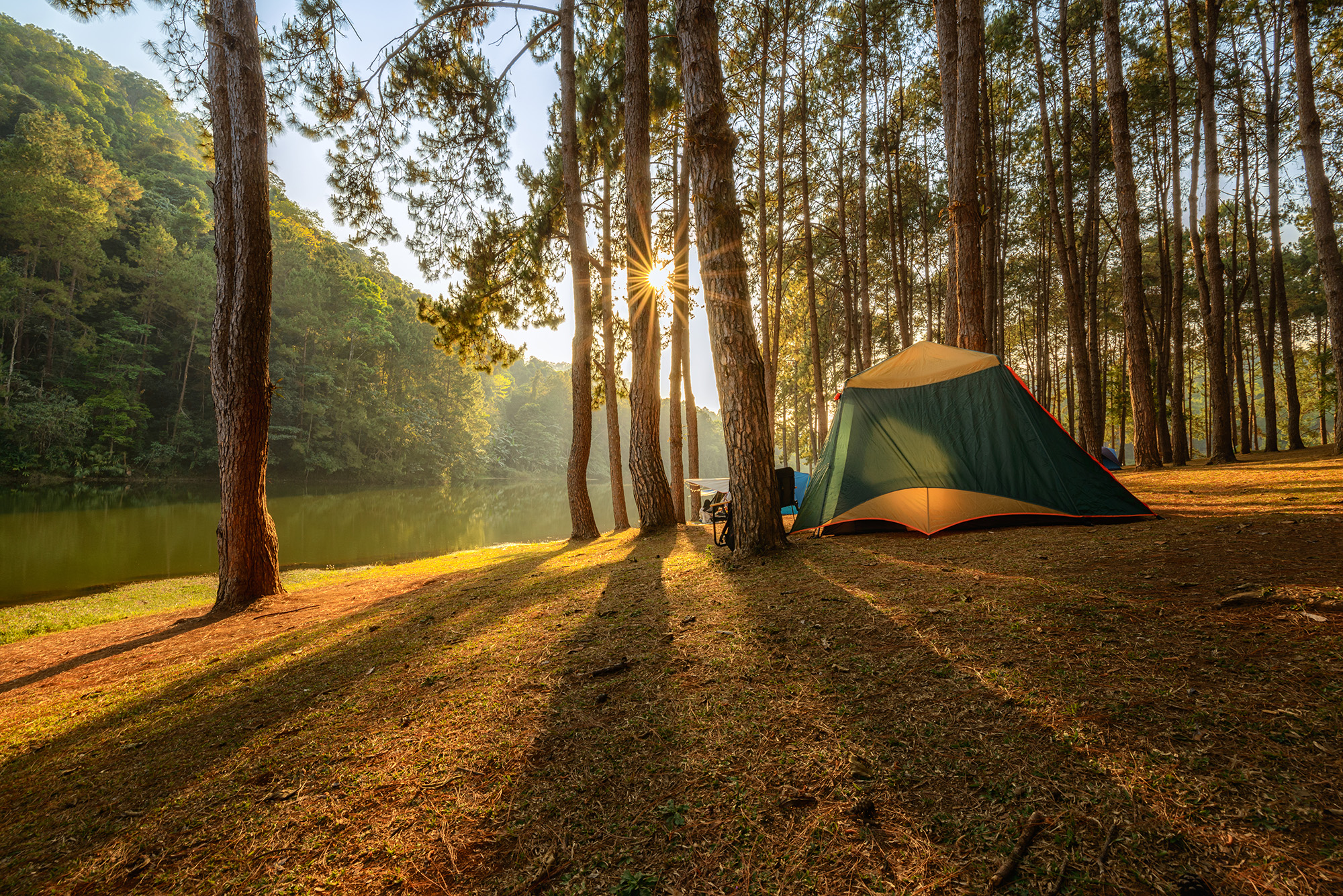 Adventures are waiting just outside your door. (Peerapat_Lekkla/Getty Images)
The Options Are Many
Humphreys emphasizes outdoor trips, but any activity that breaks routine, reshapes perspective, and pushes us past the bounds of the familiar is a candidate for a microadventure. Here are some ideas to get you started:
1. Just drive. Pick a direction (or ask your spouse or kids to) and start driving. Take backroads if possible. You never know what’s around the next bend. If you have the time, plan for an overnight, but don’t line up lodging ahead of time. Figure it out on the fly.
2. Sleep under the stars. I went camping for the first time in about a decade, just for one night. It was cold and uncomfortable. But after nightfall, the moonlight in the forest was enchanting. It fell in glittering filaments across the forest floor, a mesmerizing patchwork of liquid silver and inky darkness. I had forgotten what it was like to wake to a gray dawn as the birds just beginning to sing. After my stiff fingers rekindled the coals, the smoke from the fire mixed with the mist of the morning. Unforgettable.
3. Hunt for rocks and fossils. Be bedazzled by agate, quartz, and garnet. If you get lucky, stare in awe at an ancient creature preserved in stone—it probably won’t be a dinosaur, but small fossils like shells or coral are relatively common.
4. Climb. Find the highest point in your town or surrounding area and conquer it. Climb to the top and survey the world below. If you live in Kansas, make do: find the tallest building and see if you can get permission to go to the top.
5. Get lost. This idea comes courtesy of Hannah McCaughey, writing for Outside magazine.It’s a great game to play with kids. The rules are simple: walk to an unfamiliar part of the neighborhood, town, or park, then ask the kids to help find the way home, encouraging them to look for landmarks. “Enjoy as your kids enter hero mode: ‘I remember that tree! It’s this way!’ They will likely surprise you with an incredible sense of direction,” said McCaughey. You can always pull up Google Maps on the phone if necessary.
6. Go on a nighttime hike. When the day ends, the adventure begins. Pack a backpack and hit the trails with your loved ones to feel moonlight on your skin as it floods the forest.
7. Pick apples. Many orchards allow you to fill a bag of apples directly from the trees. Wandering the groves and picking fruit entertains children and adults alike, and this adventure provides spoils you can bring home.
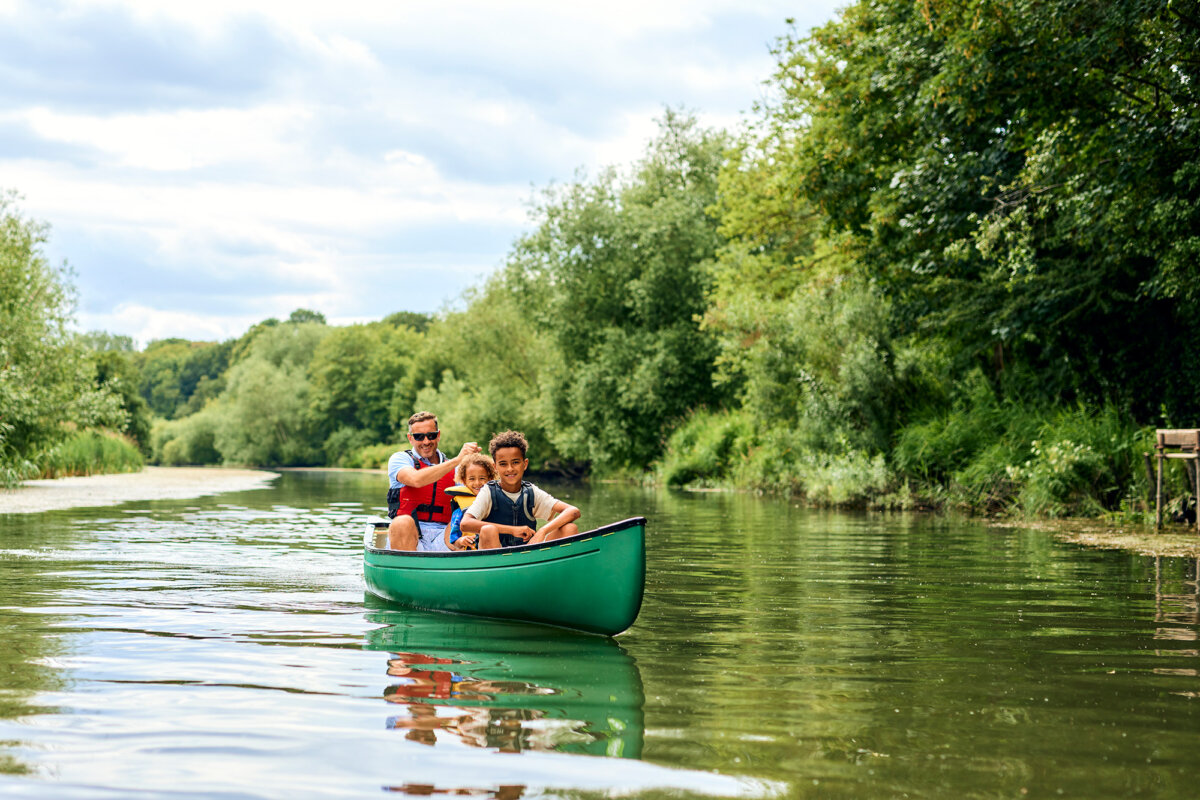
8. Kayak, canoe, or swim wild. Explore local waterways by boat or, sans craft, just by swimming. Humphreys described the bracing yet exhilarating experience of swimming in the wild:
“I have swum in rivers on days when I am in a foul mood, or in a great hurry. Unlacing my shoes and preparing to swim I have cursed myself as an idiot … without fail I have emerged from the water a new man, bouncing and invigorated by the cold, my mind recharged and refreshed and caring not a hoot that my hair is wet and I am five minutes behind schedule.”
This adventure pairs well with the next one:
9. Riverside picnic. A basket, a blanket, the tinkling water, and bliss.
10. Foraging. Find a feast in the forest and fields. Just make sure you can properly identify all the plants, roots, berries, and nuts you gather! Or, challenge yourself to put together a meal only using ingredients you gathered, hunted, or fished yourself. Cook over a campfire for an even richer experience.
11. Explore a town on foot. Ditch the car and explore a nearby town entirely on foot. Wander down streets you don’t normally set foot on. Stop into the little shops you drive past everyday but have never visited. Pretend you are a tourist in your own home town, and suddenly the beauty of home will reveal itself anew.
12. Geocaching. Use an app and a GPS to navigate to hidden “caches” in this ongoing treasure hunt that gets you outside and active.
These are a few ideas, but the possibilities are endless.
As Tracy from the Travel Bug Tonic blog put it, “Seeing home with fresh eyes requires intention, effort, and sometimes a willingness to be mildly uncomfortable. But here’s the thing. Microadventures offer many of the same brain-boosting benefits as travel. Novelty disrupts mental ruts. Curiosity restores aliveness. Awe expands perspective.”
All we have to do is step outside our door.