



On the mesmerizing Mendocino Coast, life is lived in the slow lane. The salty sea breeze and surging surf seem a world away from hectic city life.
We cruised carefree in our metallic-blue Mustang along the curving coastline on charismatic Highway 1. Etched between sheer cliffs and crashing waves, the road twisted and turned from crystalline coves to redwood groves.
Just three hours north of San Francisco are Mendocino coastal communities chock-full of character. Cozy inns invite you to curl up by a crackling fire and to enjoy a gourmet dinner. They serve up freshly caught seafood and organic produce from local farms. Cheeses are crafted in family dairies, honey is supplied from coastal hives, and mushrooms are foraged from redwood forests. Small-scale vintners make award-winning wines in nearby Anderson Valley.
Quartet of Inns
The quaint maritime village of Mendocino is more reminiscent of Cape Cod than California, with its prim saltbox cottages and charming Victorian homes. My wife Maria and I stayed at four Mendocino-area inns for two nights each, over eight days, with breakfasts and a dinner or appetizers included.
The distinctive inns and their delicious fare differed dramatically. They ranged from a vegan eco-resort to a rustic-chic bed and breakfast to a family-friendly seaside resort among the redwoods.
We also ate at three memorable restaurants in the hamlets of Elk and Albion and in downtown Fort Bragg. We rode horseback on a sandy beach, paddled a canoe on a forest river, and ambled through botanical gardens. Autumn is the best time to visit the Mendocino Coast for wonderful weather and the chance to view a palette of colors. In Mendocino, the trees transform into a vibrant tapestry of yellow, red, and orange. The pinot noir grapes turn deep purple at harvest time in Anderson Valley.
Vegan Delights Amid a Wildlife Haven
Just south of Mendocino Village on the first day of our fall excursion, we drove on sinuous Highway 128 through Navarro River Redwoods State Park. Under the emerald canopy, the sunlight dappled onto the forest floor in a mosaic of light and shadow. The road turned dark at times in tunnels of majestic redwood groves.
Shortly, we arrived at the Stanford Inn above the Big River estuary. Jeff and Joan Stanford have spent the last 46 years nurturing one of the country’s only 100 percent vegan eco-resorts. The organic farm’s terraced garden that steps down the hillside provides vegetables and herbs that make it to your plate at the onsite restaurant, Ravens. It serves whole-food, plant-based cuisine with no alcohol, a contrast to most vegan restaurants that introduce at least some processed ingredients.
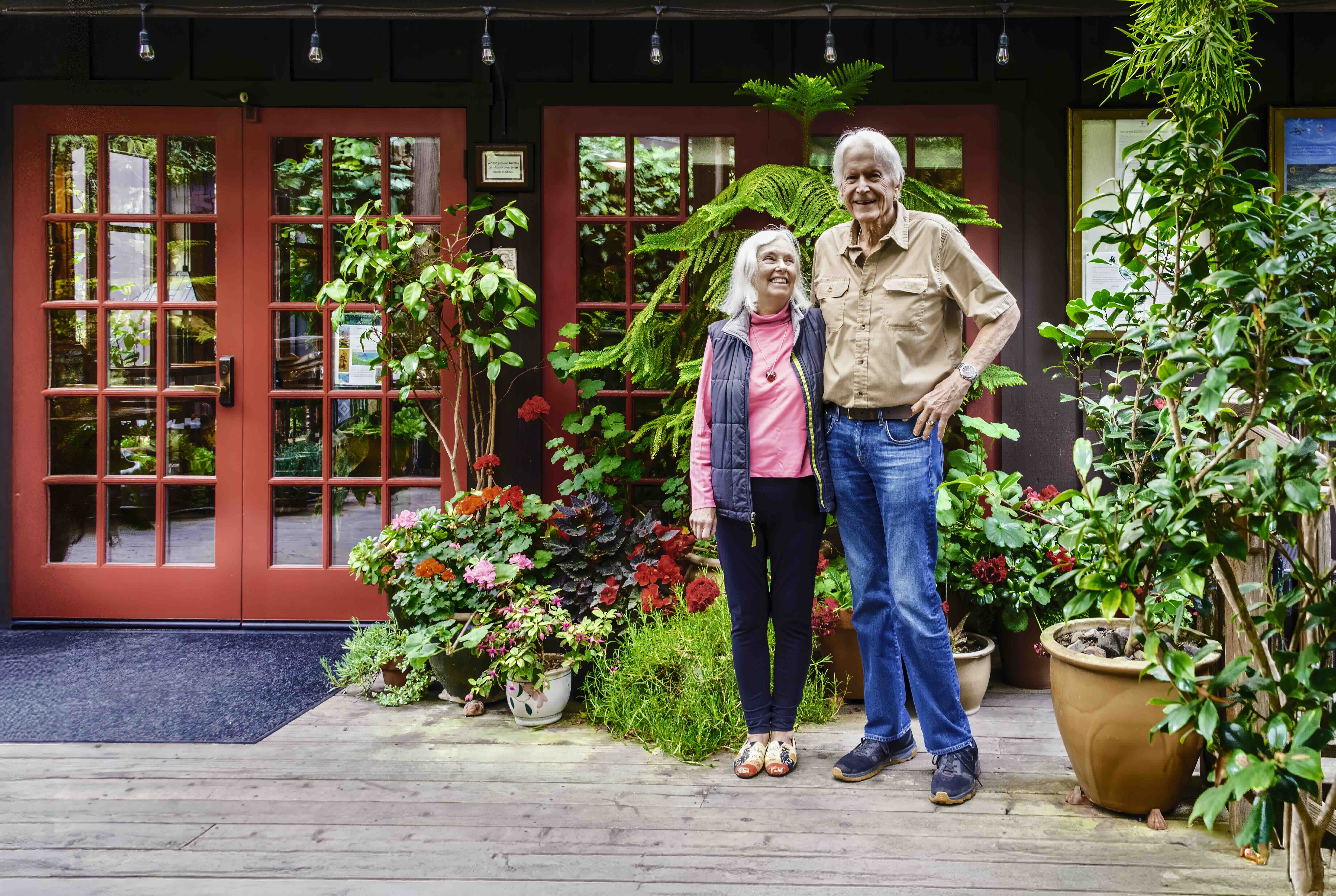 Jeff and Joan Stanford, owners of The Stanford Inn, a vegan eco-resort. (Maria Coulson)
Joan graciously stopped by our table to explain the restaurant menu. Maria chose roasted beet salad, shiitake stir-fry, and creamy polenta that were a union of sweet-earthy and umami-rich. I selected the sea palm strudel for its oceanic taste and flaky, pastry texture, along with a hearty hemp-ricotta ravioli.
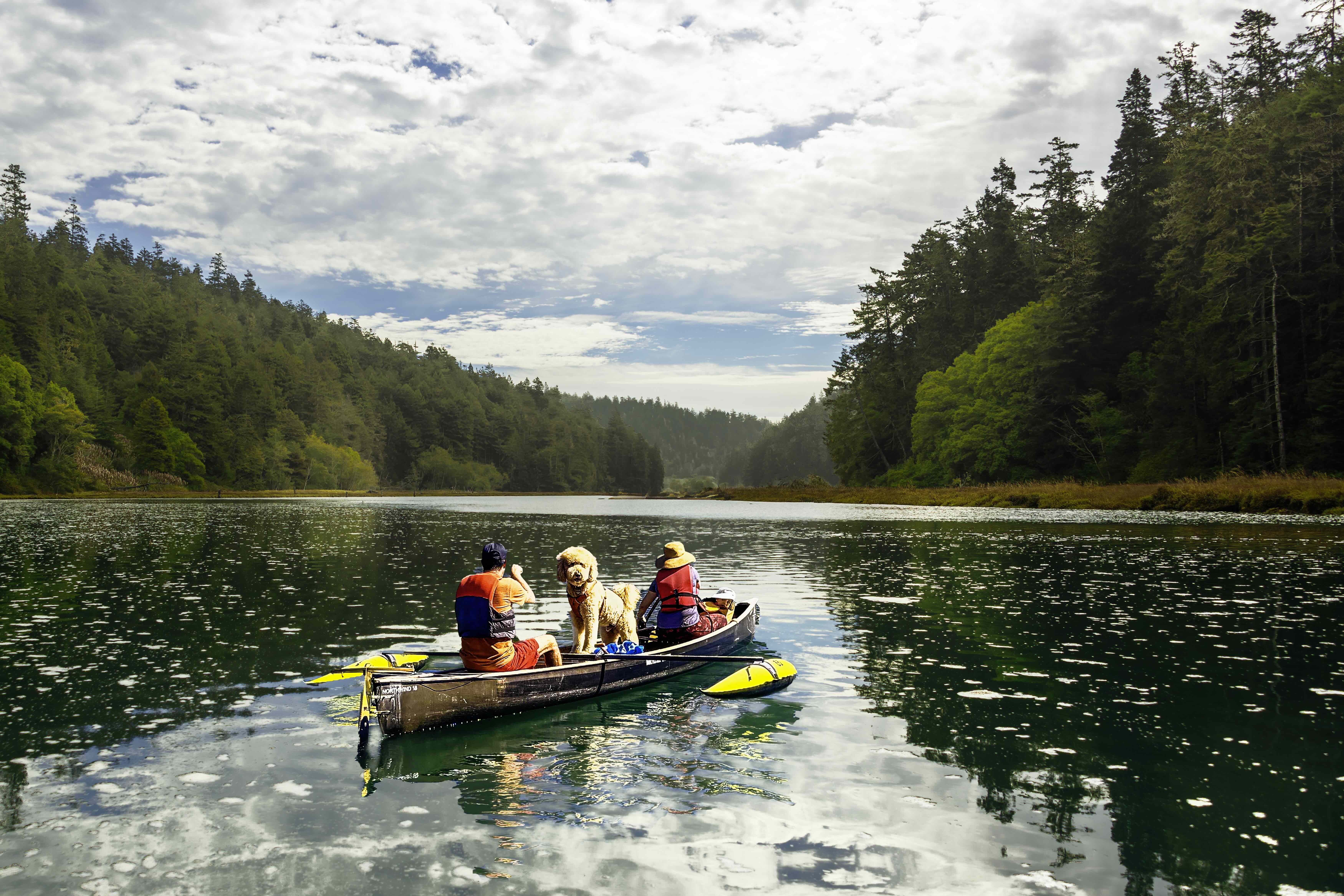 Canoeing on the Big River. (Maria Coulson)
 Double-crested cormorants rest on a log floating on the Big River. (Maria Coulson)
Grand Hospitality
The MacCallum House is a historic Victorian inn steeped in elegance and charm, ideal for wedding receptions and romantic escapes. When we arrived at the MacCallum House, a wedding party was gathered on the inn’s wide, wrap-around porch. Men milled about in handsomely tailored suits and ties, and superbly coiffured women in chic dresses clicked around in high heels.
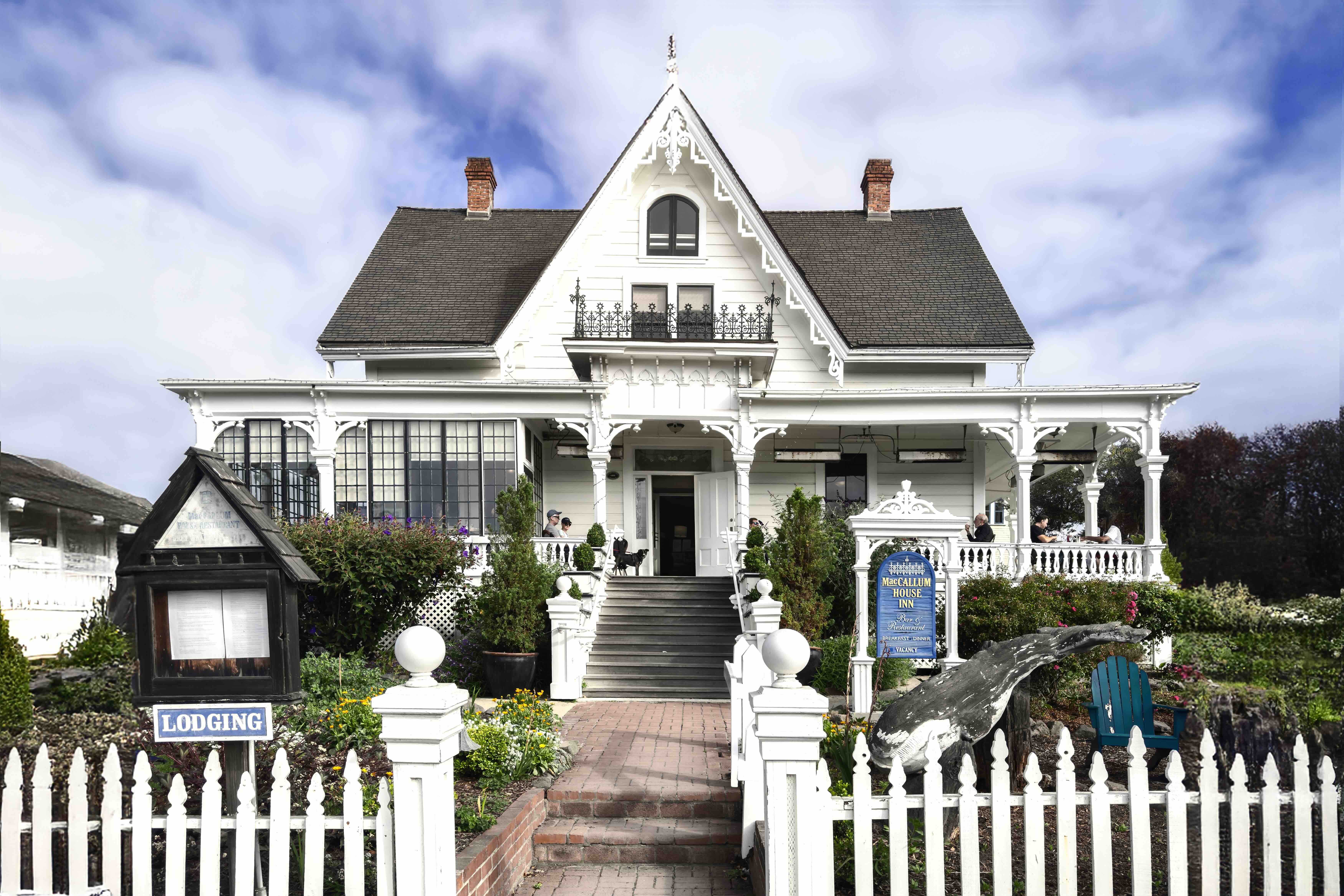 MacCallum House Inn is a historic Victorian property dating to 1882. (Maria Coulson)
At the MacCallum House Restaurant, we requested a table next to the tall windows on the sun porch. Maria opted for saffron arancini with black olive and pistachio sauté that presented a lush richness and hint of nuttiness. I chose pan-seared duck breast with syrah-morel mushroom jus, which had a smoky succulence and a flavor undertone of dark chocolate. For libations, an Anderson Valley pinot noir had a vibrant fruitiness on the palate, a reflection of the region’s terroir that gives the grapes their distinctive character.
Fifteen miles south of Mendocino on Highway 1 is a cliffside hamlet of about 200 souls, where there are commanding views of sea stacks and rock arches amid cerulean sea. Elk was recently recognized as “America’s Best Small Food and Wine Town” by Travel + Leisure magazine.
We made reservations at the small Sibo Restaurant, located inside the Elk Cove Inn. The husband-and-wife team is composed of Peruvian-born chef Victor Passalacqua, who made his culinary debut in Montreal, and French-born sommelier Melissa Boon. They create a convivial atmosphere and carefully curated meals with a distinct French flair. For example, shrimp sautéed à la Provençale was light and aromatic with an herbal accent and bright finish. The St. Jacques aux poivre vert et au cognac—pan-seared scallops with peppercorn-cognac sauce—had robust flavor and peppery piquancy. Both were complemented well by an Anderson Valley sauvignon blanc with citrusy notes and a subtle oak influence.
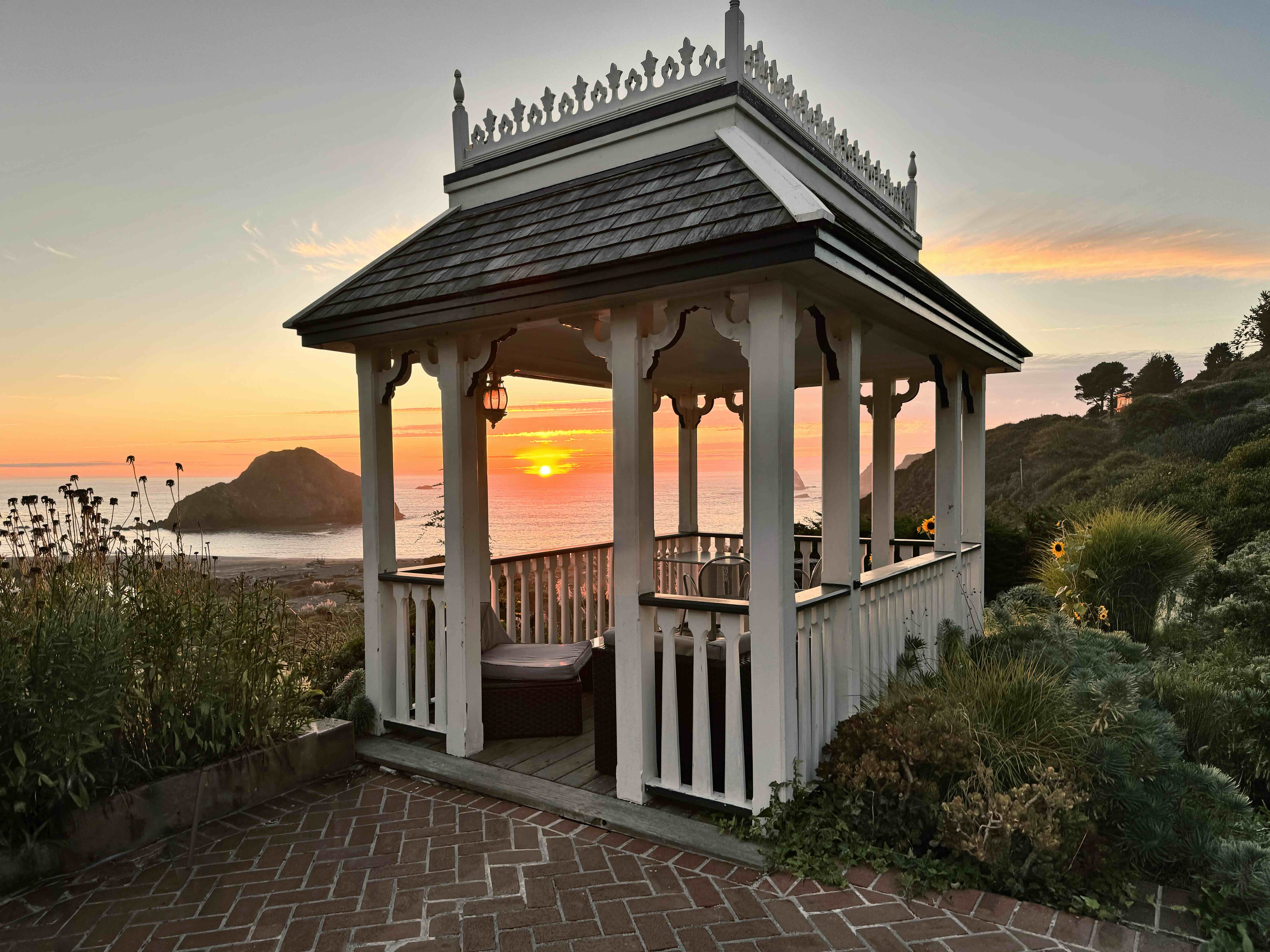 The sun sets behind an ornate gazebo at Sibo Restaurant in the hamlet of Elk. (Maria Coulson)
Rustic and Refined
Atop a bluff overlooking Smuggler’s Cove, the 10-room Brewery Gulch Inn is a bed and breakfast with a rustic demeanor and refined sensibility. Constructed of 150-year-old redwood logs reclaimed from the Big River, the centerpiece of the inn is the main hall, with its imposing glass-and-steel fireplace that combines stunning design with a sense of home and hearth. Ten-foot-tall, redwood-framed French doors open to the back deck, where we joined other guests for viewing brilliant sunsets. A wine tasting hour each evening included appetizers served in bento-style boxes emblematic of Japanese culinary culture.
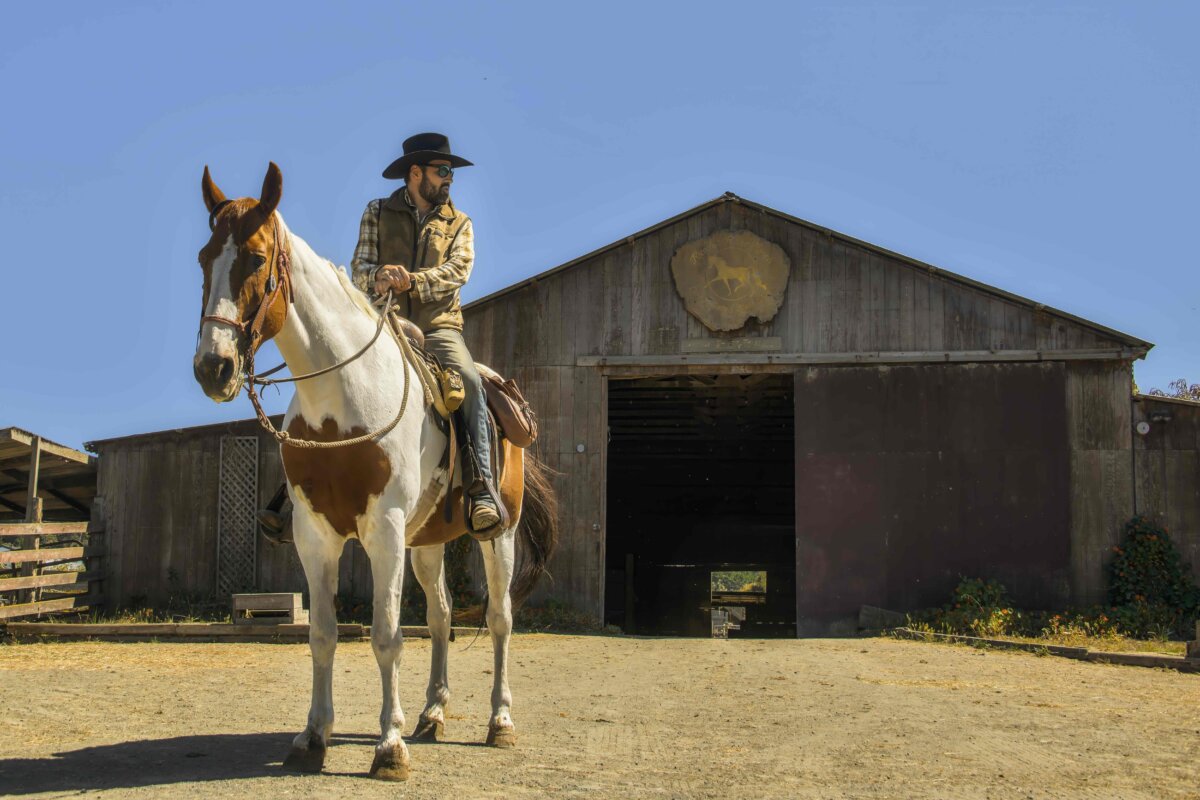
A short drive from Mendocino is the Ricochet Ridge Ranch, which provides trail rides. Guided by wrangler Kyle Papke astride his handsome chestnut-and-white paint Poncho, we rode horseback on Ten Mile Beach at MacKerricher State Park. The fog wafted across the sandy dunes and sunlit sea, enveloping us in a gentle embrace before once more slipping away. Whether riding on the broad shoreline or walking cypress-crowded pathways with the sharp scent of salt and pine, you learn to listen to the wind, the waves, and yourself. You begin to realize that being in nature leads to a growing self-awareness that we are part of an intricate web of life.
Near the towering Albion River Bridge, the only remaining wooden-trestle bridge on Highway 1, Terra Mar Kitchen is located on a precipitous ocean cliff. The experience was perfectly pitched, as we enjoyed savory mussels and fresh-catch rockfish seated at a corner-window table and witnessed a surreal sunset.
Rich With History
Snuggled amid redwoods above the seashore, the Little River Inn is family and pet friendly with 65 ocean-view rooms. The Victorian house built in 1853 retains some of the original rooms with ancestral heirlooms. Our spacious accommodation had a balcony, a sitting area with a gas fireplace, and a jetted bathtub big enough for two. There are tennis courts that light up at night and a nine-hole Audubon International-certified sustainable golf course on the property’s 225 acres.
The Little River Inn has entertained guests since 1939. The family’s fifth-generation innkeeper Cally Coombs describes herself as the “custodian of a legacy.” She first worked in the inn when she was 5, at Ole’s Whale Watch Bar, named for her gregarious grandfather. The ocean is a short golf shot from the bar stools.
The Little River Inn Restaurant offers different dining options and new twists on traditional dishes, from a cheeseburger with bourbon-bacon jam to lobster tagliolini with yuzu caviar. A kid’s menu is available, and you can dine with your dog. We were seated in the white-tablecloth Red Room with Victorian decor and a crystal chandelier. Maria and I savored stuffed agnolotti prepared with black pearl oyster mushrooms and Parmesan with black truffle cream. A harmonious balance was created between the earthiness of the mushrooms and the creaminess of the sauce, complemented by the acidity and fruitiness of a Barbera wine made in Anderson Valley.
Cultivated Beauty
The largest town on the coast between San Francisco and Portland, Oregon, Fort Bragg is home to Mendocino Coast Botanical Gardens, which stretches across 47 acres with manicured gardens, dense pine forest, and windswept headlands. The dazzling array of dahlias, fuchsias, and magnolias were in bloom during our fall visit; in the spring, rhododendrons reaching 20 feet high are the highlight.
At the commercial port’s sleek KW Saltwater Grill, we were greeted by the affable owner and chef Kelly Wilson, who knows the local fishermen by name and does them proud in her kitchen. For an appetizer, we shared a seafood charcuterie platter with oysters, ahi tuna, ceviche, mussels, and smoked fish. The buttery texture of the black cod we ordered was enhanced by a locally made sauvignon blanc. The Alaskan halibut’s delicate profile was similarly elevated when paired with the wine.
Mendocino retains what many coastal destinations have lost with chain hotels and restaurants, crowded promenades, and the pressure to be somewhere someplace now. The sense of serenity you can experience here reflects the rhythm of the ocean. Our time spent at the Mendocino Coast inns and restaurants with genuinely hospitable people and in harmony with the natural splendor was a soulful sojourn for body, heart, and mind.
This article was originally published in American Essence magazine.
