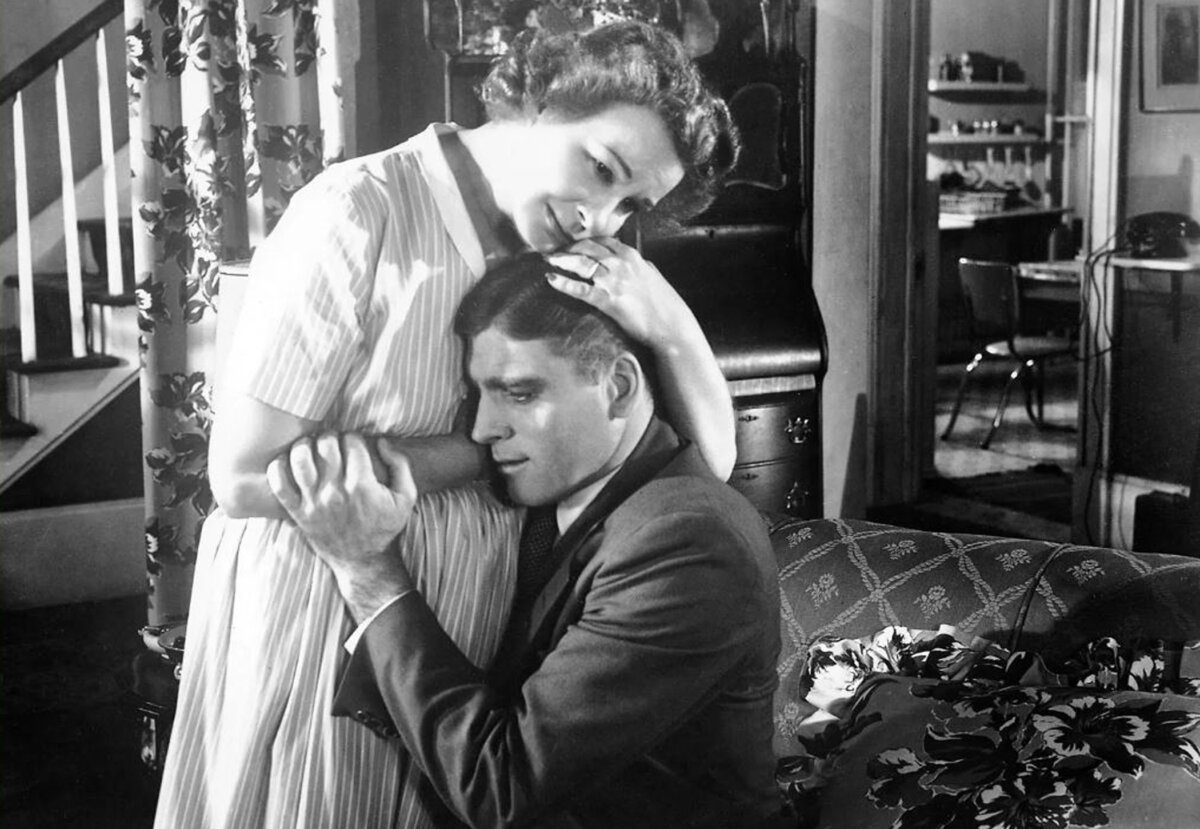
NR | 1h 39m | Drama, Romance | 1952
Movies about alcoholism can entertain, disturb, warn, and sometimes even help folks recognize their problems. That’s the power of filmmaking. Stories seen at the right time can get through to people in ways that advice and well-meaning warnings can’t.
Several classics deal with alcoholism, including “Days of Wine and Roses” (1962) with Jack Lemmon as San Francisco public-relations man Joe Clay.
Billy Wilder’s “The Lost Weekend” (1945) takes another route, following Ray Milland as Don Birnam, an alcoholic New York writer whose life has been swallowed up by booze. However, it leaves enough hope at the end to suggest that Don may still have a chance.
“Come Back, Little Sheba” (1952) presents the alcoholic who isn’t living some glamorous life before alcohol wrecks it. He’s sharing an ordinary home with his wife, attending Alcoholics Anonymous meetings, and trying to stay sober while years of disappointment hang over his day-to-day life.
There’s something about seeing alcoholism inside such an ordinary marriage that makes this tale especially recognizable, since it could easily be people viewers know.
One Boarder Changes Everything
Every day, Lola Delaney (Shirley Booth) steps outside and calls for Little Sheba, her missing dog, hoping that maybe this time the little mutt will come running home. Inside, her husband, Doc Delaney (Burt Lancaster), is marking a far more important absence: one year without alcohol.
Doc attends Alcoholics Anonymous and keeps working as a chiropractor, though he once had plans to become a physician. His marriage to Lola followed an unexpected pregnancy years earlier. After losing the child, their lives took a very different course from the one Doc had imagined.
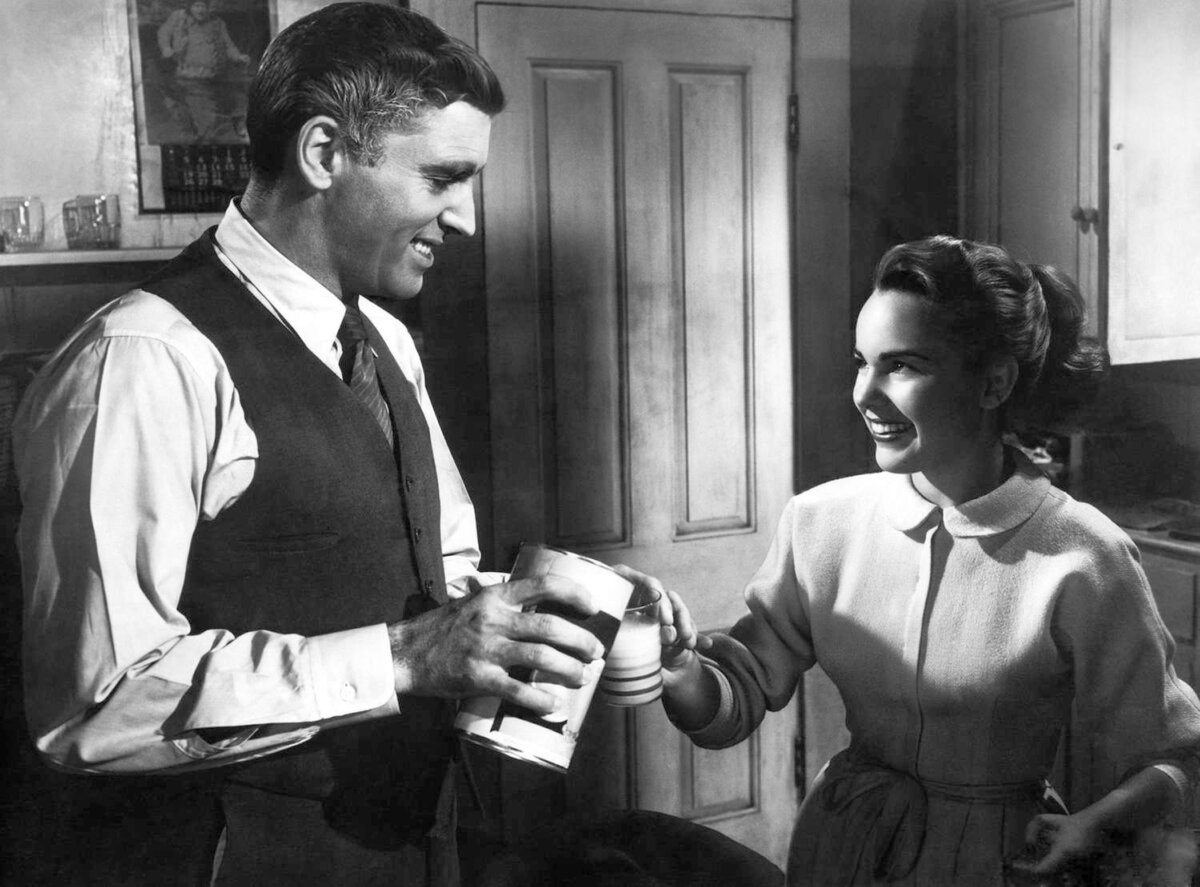
College student Marie Buckholder (Terry Moore) shows up in their lives and rents their spare room. Lola takes an immediate liking to her and perks up at having somebody young around the house, while Doc watches Marie with a mixture of concern and fascination.
Things grow uncomfortable once Turk Fisher (Richard Jaeckel), Marie’s athletic friend, starts dropping by. The young couple and all their flirtation bring Doc face-to-face with the youth, romance, and possibilities that he feels disappeared from his own life long ago.
Marriage, Memories, and the Bottle
William Inge’s “Come Back, Little Sheba” began on Broadway, where Shirley Booth won a Tony for playing Lola. She reprised the role for Daniel Mann’s 1952 screen version and went on to win the Academy Award for Best Actress. Considering how much of the story unfolds inside one house, the film could easily have felt stagebound, but Mann keeps it from becoming visually stale.
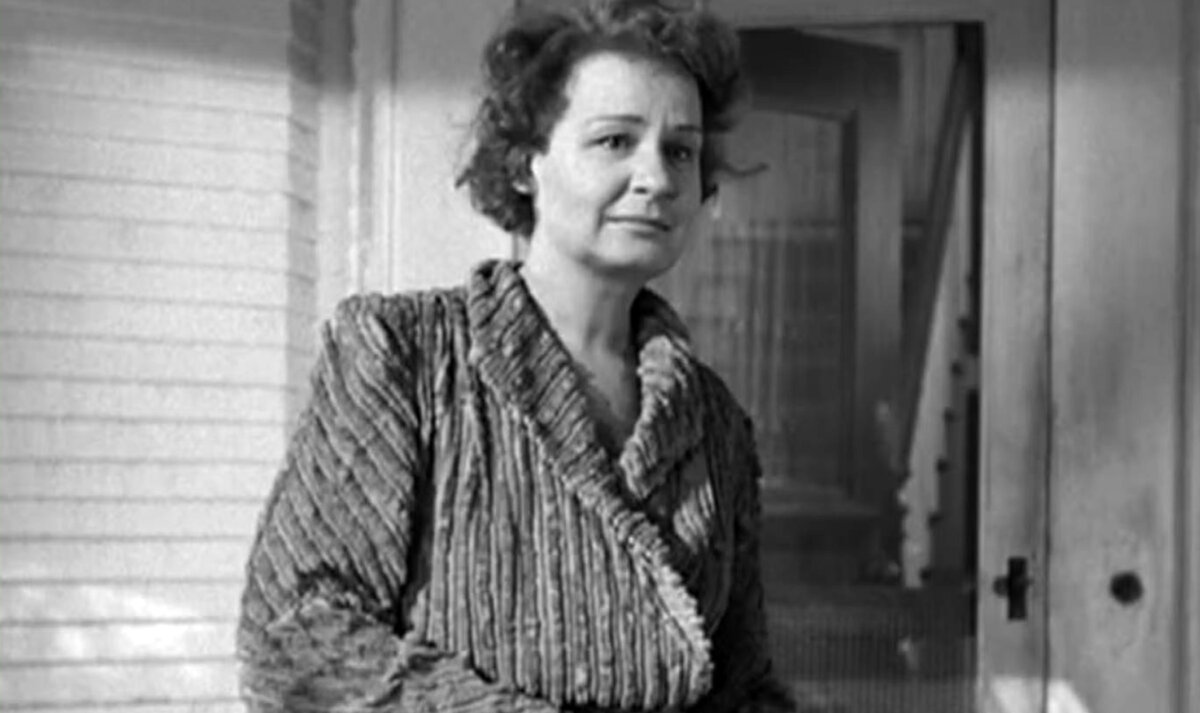
Indeed, some of Lola’s smallest moments lingered with me. For example, early one morning, Lola comes out of the house to check the mailbox. She spots a dog running down the street; for a second, viewers can see Sheba come rushing back into her mind.
There’s a little flicker of hope in her expression, almost as though she’s wondering whether it could somehow be her missing dog after all. Booth packs longing, memory, and disappointment into a few seconds using only her posture and face.
Lancaster gives us equally effective little touches here and there. One that stands out comes after Marie has moved in. She greets Doc in the kitchen on a bright spring morning, full of youthful enthusiasm.
He instantly seems to catch some of her upbeat energy himself, as his voice, posture, and mannerisms seem younger for a few fleeting moments. Then Marie leaves and Lola comes in. Although Doc is kind to his wife and even caring in his way, there’s a romantic disconnect between them.
What’s impressive here, and where many similar films fail, is how Lancaster never needs to turn Doc into a guy who suddenly snaps at Lola every time she speaks just to tell us their marriage has problems.
He lets us see the difference in how Doc responds to the two women. This happens subtly at first, making what eventually happens far more believable. Considering Lancaster was coming from films where audiences expected his enormously toothy grin and a fair amount of physical bravado, his work here is remarkable.
Tonally, the film seems to have a profound understanding of alcoholism. It neither sugarcoats the disease nor makes everything too dreary.
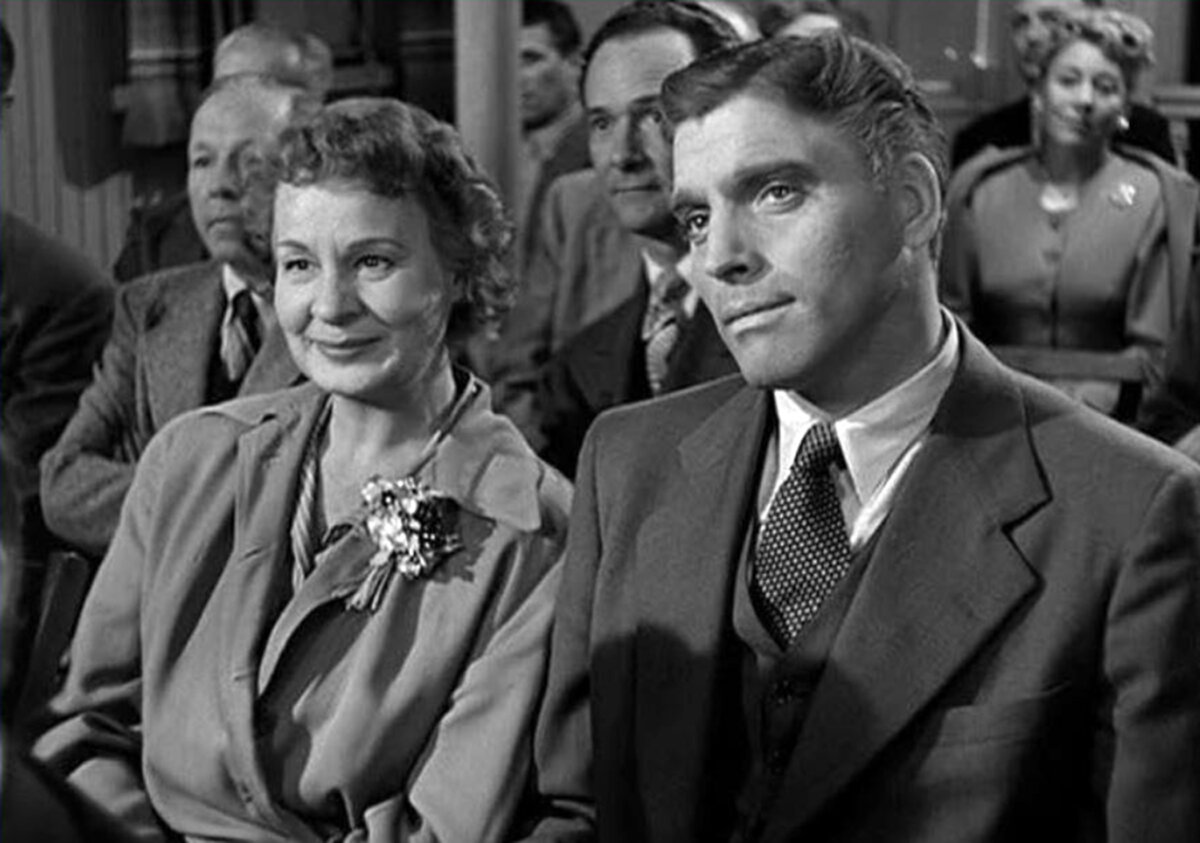
Doc may have stopped drinking, yet the wreckage that drove him toward the bottle is still there. He lost his career; he and Lola never had a child to raise. He’s carried resentment for years, and his marriage is more companionship than romance.
Alcoholics Anonymous gives him support and a map forward, but as Doc wisely tells his wife, staying sober still has to happen one day at a time.
That makes “Come Back, Little Sheba” a good watch beyond its incredible performances and cinematic craftsmanship. Anyone who has struggled with alcoholism, or watched somebody close to them descend into it, may recognize pieces of real life here.
The film never treats recovery like a clean finish line, yet it refuses to close the door on hope. Viewers spend time with two damaged, imperfect people who still have a chance to salvage something for the years ahead.
It’s a lovely film. Just make sure you bring the tissues for this weepie.
“Come Back, Little Sheba” is available on Amazon, Kanopy, and Apple TV.
‘Come Back, Little Sheba’
Directors: Daniel Mann
Starring: Burt Lancaster, Shirley Booth, Terry Moore
Not Rated
Running time: 1 hour, 39 minutes
Release Date: Feb. 13, 1953
Rated: 4 stars out of 5
What arts and culture topics would you like us to cover? Please email ideas or feedback to features@epochtimes.nyc.