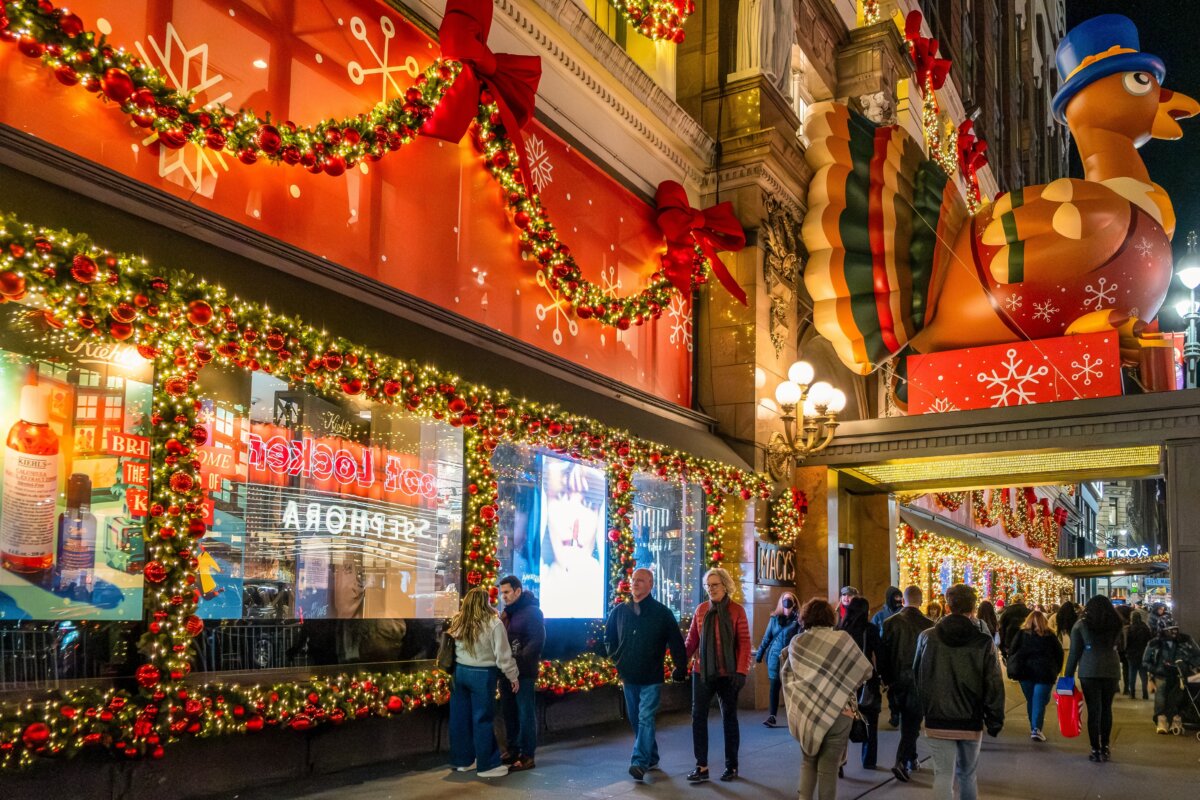
Every fall, many supermarkets advertise whole turkeys at or below the wholesale price (sometimes for under $1 per pound). For the store, it’s the first step in a pricing strategy.
The turkey gets you through the door, and the store makes its money on the rest of the purchases in your cart.
However, that loss leader turkey deal can still save you money, as long as you know what the store expects you to buy next. The key is understanding how the loss leader strategy works, and how to shop around it.
Quick Answer: Why Are Turkeys So Cheap Before Thanksgiving?
Turkeys are often cheap before the holidays because stores are using them as a “loss leader”—a product priced at or near cost with the specific goal of bringing shoppers into the store. Once inside, the store is counting on you to buy additional items such as stuffing, pie, rolls, and drinks. Those items usually carry higher profit margins, which offset the turkey’s low sticker price. Stores also tend to plan turkey supply and pricing well before the holiday, which helps them offer deep discounts.
What a Loss Leader Is and Why Turkey Works
A loss leader is a heavily discounted item meant to bring shoppers into the store. The store may earn very little on it, or even lose a little, because it makes its money on everything else you put in the cart.
Turkey is a good fit for this for the following reasons:
-
Most Thanksgiving hosts plan to serve one, and a low price reaches a large share of shoppers.
-
A turkey’s price per pound is simple to compare between stores, and shoppers tend to remember a good one.
-
Most holiday turkeys are sold frozen, and many go into cold storage ahead of the season, which lets stores stock up and discount them.
Turkey makes up less than half of what a Thanksgiving dinner costs. In the 2025 Farm Bureau survey, a 16-pound frozen turkey averaged $21.50 of a $55.18 dinner for 10. That leaves more than $33 for the sides, rolls, and dessert, which is where the store has room to make up the difference.
How Store Layout Shapes Your Holiday Cart
Stores design their layouts to influence what you see first and what you walk past, and much of it is meant to encourage impulse buys such as the following:
-
Seasonal displays near the entrance; putting holiday items in front of you before you’ve started on your list.
-
Stuffing mix, gravy, cranberry sauce, and pie fillings grouped together, making each one feel like part of a set.
-
Bakery pies, rolls, and prepared sides displayed where many shoppers walk past.
-
Disposable pans, foil, and serving items on end caps, where they’re easy to toss in your cart.
A long list and a crowded store can wear you down, and when you’re tired, you may add more items than you planned. Knowing about it helps you notice the pull.
Do Loss Leaders Drive Grocery Inflation?
Not directly. Loss leaders shift prices within a store’s product mix, and there’s no clear evidence they raise grocery prices nationwide. The bigger effect is on your own spending. A low turkey price could lead to a larger total bill if you buy more than you planned.
Read the Fine Print on Spend Thresholds
Many turkey deals come with a catch. Stores may require a minimum purchase, limit one bird per customer, or ask you to use a digital coupon or loyalty card. Minimums vary widely by store, so check before you buy.
If your regular holiday shopping already adds up to the minimum that the store requires, you lose nothing by meeting it. But if you’d have to buy extra items just to qualify for the discounted turkey, the cost of those items cuts into what you save.
A Step-by-Step Framework for Keeping More of the Savings
-
Always start with your menu and number of guests. A good rule of thumb is to allot 1 to 1.5 pounds of turkey per guest, and a written shopping list helps you skip impulse buys.
-
Collect the weekly ads from stores near you and compare turkey prices per pound, noting any minimum purchase or limits.
-
Match your list to the ads, buy sale items where they’re advertised, and skip what isn’t discounted.
-
Check store-brand versions of pantry staples such as stuffing mix, canned goods, and baking supplies, which often cost less than name brands.
-
Stack digital coupons, loyalty pricing, and cash back apps when the store’s rules allow it.
-
Set a spending cap before you go, bring your list, and pass on seasonal displays that aren’t on it.
Is Split-Store Shopping Worth It?
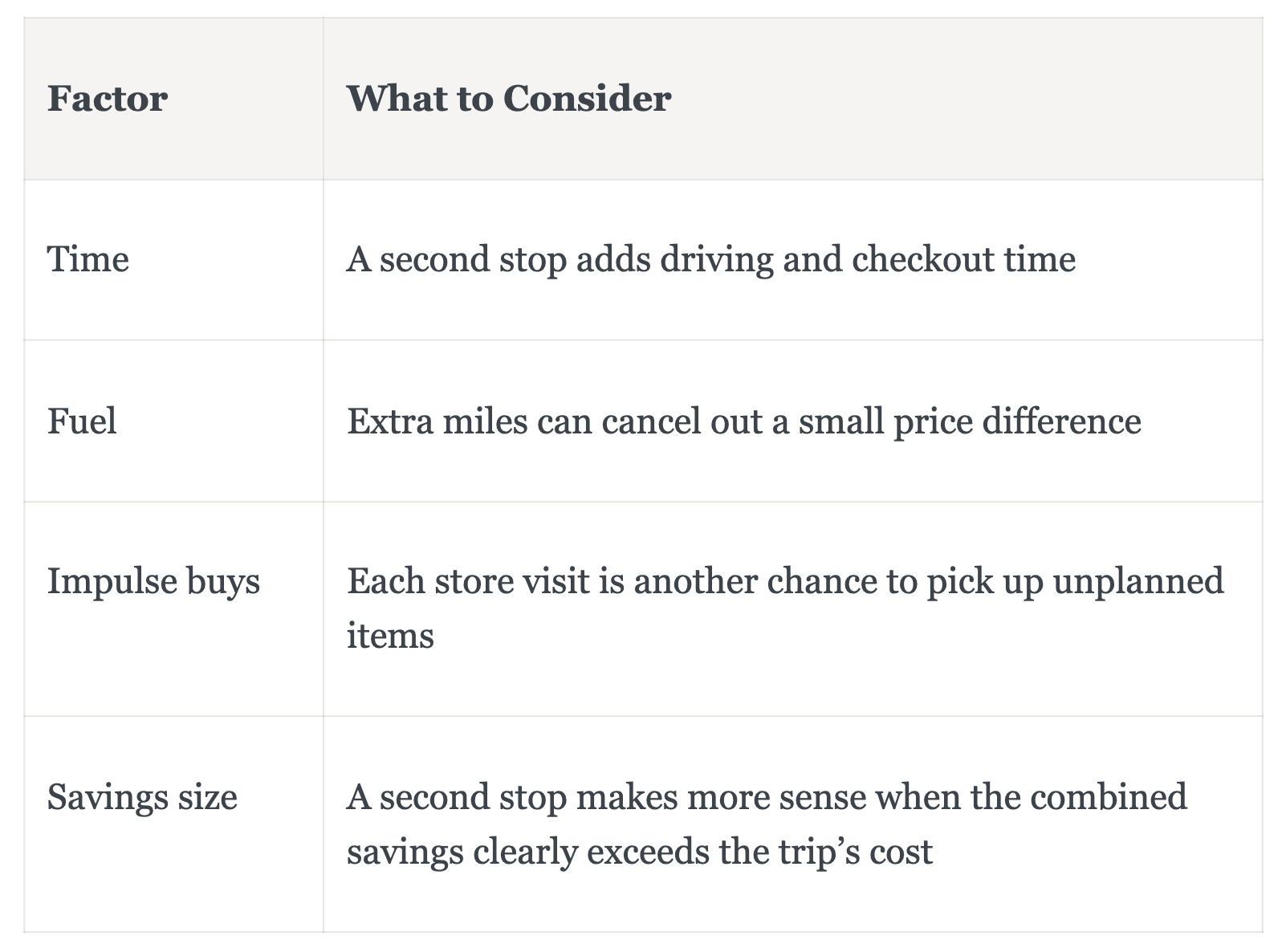
Split-store shopping means buying the turkey at one store and the rest of your list at another store that offers lower everyday prices. It can save money, but a second trip costs time and gas that you’ll need to include in your budget.
FAQs: Thanksgiving Turkey Loss Leader
Do Grocery Stores Lose Money on Thanksgiving Turkeys?
Sometimes, but the small amount they lose on the bird is the price they pay to get you into the store. Shoppers who come in for a cheap turkey often leave with stuffing, pies, and drinks, and those items earn the store a profit. Many stores also lock in turkey supply months ahead, which helps them afford a deep discount.
Is a Cheap Turkey Worth It if I Have to Meet a Minimum Purchase?
It depends on what you’d buy anyway. If the minimum matches your normal holiday shopping, the deal is likely a good one. If you’d need to add items you wouldn’t otherwise buy, compare the total with other stores’ prices. Check the ad for limits, such as one turkey per customer, and whether you need a coupon or loyalty card.
When Do Turkey Prices Drop Before Thanksgiving?
Stores advertise their best turkey deals in the weeks before the holiday, and prices often fall again in the final days. Frozen birds usually cost less than fresh ones, and they keep in your freezer, so you can buy one when the price looks right. Just leave time to thaw. A large turkey needs several days in the refrigerator.
How Much Should I Plan to Spend on a Thanksgiving Turkey?
In 2025, the national average for a 16-pound frozen turkey was $21.50, or $1.34 per pound, and many stores ran sales well below that. Prices may differ this year, so check your local ads. Compare the price per pound instead of the total, and plan on 1 to 1.5 pounds per guest.
The Epoch Times copyright © 2026. The views and opinions expressed are those of the authors. They are meant for general informational purposes only and should not be construed or interpreted as a recommendation or solicitation. The Epoch Times does not provide investment, tax, legal, financial planning, estate planning, or any other personal finance advice. The Epoch Times holds no liability for the accuracy or timeliness of the information provided.