
Fixation upon one single object or idea limits the mind, as well as one’s opportunities. And, in his short story “Borrowing a Match,” Stephen Leacock mediates upon human fixation to show that only by taking a step back and gaining perspective can one grasp the entirety of reality.
An Unlit Cigar
The story begins with a narrator by confessing that one of the hardest things to do is ask a stranger for a match. He then illustrates what he means by providing his own experience as evidence.
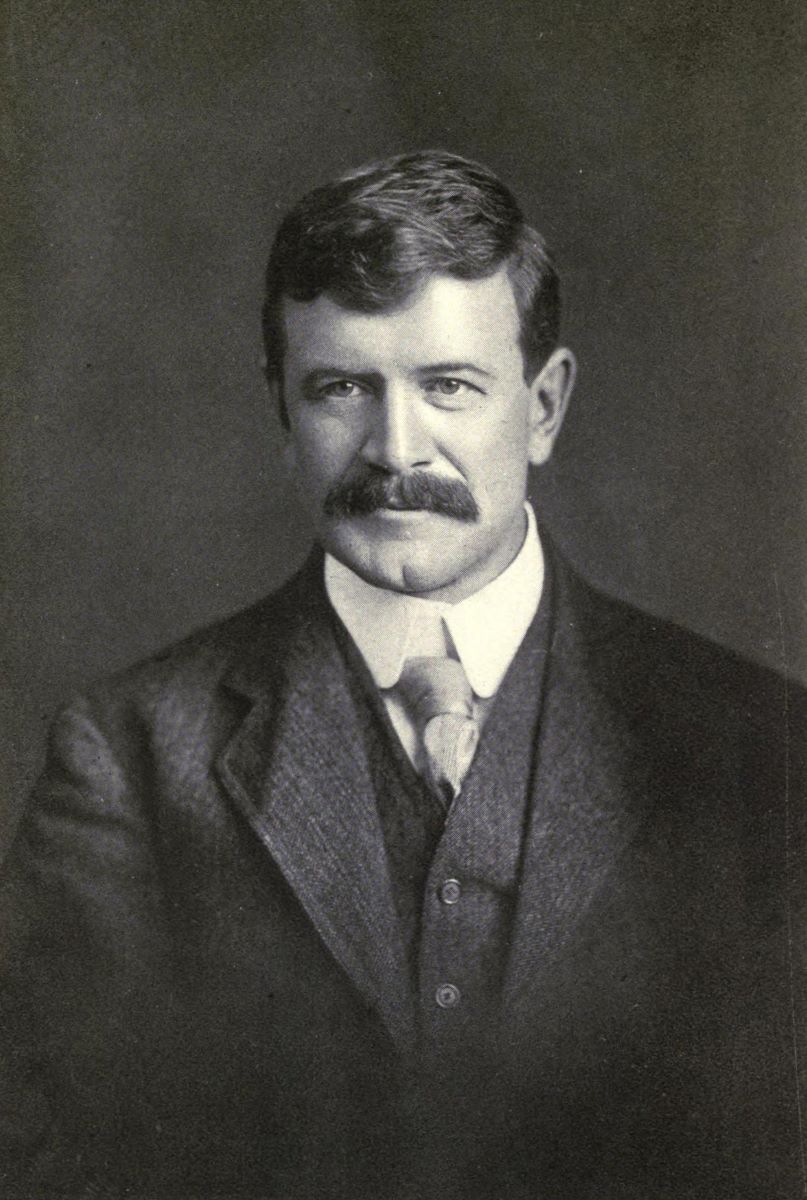
He was standing on a street corner one day when he realized that, though he had a cigar, he had no match to light it. He then decided to wait and ask a passerby. So, when the next man walked by, the narrator asked for a match.
The stranger proved to be all courtesy and began a search through his pockets for a single match. He first unbuttoned his overcoat, saying: “I know I have one, … and I’d almost swear it’s in the bottom pocket—or, hold on, though, I guess it may be in the top—just wait till I put these parcels down on the sidewalk.”
Seeing that he was inconveniencing the man, the narrator insisted that the stranger need not go through so much trouble for a single match. But the stranger remained deaf to reason and checked his waistcoat. He then guessed that he must have it with his watch but failed to find it.
The narrator watched with growing alarm and irritation, for, by now, the stranger “had thrown down his walking-stick and was plunging at his pockets with his teeth set.” The stranger accused the tailor for not making proper pockets and blamed his son for playing in his coat.
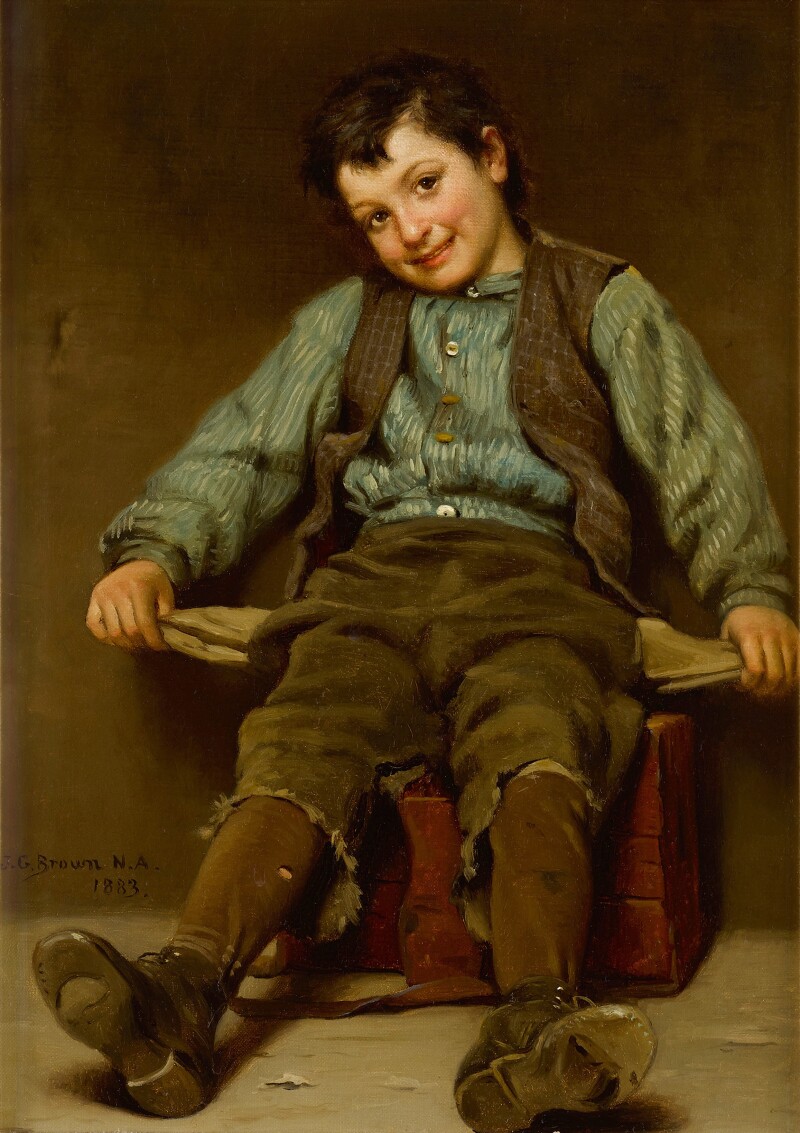
Fixating on a Trivial Matter
As the man grew more and more determined, the narrator tried harder and harder to dissuade him from his search. He insisted that a single match was not worth such trouble.
Unfortunately, the stranger was now so fixated on finding a match that he took off his overcoat and threw it into the snow. The stranger discarded his letters and other items in the snow and searched so feverishly that he trampled on one item after another.
Meanwhile, the narrator helplessly listened to the man’s whining and accusations, while all the man’s goods became soiled underfoot and in the snow.
After what seemed forever, the stranger proudly exclaimed that his search had not been in vain. Yet neither the narrator nor the stranger were satisfied at what came from his pocket.
Through this story, Leacock demonstrates the importance of perspective by focusing on its opposite: fixation. Fixation on a single, small problem drowns out the reality of the bigger picture: The stranger never saw the state of his clothes, parcels, and letters because he only wanted to find a small match.
As C.S. Lewis says in “The Magician’s Nephew,” “What you see and hear depends a good deal on where you are standing.” From where the narrator was standing, he could see the entire picture, while the stranger’s eyesight was shrunk to the size of a match.
Thus, perspective matters immensely, for it allows one the freedom to survey the entire landscape. Perspective grants wisdom and wholeness which would otherwise be lacking.
What arts and culture topics would you like us to cover? Please email ideas or feedback to features@epochtimes.nyc.