See duplicated info below. Need to somehow combine into one.
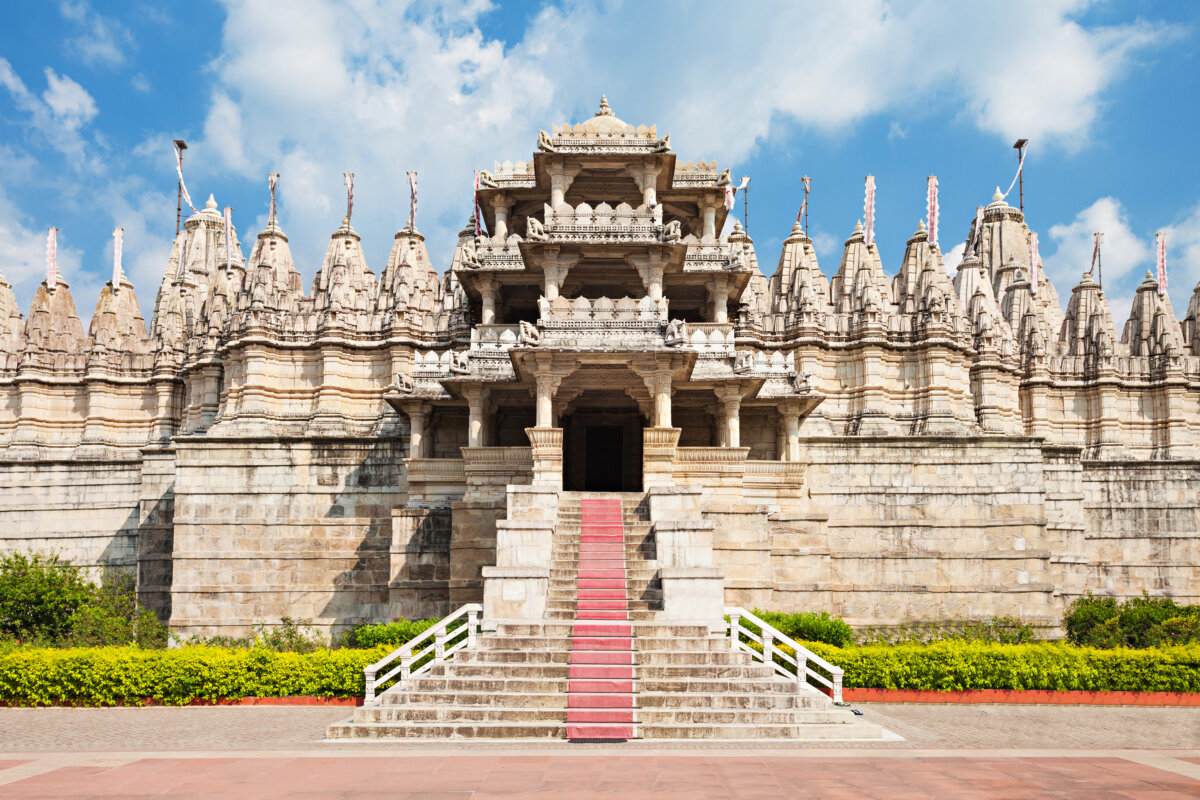
Nestled among the hills of western India, the Ranakpur Jain Temple is a triumph of marble carving, with every surface worked in fine, painstaking detail, which makes it one of the most remarkable religious monuments of the 15th century.
The temple is dedicated to Adinath, also known as Rishabhanatha, whom Jains consider the first of 24 spiritual teachers to guide humanity toward enlightenment. Its construction began under the patronage of Mewar ruler Rana Kumbha, following a vision experienced by Jain minister and merchant Dharna Shah. For more than half a century, thousands of craftsmen and laborers devoted themselves to shaping the temple from marble.
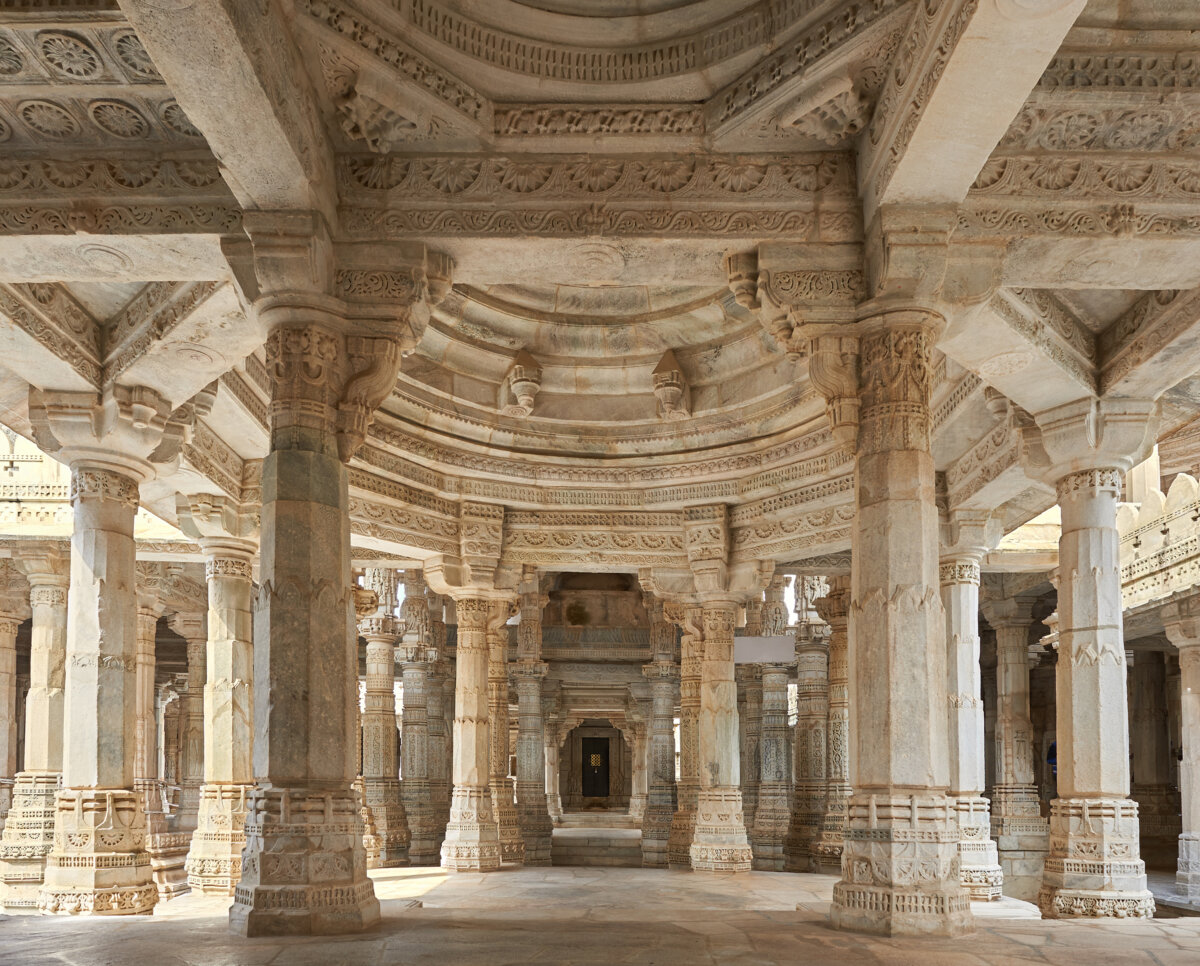
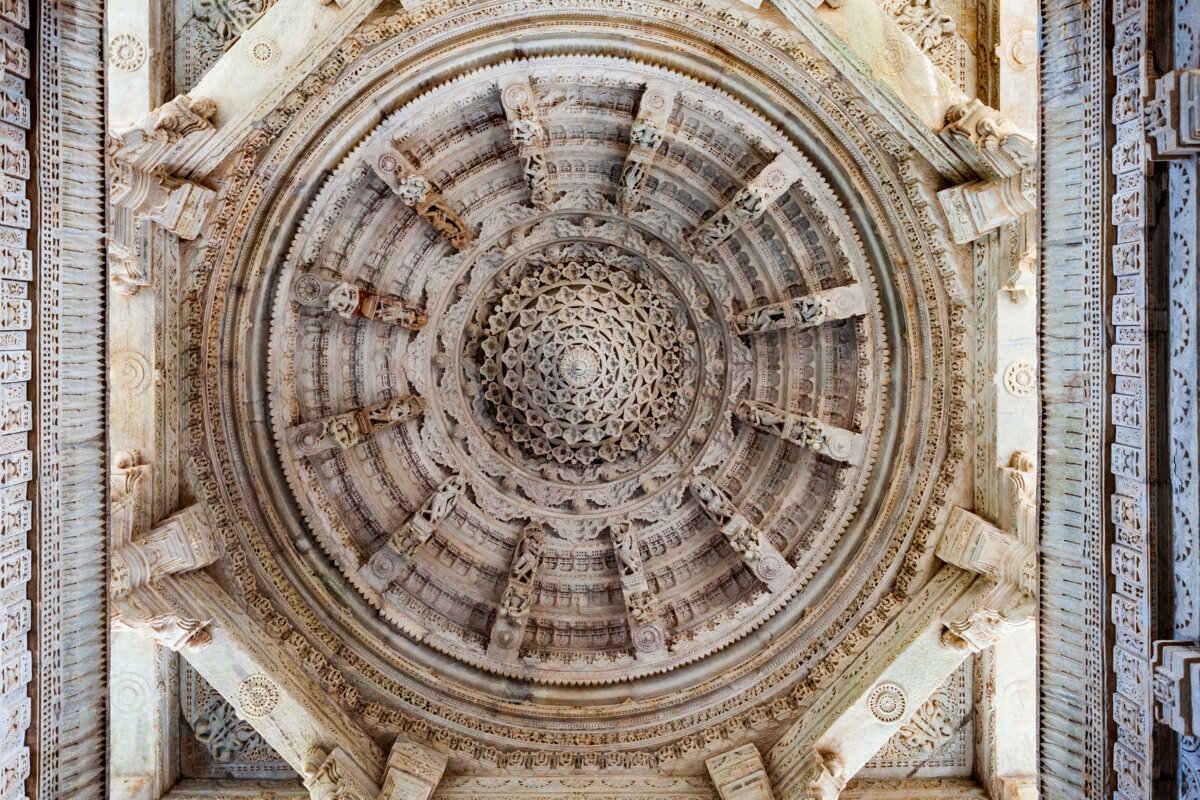
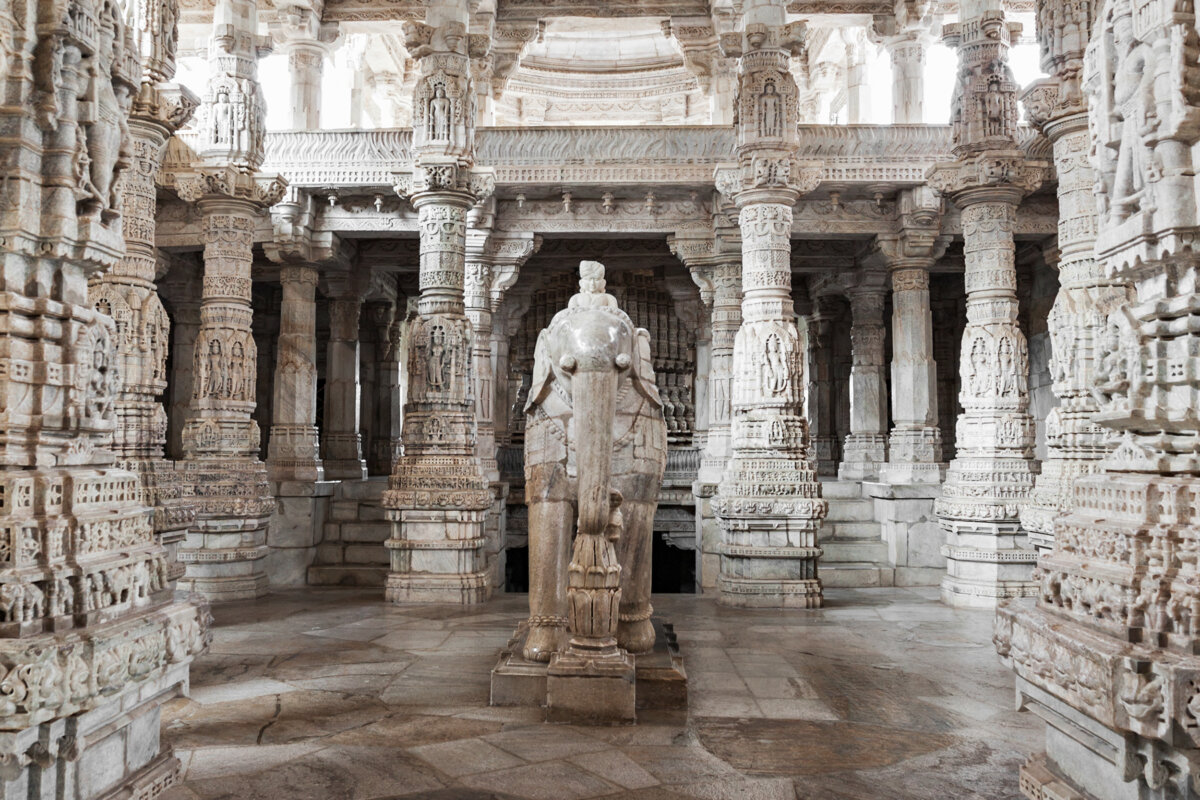
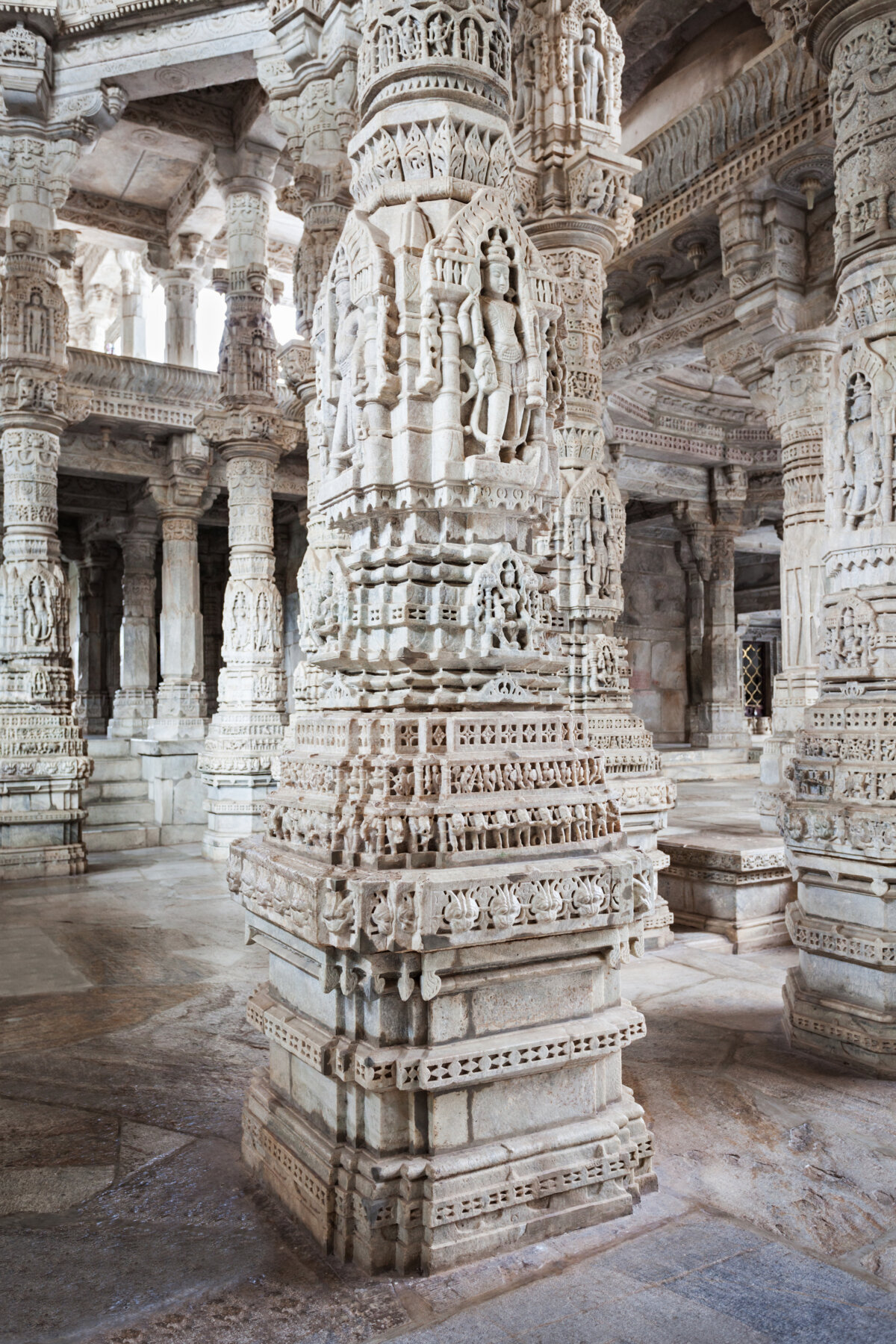
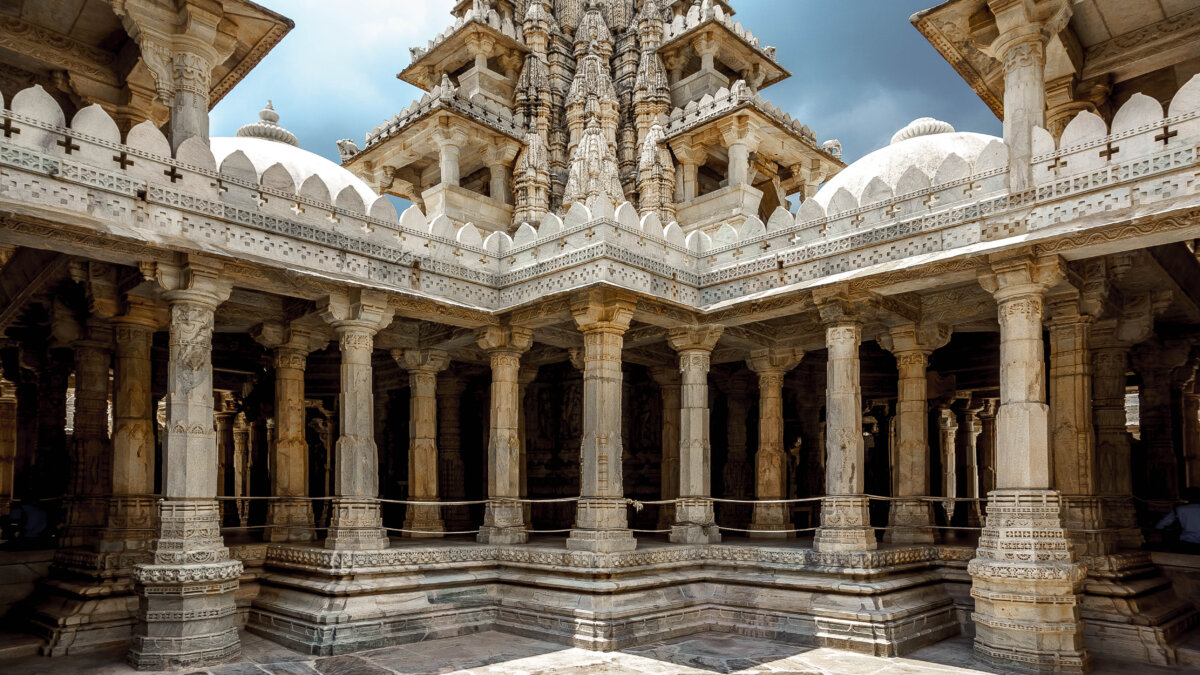
Depa, the temple’s architect, built it in the Maru-Gurjara style, renowned for its dense field of decorative marble carvings. Many Jain temples follow this style, which is often regarded as the pinnacle of the tradition. Built primarily of marble, the complex covers roughly 48,000 square feet and contains 29 halls, 80 domes, and 1,444 individually carved pillars. No two pillars are alike. Visitors often remark that the marble catches the light differently from every angle, so the interior is always shifting between brightness and shadow. The stone itself seems to change with the hour, glowing white in the morning and turning nearly blue by night.
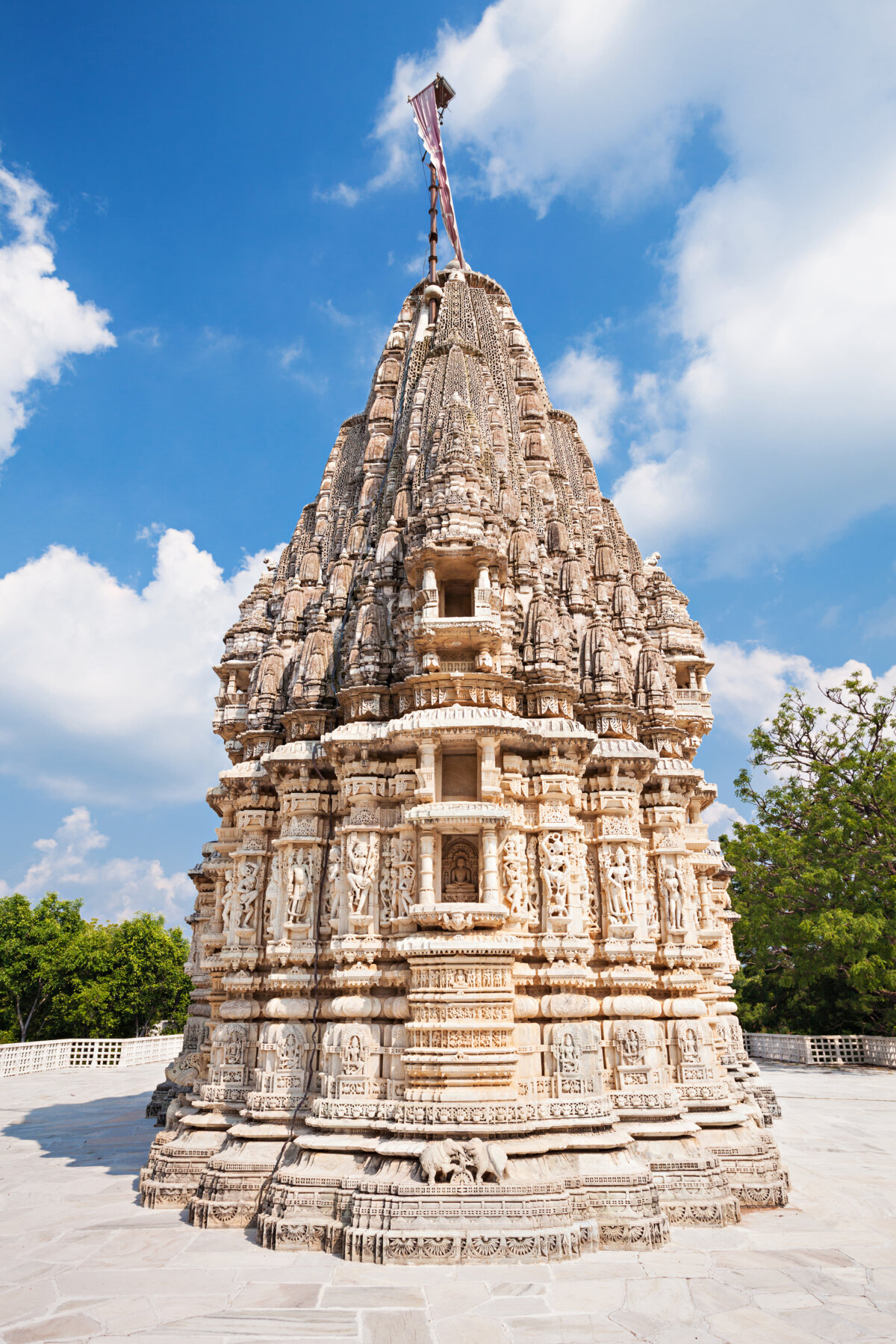
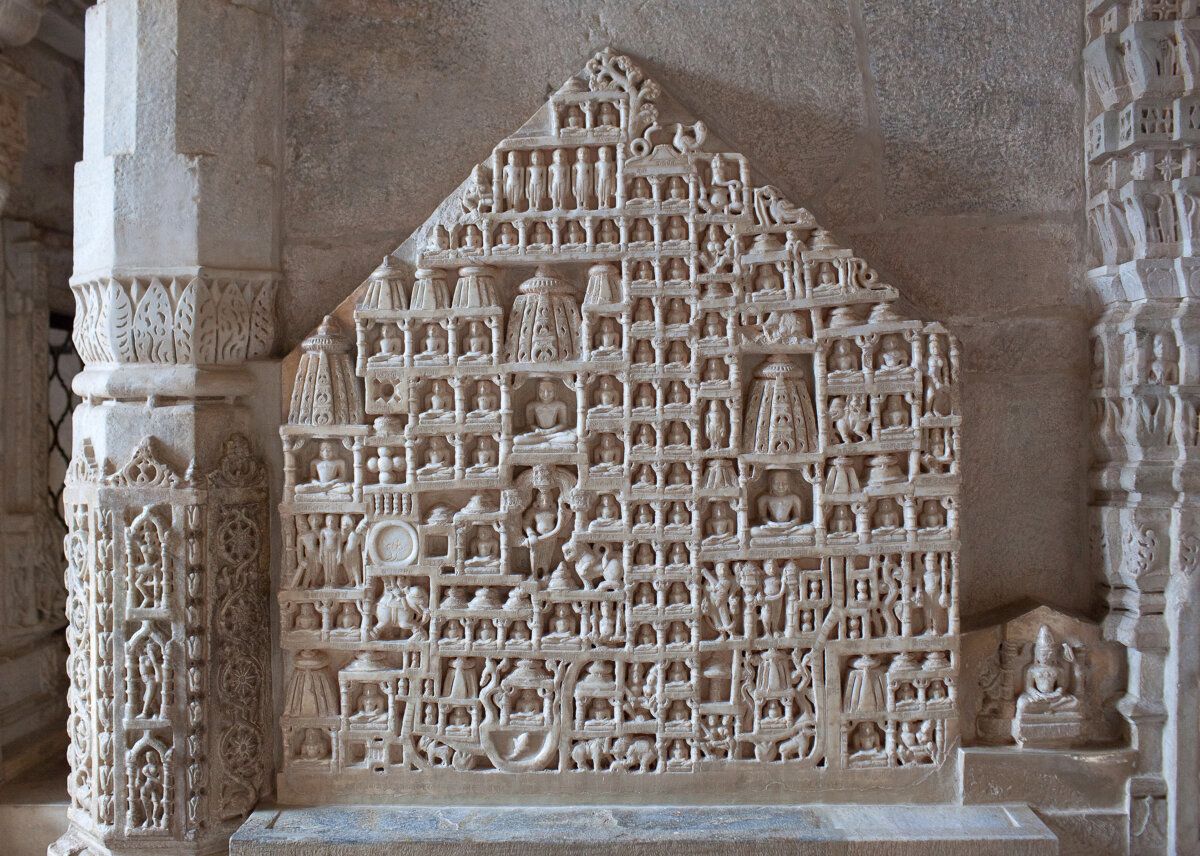
Among its most remarkable artistic features are the elaborate marble carvings that adorn its pillars, ceilings, walls, and domes. Much of the work is done in relief, a technique in which figures appear to rise from the background. Achieving this effect means chiseling away the surrounding material, a process that demands careful planning and considerable time.
The sculptures depict dancing figures, celestial beings, religious symbols, and scenes from Jain cosmology, reflecting a tradition that emphasizes nonviolence and originated in ancient India around the 6th century B.C. At the heart of the temple, the central sanctuary houses a six-foot-tall, four-faced marble image of Adinath. Five towering shikharas, or spires, crown the temple and represent Mount Meru, the sacred cosmic mountain, while the surrounding halls and shrines provide space for worship, meditation, and religious ceremonies. The larger complex also includes several smaller temples dedicated to other Jain figures.
Today, Ranakpur Temple remains an important pilgrimage destination for the Svetambara Jain community, one of Jainism’s two major traditions, which took shape in the early centuries. The temple is also a celebrated landmark of India’s architectural and cultural heritage. Managed by the Anandji Kalyanji Pedhi Trust, the complex continues to serve worshippers while welcoming visitors interested in its religious significance, artistic achievements, and remarkable craftsmanship.
The grounds also include pilgrim facilities, including a guesthouse and dining hall. Restored several times, including a major restoration in the early 20th century, the temple remains both a living place of worship and a lasting tribute to the dedication and skill of the craftsmen who realized Dharna Shah’s vision.
What arts and culture topics would you like us to cover? Please email ideas or feedback to features@epochtimes.nyc.