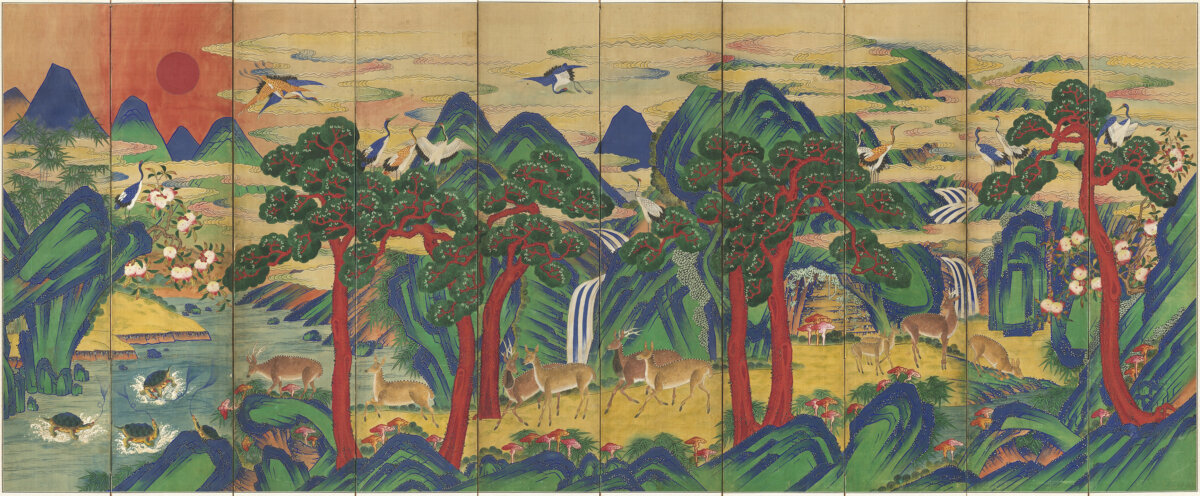
Samsung Group Chairman, the son of Samsung Electronics’s founder, Lee Kun-Hee (1942–2020), strove like his father to preserve Korea’s rich culture by acquiring one of the world’s most significant collections of Korean art. “Collecting and preserving cultural heritage is vital for the future of humanity. It is a universal obligation, one mandated by our times,” he said in 2004.
In 2021, Lee’s family fulfilled Kun-Hee’s bequest, donating 23,000 objects from his collection to Korea’s national museums. Starting in 2025, Seoul’s National Museum of Korea and National Museum of Modern and Contemporary Art partnered with international museums and loaned some of the Lee Kun-Hee collection for three special exhibitions: first at Washington D.C.’s Smithsonian National Gallery of Asian Art (NGAA), then at the Art Institute of Chicago (AIC), and now at London’s British Museum.
According to Samsung, a record 80,000 visitors viewed the NGAA exhibition, making it the gallery’s largest special exhibition for 10 years. The AIC exhibition also proved popular, with approximately 115,000 visitors.
The current “Korea” exhibition at the British Museum is the last and largest of the three unique exhibitions. It runs through Jan. 31, 2027.
Korea in London
Spanning some 2,000 years, from 300 B.C. to today, the exhibition presents over 180 ceramics, hanging scrolls, bronze implements, and Buddhist art and sculpture—with around six objects from the British Museum’s collection.
The loaned objects include 23 Korean national treasures (gukbo), items designated “outstanding historical, artistic or academic value,” or treasures (bomul), objects of “significant cultural value.”
Exhibition highlights include a 13th-century gourd-shaped celadon ewer and designated Korean national treasures such as a 14th-century Buddhist concertina book of the Flower Garland Sutra, and an 18th-century landscape painting, “Clearing After the Rain on Mount Inwang,” by Jeong Seon. Together, these highlights portray a tiny facet of Korea’s centuries-old rich culture.
Three Brilliant Highlights
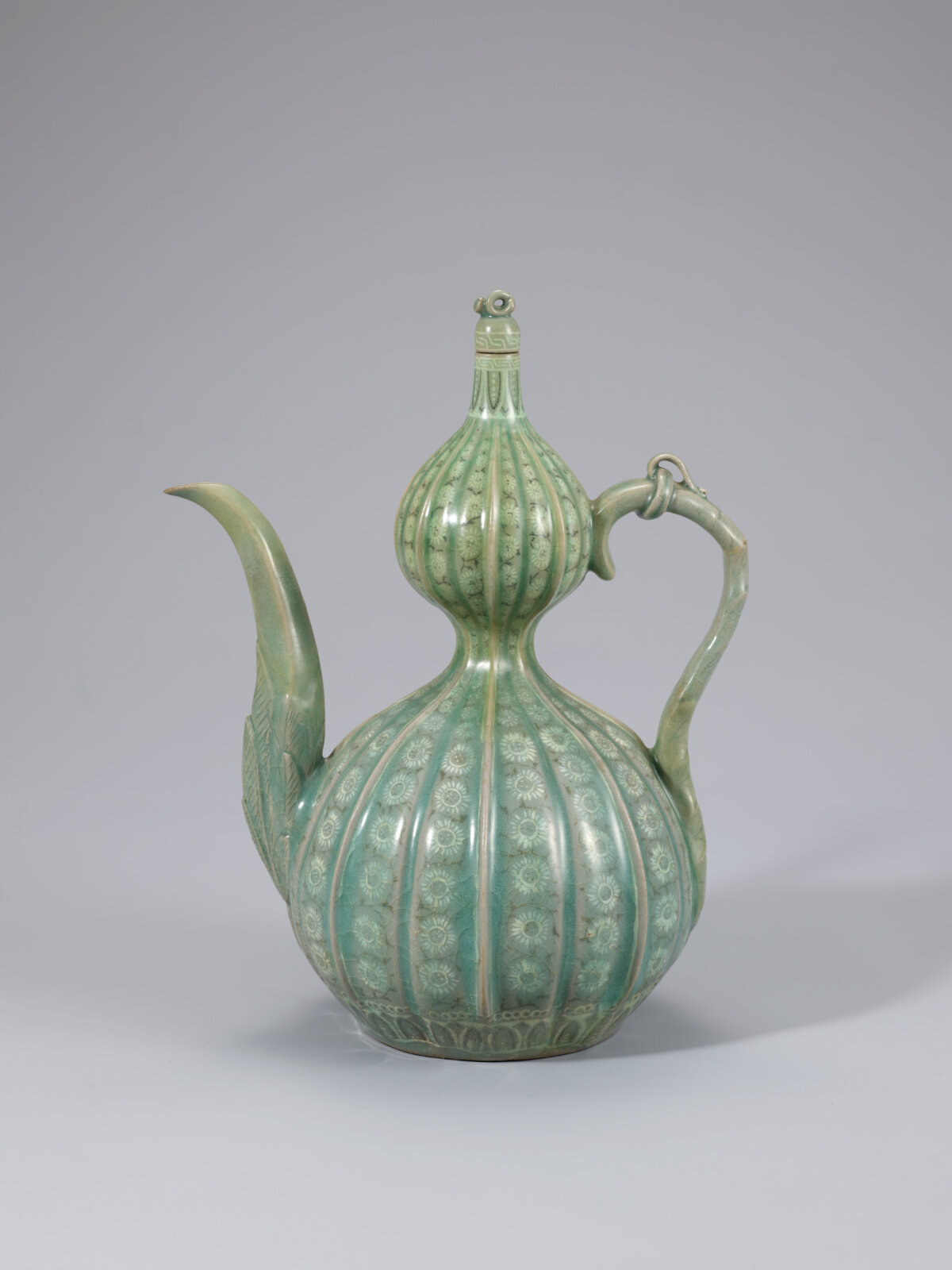
Korean potters adapted Chinese stoneware techniques to create the country’s famed Goryeo celadon, a blue-green ceramic with inlays of black or white slip, a clay slurry. In the exhibition, a 13th-century gourd-shaped ewer with chrysanthemum motifs epitomizes Goryeo celadon. The potter molded leaves around the base of the ewer’s spout, and inlaid delicate patterns and chrysanthemum bloom motifs across the body of the jade-like object. Koreans believed chrysanthemums symbolized longevity; the flowers have appeared on Goryeo celadon ware since the early 1100s.
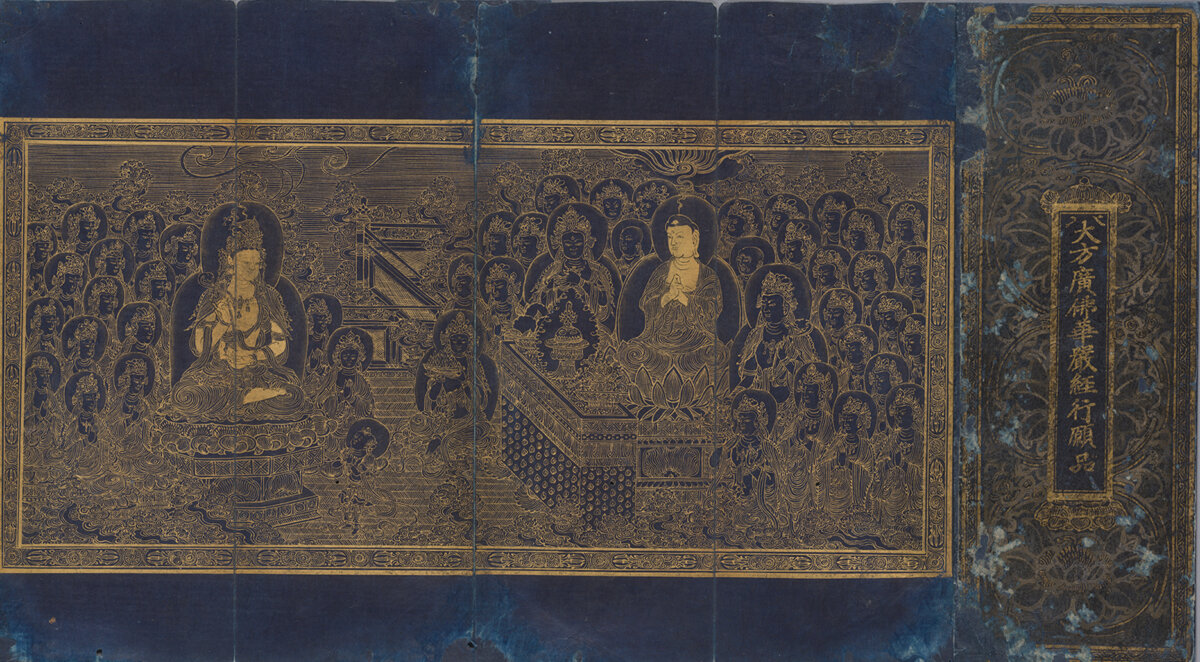
A private patron commissioned the sublime 14th-century retelling of the Flower Garland Sutra in gold on indigo-dyed paper. This part of the sutra details the trials and tribulations of a young pilgrim’s journey to enlightenment, and the 53 teachers who guided him along the way. This Korean national treasure shows the pilgrim Sudhana standing below his final teacher, bodhisattva Samantabhadra. On the right, the Cosmic Buddha, Vairocana, watches the pilgrim’s progress. Koreans believed the court painter who rendered this Buddhist text accumulated spiritual merit for executing the piece.
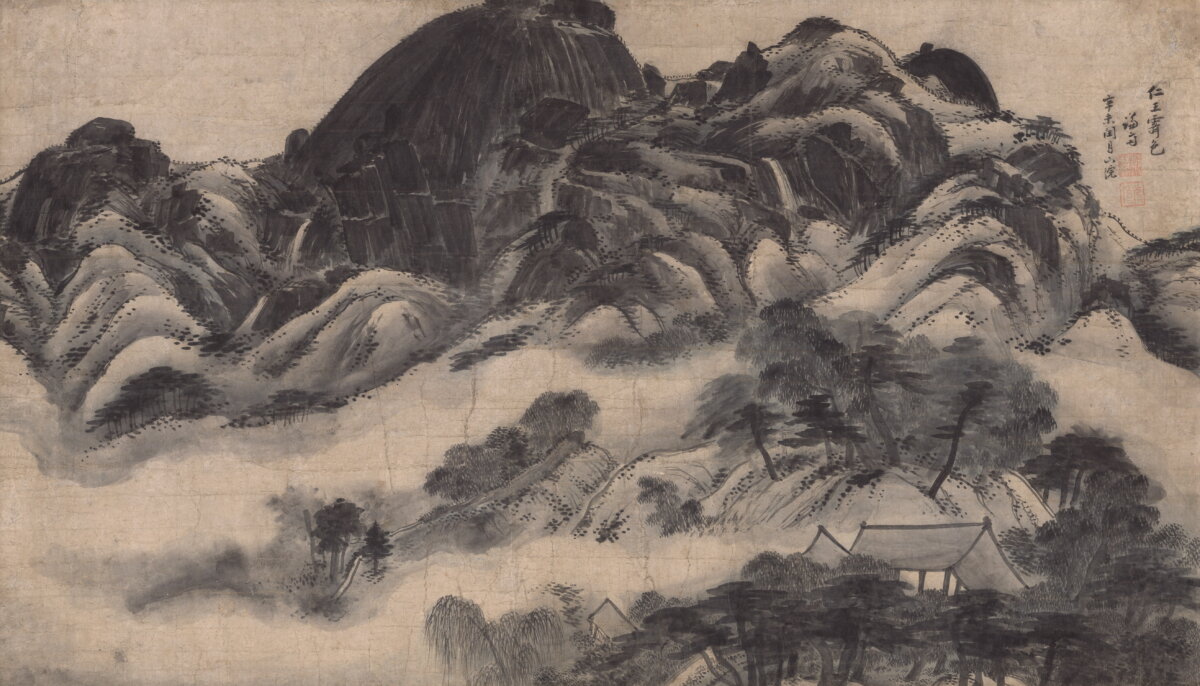
In the Korean national treasure “Clearing After Rain on Mount Inwang,” Joseon-period artist Jeong Seon (1676–1759) evoked Seoul’s ethereal, misty mountain in black ink. Jeong was around 75 when he beautifully rendered the ominous dark rain clouds moving across the mountain peaks, while also highlighting the rocky landscape. Jeong pioneered the art genre of “jingyeong sansu” or “true-view landscapes,” in which the artist captured the natural world rather than idealized landscapes.
Samsung Electronics Europe president and CEO Simon Sung said in a press release: “This exhibition offers a powerful connection to the roots of Korea’s cultural heritage.” Lee Kun-Hee treasured his heritage, leaving an art legacy for the Korean nation to share worldwide for humanity’s sake.
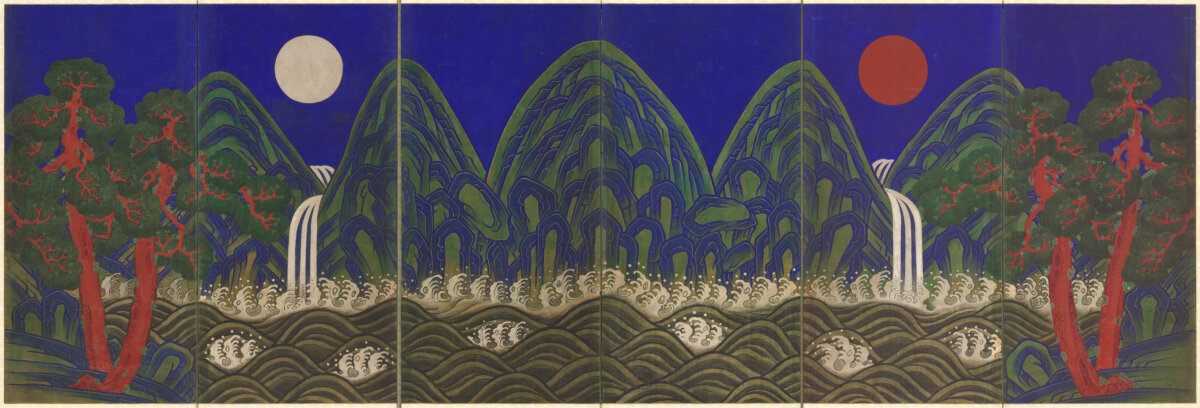
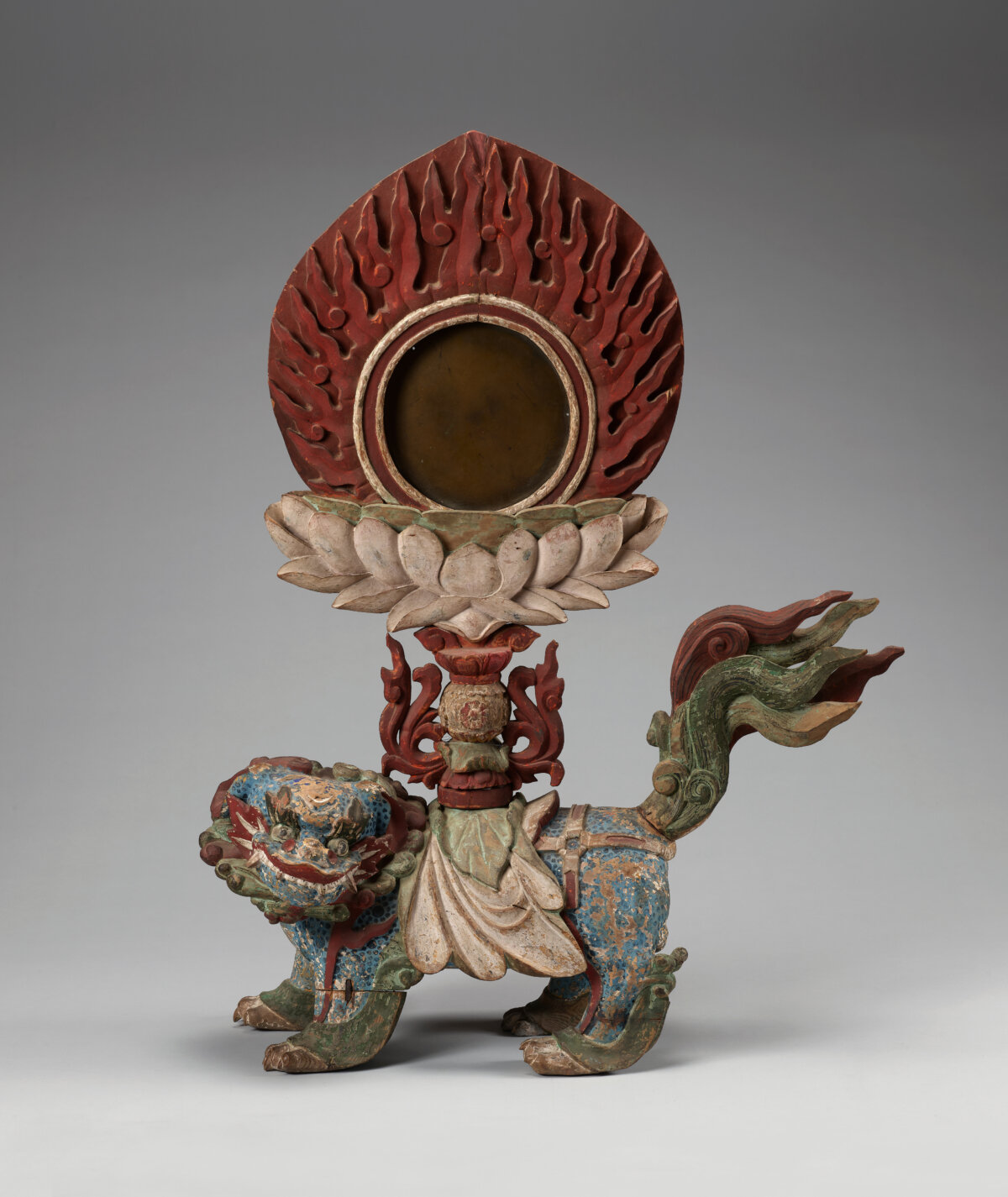
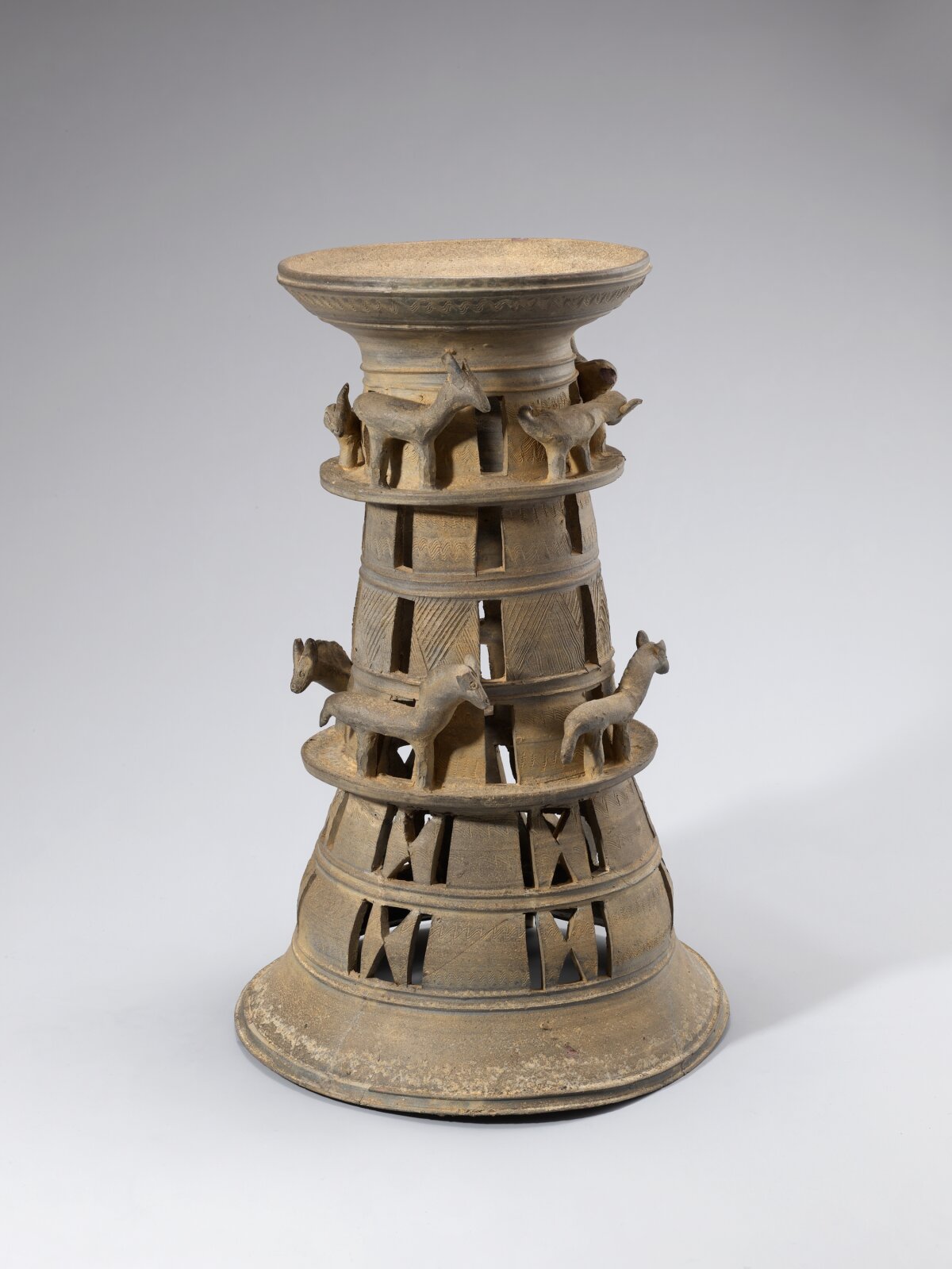
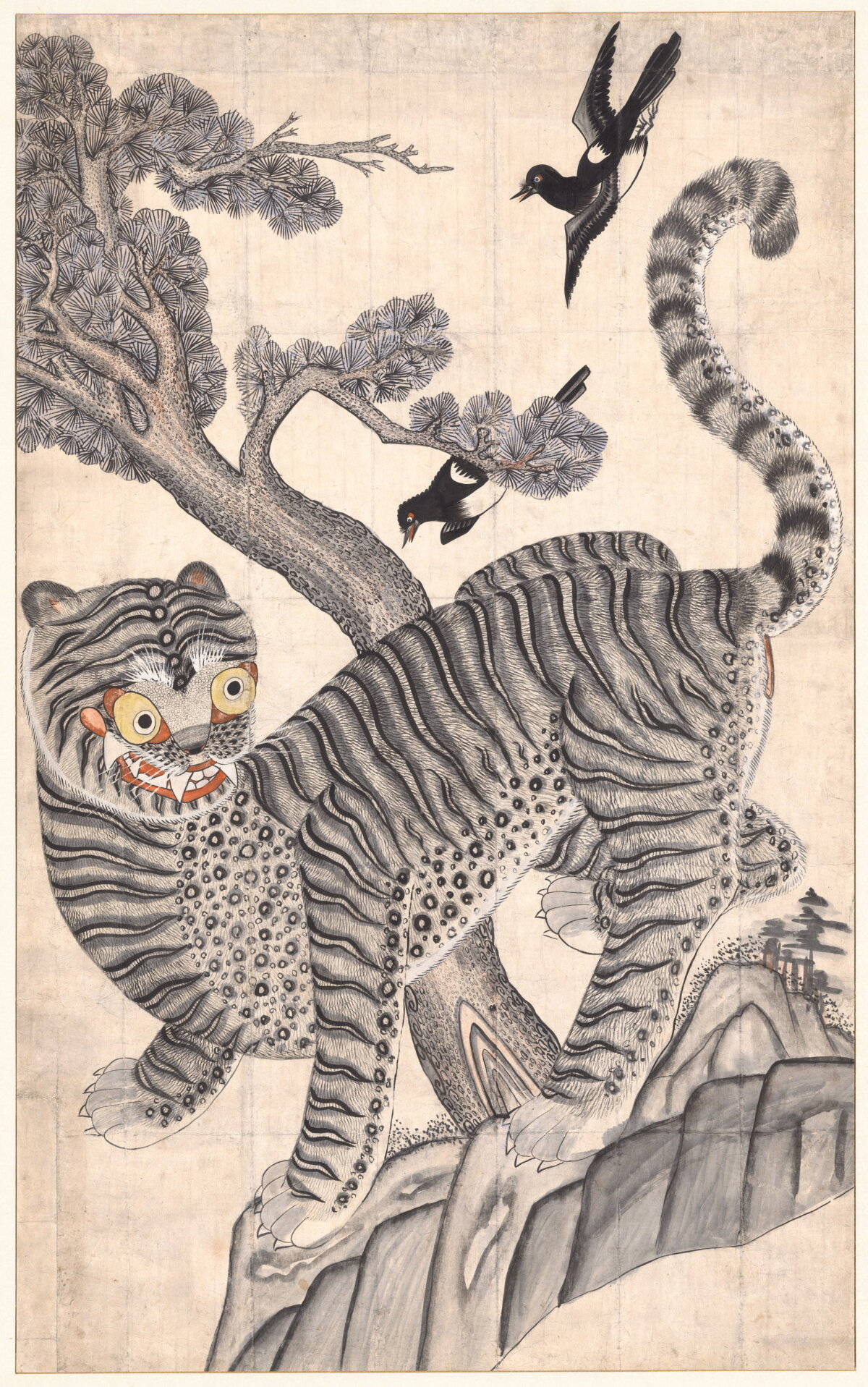
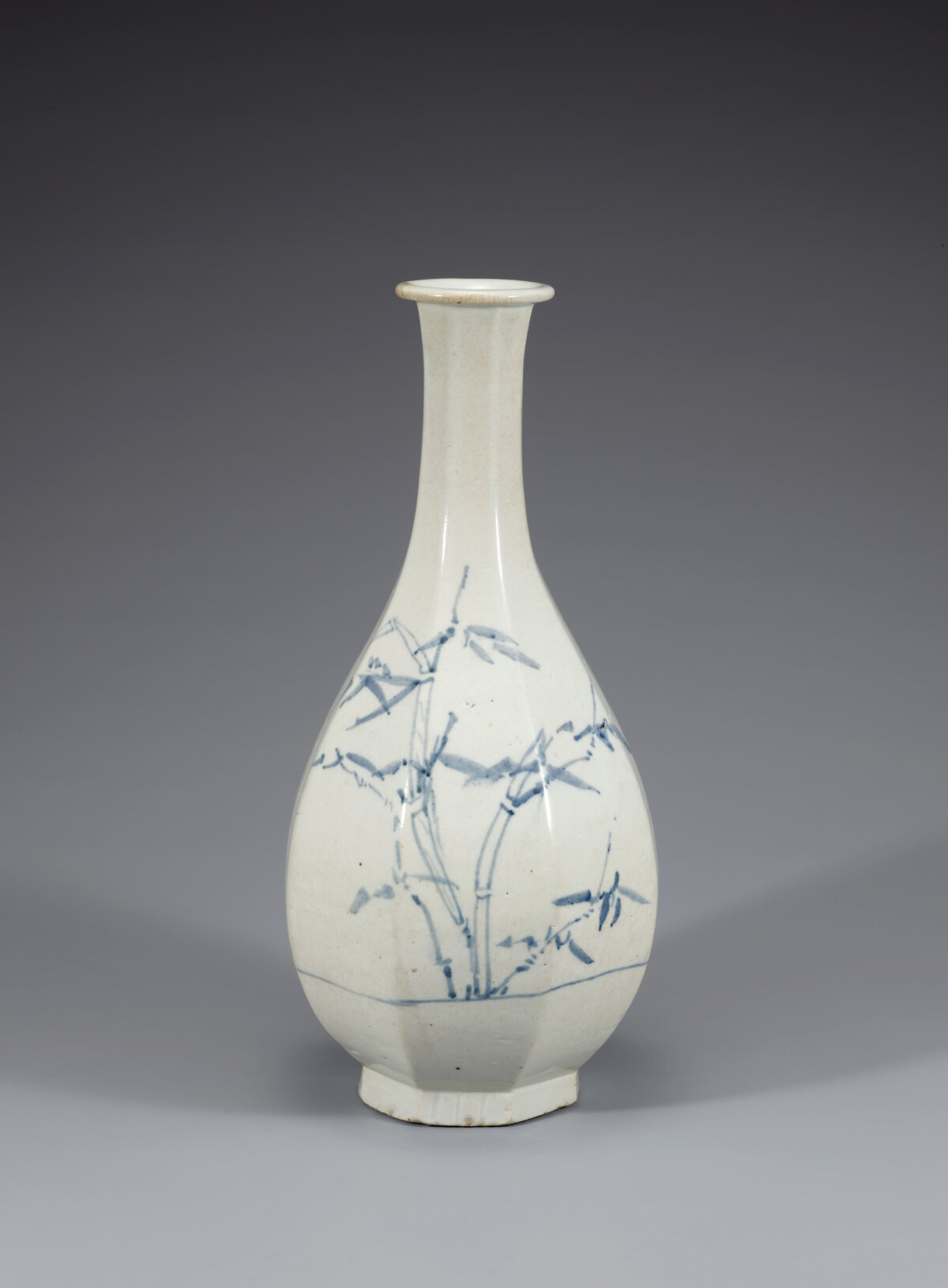
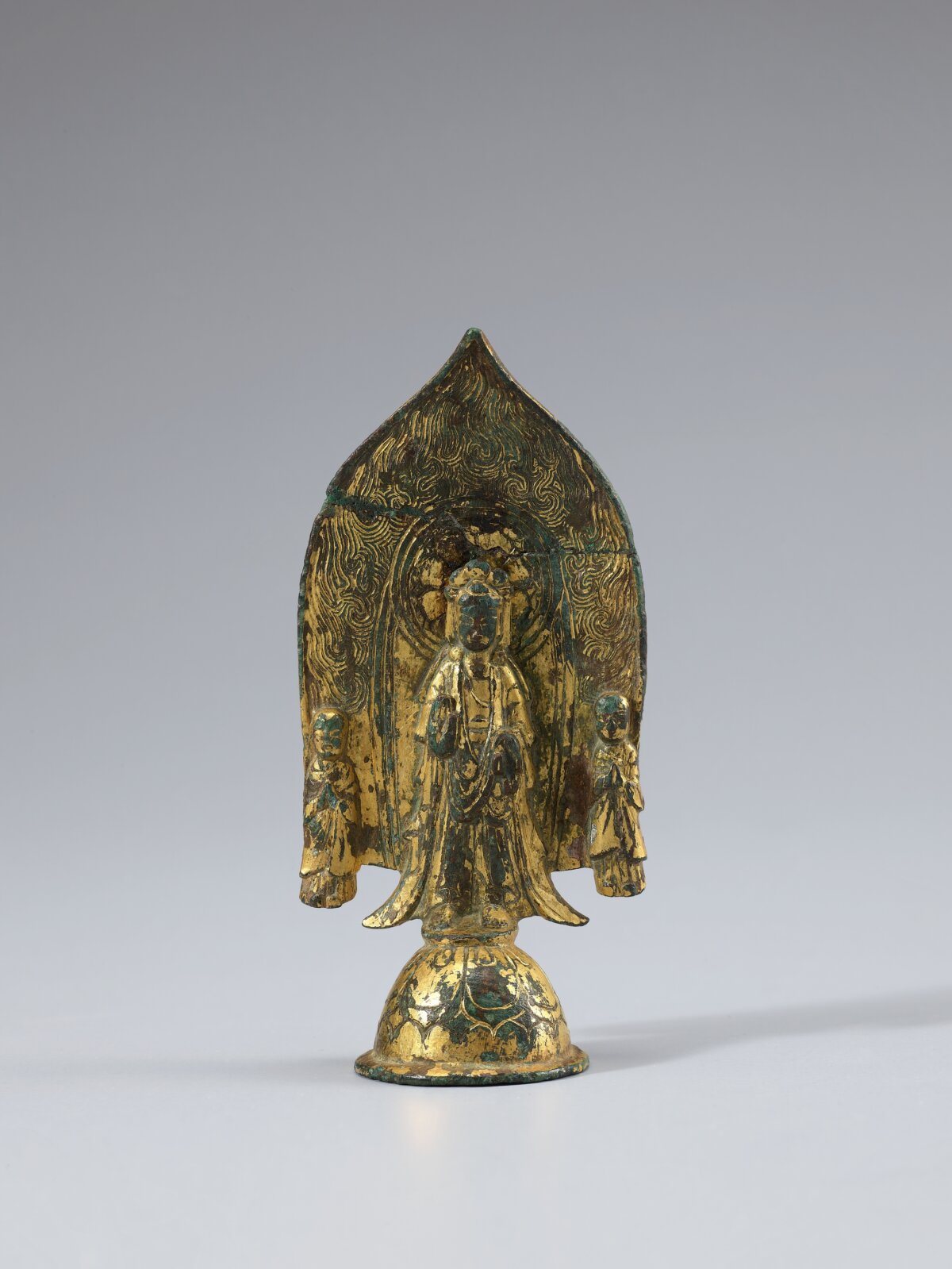
‘Korea’ at the British Museum in London runs through Jan. 31, 2027. Due to the fragility of some objects, there will be two exhibition rotations. To find out more, visit BritishMuseum.org.
What arts and culture topics would you like us to cover? Please email ideas or feedback to features@epochtimes.nyc.