Día de los Muertos, or the Day of the Dead, is a holiday devoted to honoring loved ones who have died. Rooted in the vibrant Indigenous traditions of pre-Columbian Mesoamerica and woven together over centuries with Spanish and Catholic influences, it is expressed through a rich and colorful visual language.
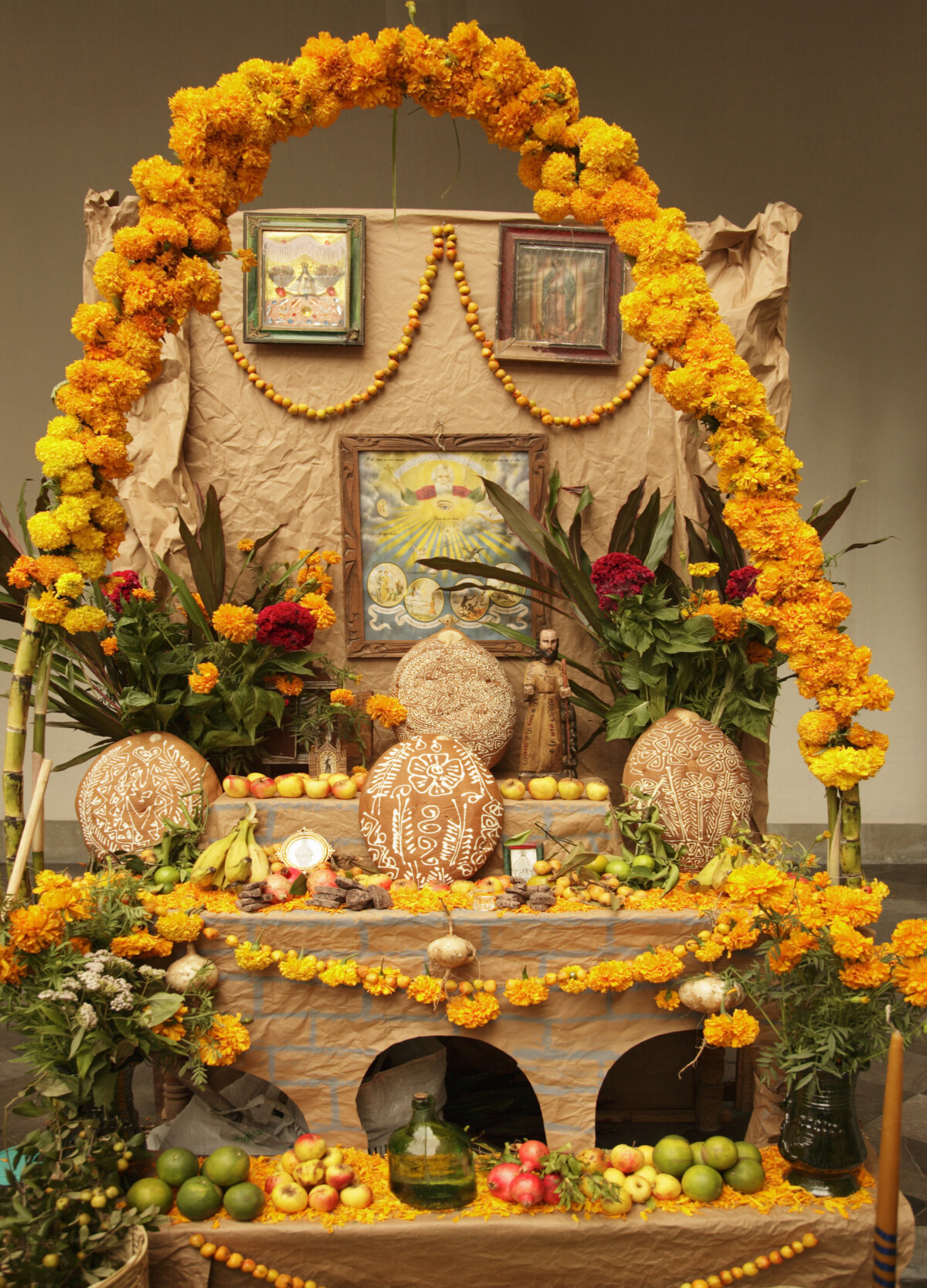
At the heart of the celebration is the “ofrenda,” an altar dedicated to family members and friends who have passed. Built around the tastes and belongings of the person it honors, each is part memorial, part artwork, and full of symbolism.
Lighting the Way
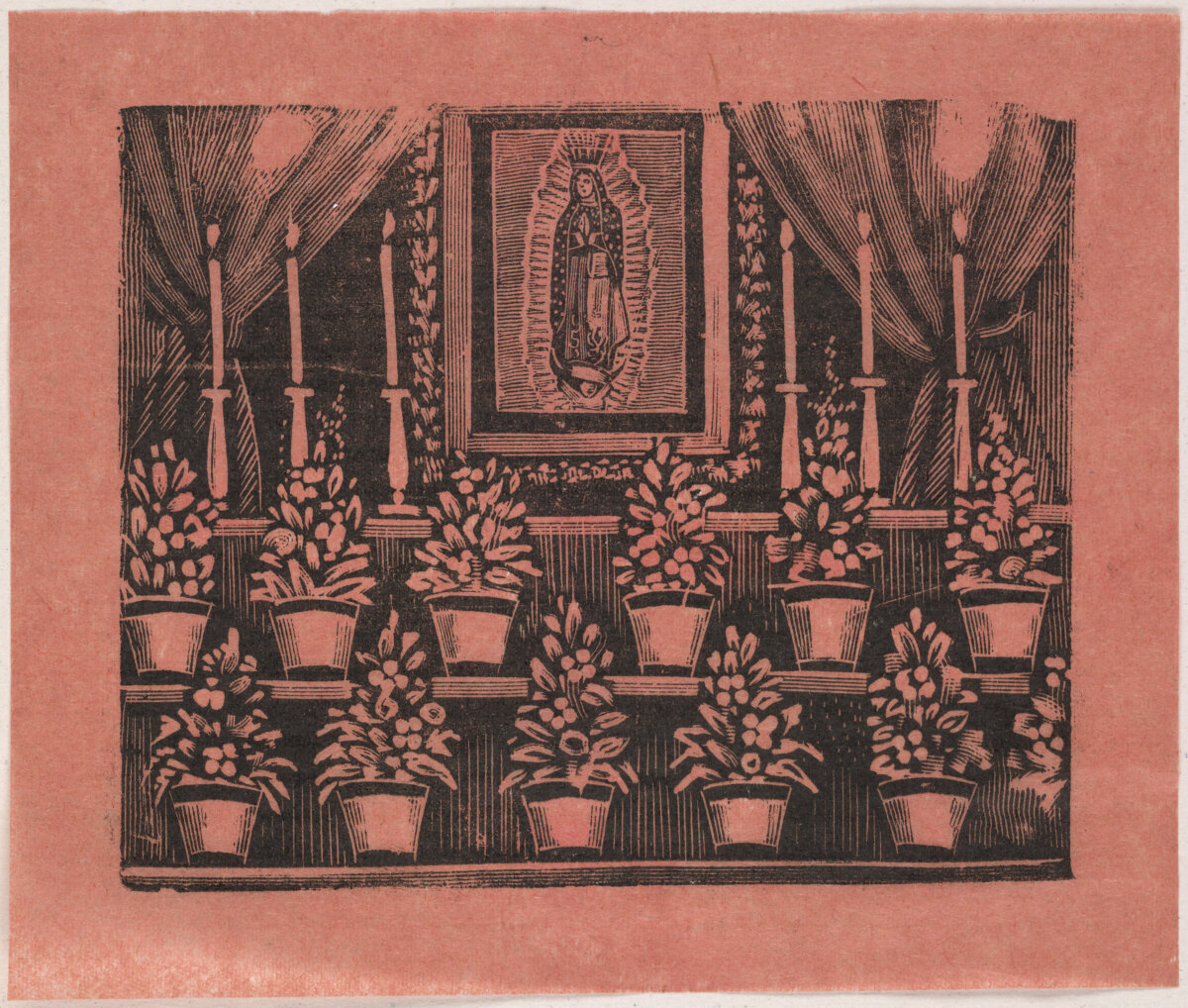
No two ofrendas are alike, though a few treasured elements appear on nearly all of them, including the glowing light of candles. Whether arranged in neat rows or scattered across the altar, their flames offer light to the spiritual world and the world of the living alike.
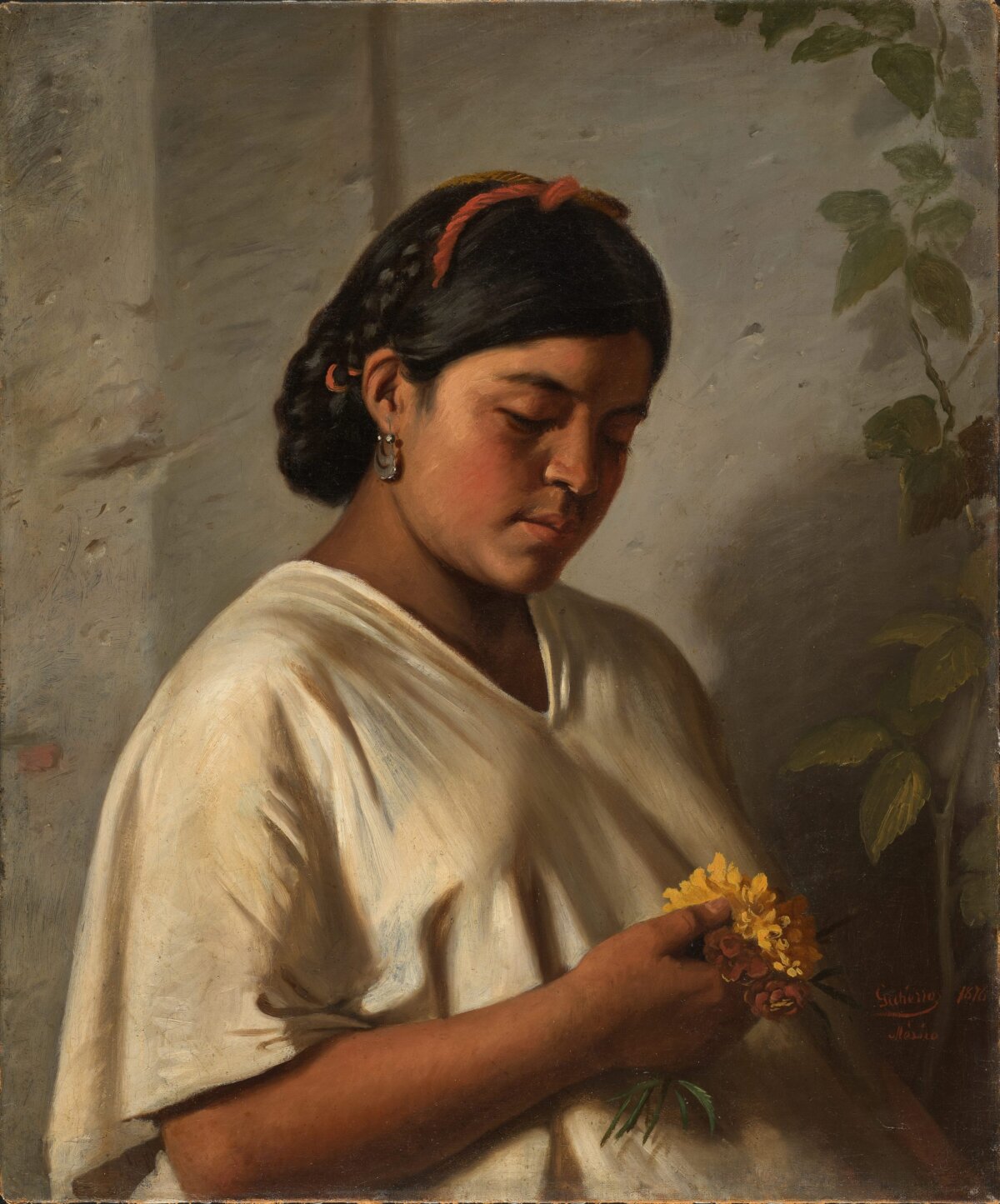
Equally beloved is “cempasúchil,” the bright orange and yellow marigold. Its use traces back to the Aztecs, who linked the flower to rituals honoring the dead and to Mictecacihuatl, the goddess known as the Lady of the Dead. Its short bloom reflects the preciousness of life, while its abundance fills the space with color and joy. From the pathways they line to the altars they adorn, marigolds form a dynamic bridge between the earthly world and that of the deceased.
Felipe Santiago Gutiérrez’s painting “Indigenous Woman With Marigolds” captures this meaning beautifully. The Los Angeles County Museum of Art, which holds the work, describes it as an allegorical portrait of a pregnant Indigenous woman, with the marigold weaving together new life and remembrance.
A Commemorative Feast
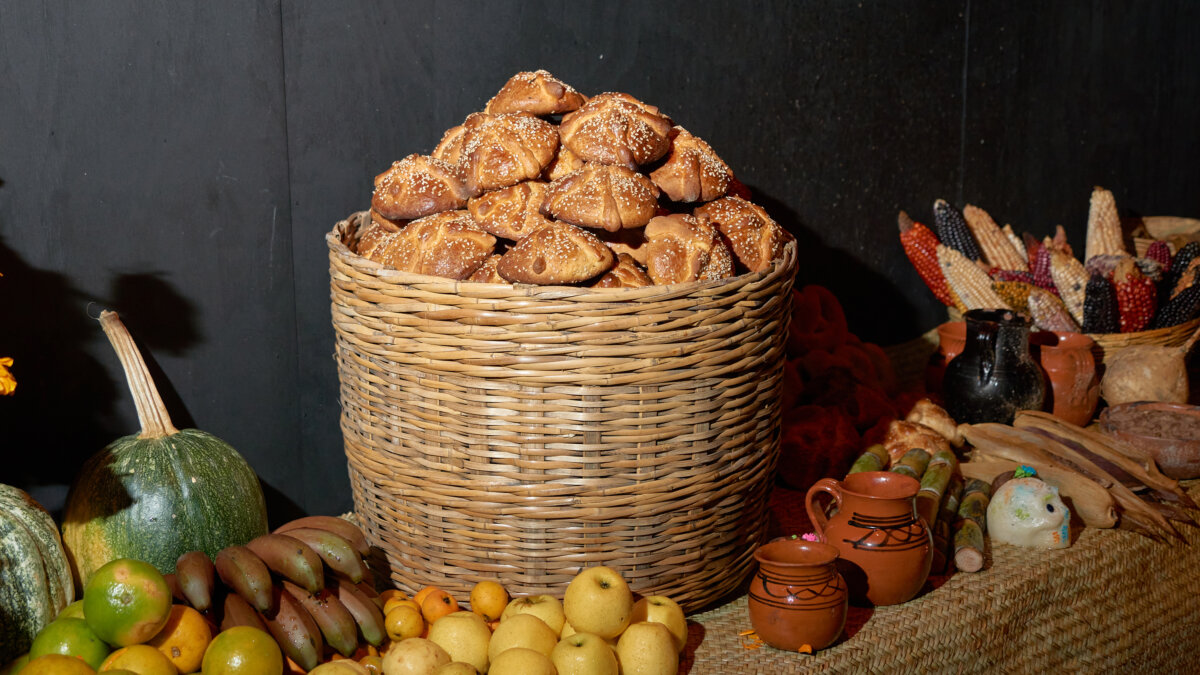
Food and drink are central to Día de los Muertos, and especially to the ofrenda. Water, usually presented in a glass or bowl, represents purification. Families often prepare the favorite meals of their departed relatives as an expression of love. Plates of fruit, corn, tortillas, and other dishes are often placed on the ofrenda.
Among the most beloved of these offerings is “pan de muerto,” or bread of the dead. This sweet, tender bread is flavored with orange blossom, orange zest, anise, and vanilla, then baked and finished with butter and sugar. Regional variations abound, from Oaxaca’s bread decorated with ceramic faces to Michoacán’s bone-shaped “pan de ánimas,” and Puebla’s red-tinted loaves, while modern versions may be filled with chocolate, cream cheese, or fruit. A dusting of white or red sugar is said to symbolize life’s sweetness and the comfort in the afterlife.
Each tribute, whether crafted from flowers, food, or photographs, is a heartfelt expression of love. Photographs are among the most intimate elements of an ofrenda, identifying those being honored and keeping familiar faces present at the family gathering. Personal belongings and keepsakes evoke their character, interests, and place in the household. Together, these objects turn the altar into a center of personal relationships and private memories, serving as both a sculptural arrangement and a ritual space.
Observed in November alongside the Catholic feasts of All Saints’ Day and All Souls’ Day, Día De Los Muertos varies across families and communities. Today, it is celebrated around the world, creating space for grief and joy to coexist.
What arts and culture topics would you like us to cover? Please email ideas or feedback to features@epochtimes.nyc.