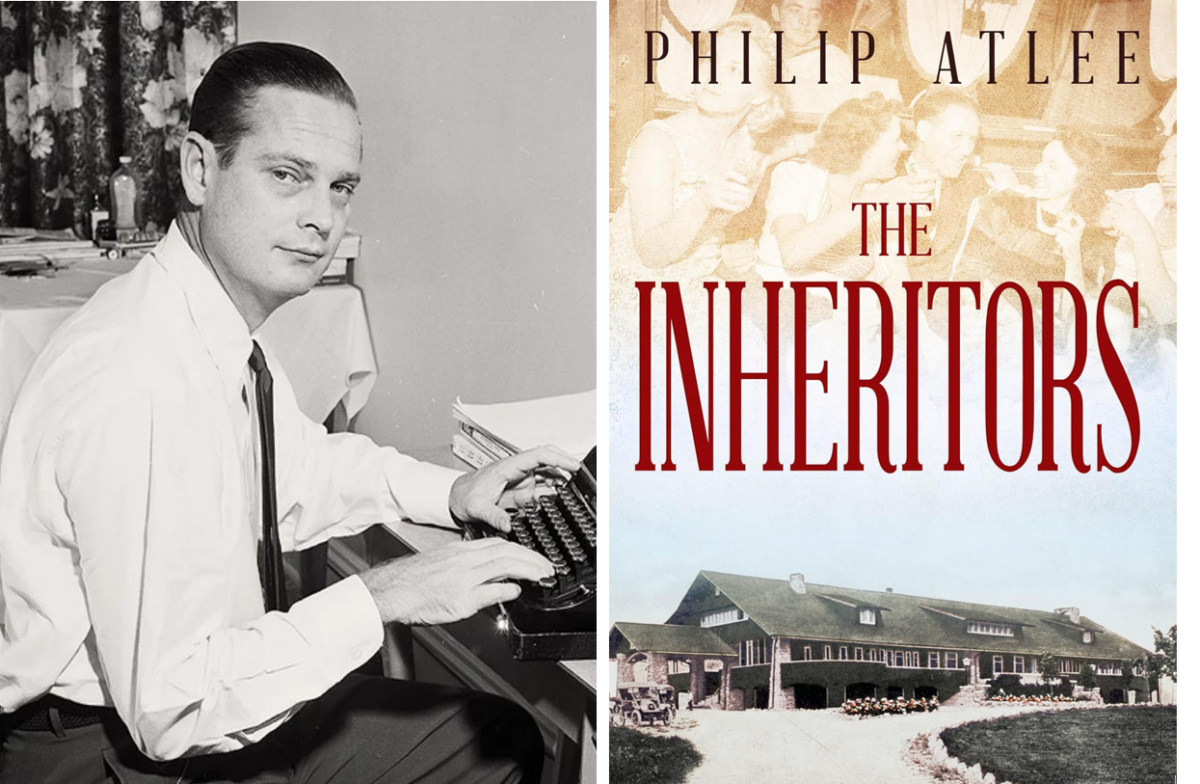
In 1940, book reviewers lavished effusive praise on “The Inheritors,” a debut novel by Philip Atlee, a 25-year-old writer from Fort Worth, Texas. Atlee, the pen name of James Atlee Phillips, saw his writing compared to the works of Ernest Hemingway and F. Scott Fitzgerald.
Three years later, a portion of “The Inheritors” was excerpted in “Roundup Time: A Collection of Southwestern Writing.” In that anthology, Atlee’s work appeared alongside the writing of John Steinbeck, Katherine Anne Porter, and O. Henry.
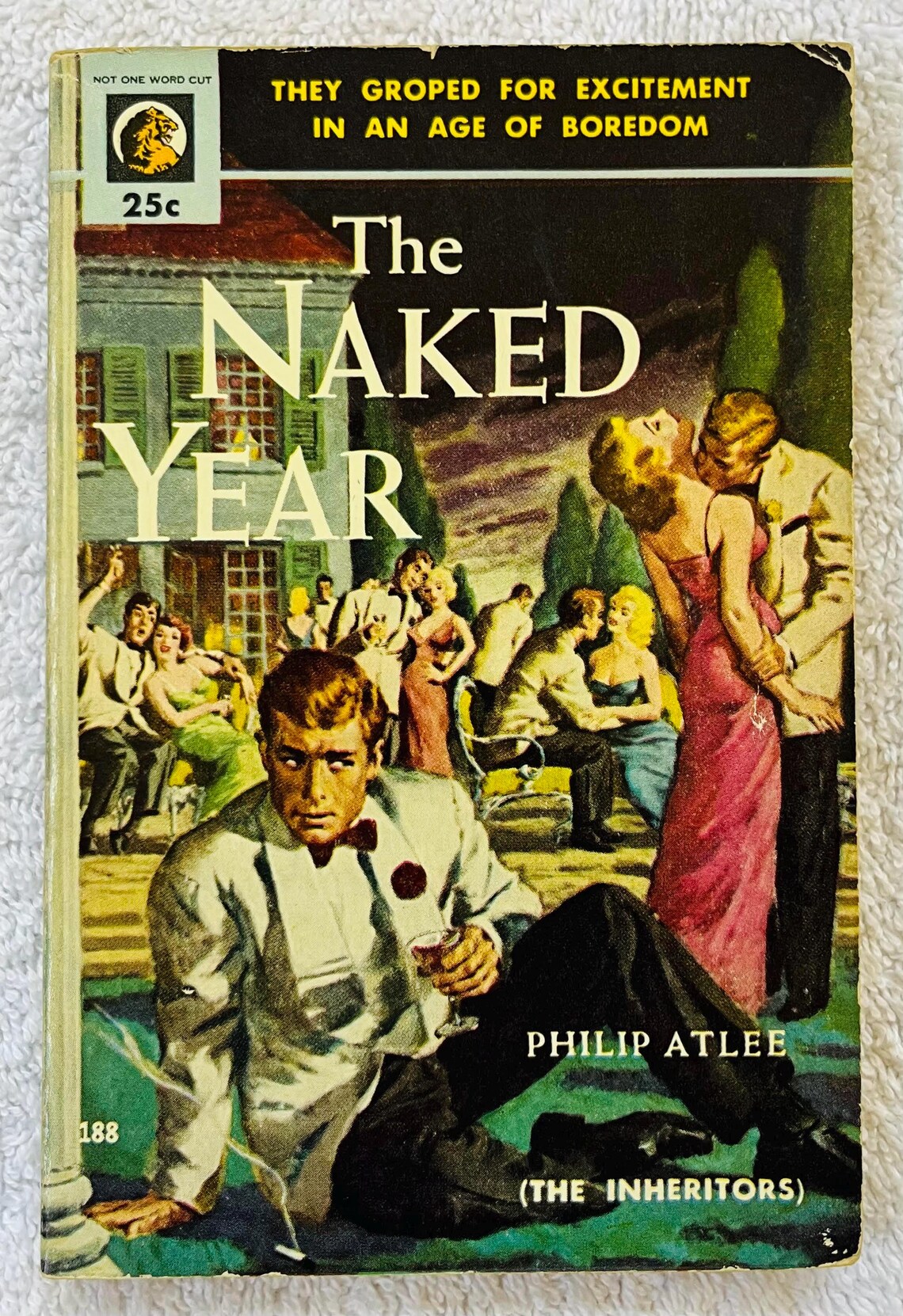
But the book-buying public was not enthusiastic about “The Inheritors,” and it failed to become a best-seller. A 1954 paperback reissue under the lurid title “The Naked Year” also failed to connect with readers.
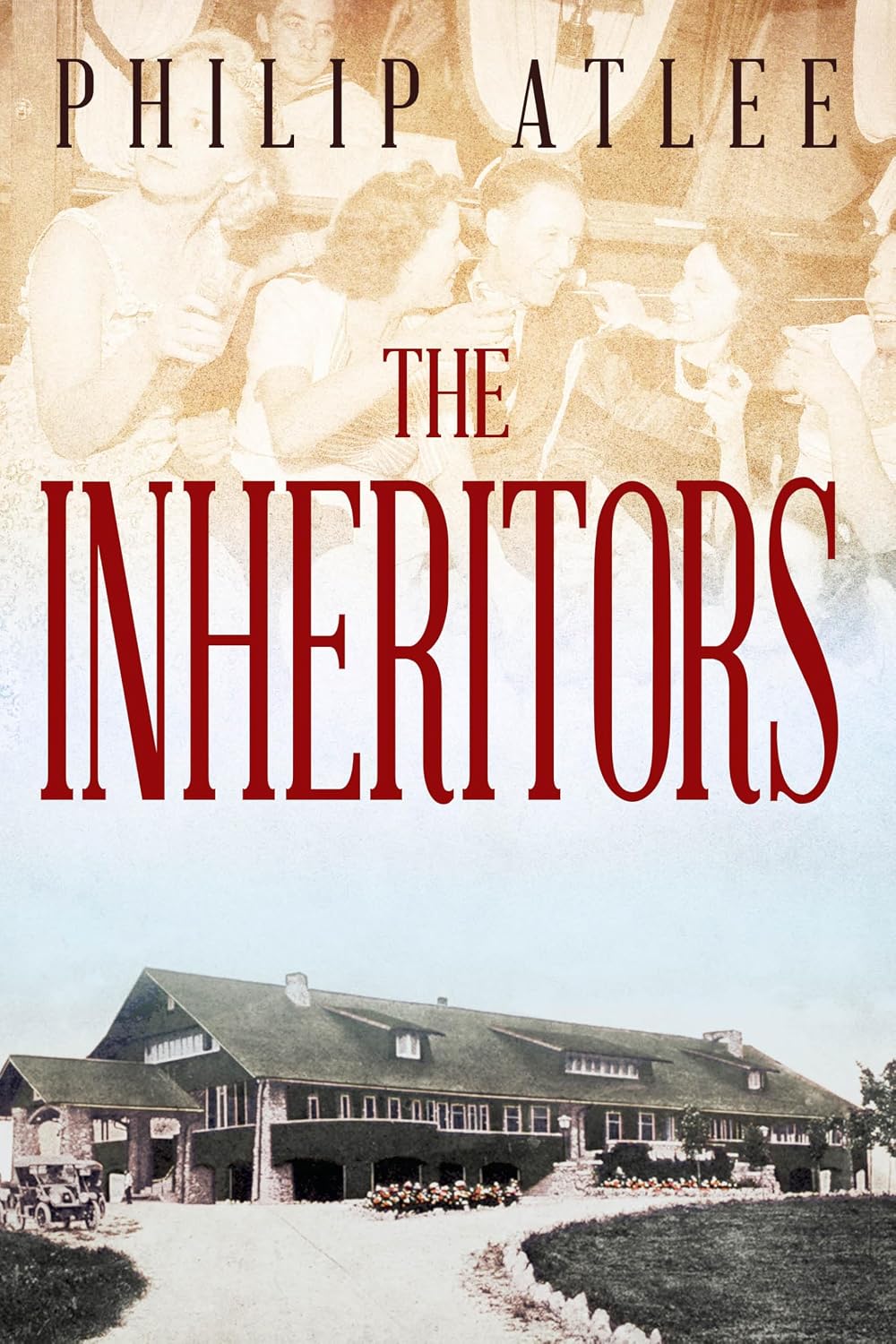
Now, eight decades after it went out of print, “The Inheritors” has been reissued. In visiting Atlee’s work today, the obvious question is whether the critics got it right in putting Atlee in the same category as the likes of Hemingway and Fitzgerald.
Spoiled and Reckless
“The Inheritors” is set in 1935 and focuses on two Fort Worth men in their early twenties. The narrator is George Bellamy Jimble III, and his best friend and partner in mayhem is Cavin Jarvis. Both are scions of the city’s “dollar aristocracy,” made up of families that went from meager backgrounds to sudden fortunes in the oil and cattle industries.
Born with the proverbial silver spoons firmly in their mouths, the men have not experienced the deprivations of Depression-era America. They bask in a world of country-club leisure while mostly absent parents are willing to cover all of their expenses. Jimble interacts more with the family’s black housekeeper than with his father and mother, while Jarvis views those outside of their social circle as “peasants.”
Jimble and Jarvis run a small office where they sell Mirrolites, which are oversized reflective numbers attached to home exteriors that light up in the dark when illuminated by automobile headlights. It is not a very serious business, and they only solicit sales when they are bored. The office serves double-duty as a clubhouse where their lazy friends gather, and the profits from this enterprise go toward buying large quantities of alcohol.
Drinking is a major preoccupation in “The Inheritors,” and the book opens with Jimble awakening in the office after walking away from a car crash that he created while driving drunk. In addition to public drunkenness, Jimble and his comrades get involved in reckless incidents that include sexual assault, embezzlement, arson, and an illegal abortion. Sometimes they have to answer for their actions, but mostly their families dispatch lawyers to settle damages.
Pluses and Minuses
To its credit, the book works as a dark commentary on idle young men and women who believe their family wealth lets them avoid responsibility. Jimble and Jarvis are smug and self-entitled, while their friends are mostly cheerful dunderheads who tag along for laughs and drinks.
Atlee is expert at caustic observations, especially when targeting the too-wealthy members of the country club. He writes with acerbic glee about newly enriched but intellectually dull Texans who used their money to buy large homes decorated with artwork they don’t understand while lining their bookcases with expensive volumes that only get touched by a maid’s feather duster.
But the author also has a sensitive side. The two chapters devoted to Jimble’s arranging for his lover to see a San Antonio doctor who will terminate her unwanted pregnancy are a jolting work of emotional maturity; it was also quite daring for a book in 1940. If those chapters had been released separately as a standalone, it would have become a classic of the short story genre.
Unfortunately, too much of “The Inheritors” feels like an ambitious first draft rather than a polished finished work. Vigorous editing could have scrubbed out some of the book’s structural issues, especially the surplus number of poorly defined minor characters who exist solely to be the butt of Jimble’s wisecracks.
Two chapters involving the destructive juvenile antics by the characters could have been dropped without disrupting the narrative.
If most Americans didn’t notice “The Inheritors” when it was published, the upper-class society in Fort Worth was more than aware of the book and found Atlee’s depiction of their world scandalous. The city’s elites reportedly bought up and destroyed as many copies of the book as they could find. Even the author’s mother was aghast at the work, creating a family split that was never healed.
Atlee went on to a successful career as a detective novelist. But his debut book fell into such deep obscurity that newspaper obituaries following his death in 1991 omitted its title when citing his literary output.
While “The Inheritors” is not a classic of the Hemingway or Fitzgerald schools, it is an interesting piece of 1940s fiction that showed evidence of the author’s promise. The book’s return to print is welcome. Perhaps other long-lost works by Atlee including “The Case of the Shivering Chorus Girl” (1942) and “Suitable for Framing” (1949), can also be located and republished.
‘The Inheritors’
By Philip Atlee
TCU Press: Sept. 15, 2026
Paperback, 208 pages
What arts and culture topics would you like us to cover? Please email ideas or feedback to features@epochtimes.nyc