



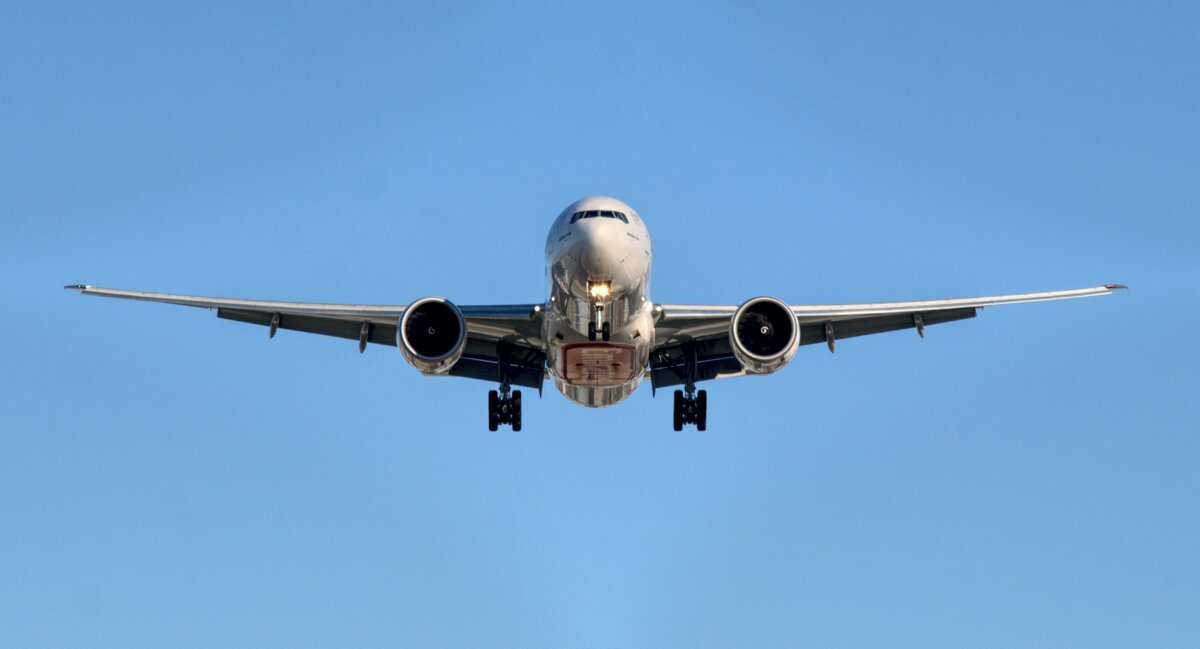
Imagine being able to speak with someone from a couple centuries ago, and explaining modern commercial flight. To tell them that, for many of us, it’s now routine to stride aboard a winged machine and quickly climb to 38,000 feet in the air. We then let that jet plane propel us forward through (literally) thin air, at over 500 miles per hour.
Add in: We can cross oceans and connect continents in a matter of hours. For most of human history, of course, these were feats that took months, if not years. The explorers who embarked on the trips never fully expected to return home with their lives. Now, we work a little on our laptops using the onboard Internet, maybe watch a movie, take a nap—and we’re there.
Modern flight really is a miracle. But for many practical reasons, it’s become riddled with miseries. I’ve flown millions of miles on dozens of airlines and discovered a few things along the way to make flying, in all its simultaneous glory and pain, a little more fun. (Or, at the very least, more comfortable.) Here are a few tips.
Whatever You Do: Get Into the Lounge
Of course, many of the frustrations we experience along the way happen before we set foot on the aircraft. That’s because airports, especially in North America, seem almost purpose-built to make an already anxiety-ridden day even more stressful. You know what I’m talking about: queue after queue for everything. Cranky security people and check-in agents, who, after all, have the misfortune of working in this milieu all day long. Even the general environment, the harsh lights and low, constant roar of sound, seems engineered to wear on the nerves.
It helps so much to escape to one of the sanctuaries built right into the terminals. Being able to sink into a cushy seat, in a quiet environment, perhaps with a nice glass of Pinot in hand. It’s a pleasure beyond measure to leave your bags for a moment and use the restroom without fear they’ll be stolen or, worse, confiscated.
These VIP lounges were once the redoubt of the rich, reserved for business class travelers and a small handful of others. But that’s no longer the case. Airline frequent flyer status usually gets you in the door. Check your credit card benefits, which may include access, or even a limited number of entries. When all else fails, find a lounge where you can pay for a pass. Trust me, that $50 (or whatever) is well worth it.
Be Nice
This one is simple and won’t cost you a penny. No matter how ticked-off you feel, take a deep breath and smile. This is especially true when dealing with airline staff, who get a constant parade of grumps confronting them all day long.
If I’m asking for something a little extra, say, a seat change, or a chance to upgrade to a better cabin of service, I’ll usually start with a polite, “excuse me, do you have an extra moment?” They really don’t, so I’ll follow that quickly by saying that I know they’re busy, and it’s maybe not really their job, but could they check on this one thing?
While they may occasionally act like robots, airline workers are of course human, and we all value feeling acknowledged and appreciated. If it helps get an answer (or a nicer seat), that’s all the better.
Be Prepared
Flights, especially long journeys, require a bit of prep. In the days leading up to your trip, think through the various steps that will take you from departure to arrival. For parents, that might mean packing toys and snacks for the kids.
One small example from my personal experience: I have a small, extra leather pouch that I place, easy to access, within my carry-on. It includes, among other things, everything I might need while in the air.
In it is any medication I may need to take, a sleep mask, and two sets of headphones—one for podcasts on my phone, and separate ones to plug into the in-flight entertainment system. Just not needing to rummage for this stuff in a crowded cabin (or worse, go without them) makes the whole trip that much simpler.
Have a Plan for Your Jet Lag
Let’s loop back to that guy from 200 years ago, the one you were telling about the intricacies of modern air travel. He won’t even understand jet lag. And the truth is: our bodies don’t, either. Because, over the vast span of human development it was never a possibility to go this far, this fast.
Even if the logical part of our brain can comprehend that it’s midnight in New York City but 2 p.m. in Tokyo, the ancient mechanisms take longer to sync. So be prepared to feel sleepy (and hungry) at odd hours, and to awake (ravenous) in the middle of the night. I always pack a couple little shelf-stable snacks in my suitcase, for those middle-of-the-night surprise mini-meals. In general, try to avoid napping once you landed, and use 10 p.m. as a general rule. That is: Staying awake until 10 p.m. today will make adjusting to tomorrow easier.
Make Up Your Mind to Just Roll With It
This might just be the hardest one. We work long hours to earn our precious vacations, and if the trip is to visit with beloved family members, any delay or cancellation is even more difficult. But here’s the reality: If you travel enough, these things will happen.
Expect that delays and cancellations are a possibility and check out the options for making the most out of any disruption. If you have a minor, or even significant delay, seek out cool things to do, or eat, or drink at the airport. Yes, these exist. Some terminals have local aviation museums or and playgrounds for families with kids. Most will showcase local food and beer at good restaurants.
If the absolute worst happens—your connecting flight is canceled and rescheduled en route—try and make an adventure out of it. I once had a flight through Philadelphia where the connection was moved to the next day. I quickly booked a hotel room downtown, then visited the Rocky statue at the top of the steps at the art museum, saw the Liberty Bell, and grabbed a cheesesteak. It wasn’t quite the plan, but I had a pretty good time in the city of brotherly love, nonetheless.
