NR | 1h 33m | Comedy, Crime, Drama | 1935
Playing a villain in “Little Caesar” (1931), “Smart Money” (1931), and later “Key Largo” (1948), Edward G. Robinson looks like a guy who either knows where the bodies are buried or buried them himself.
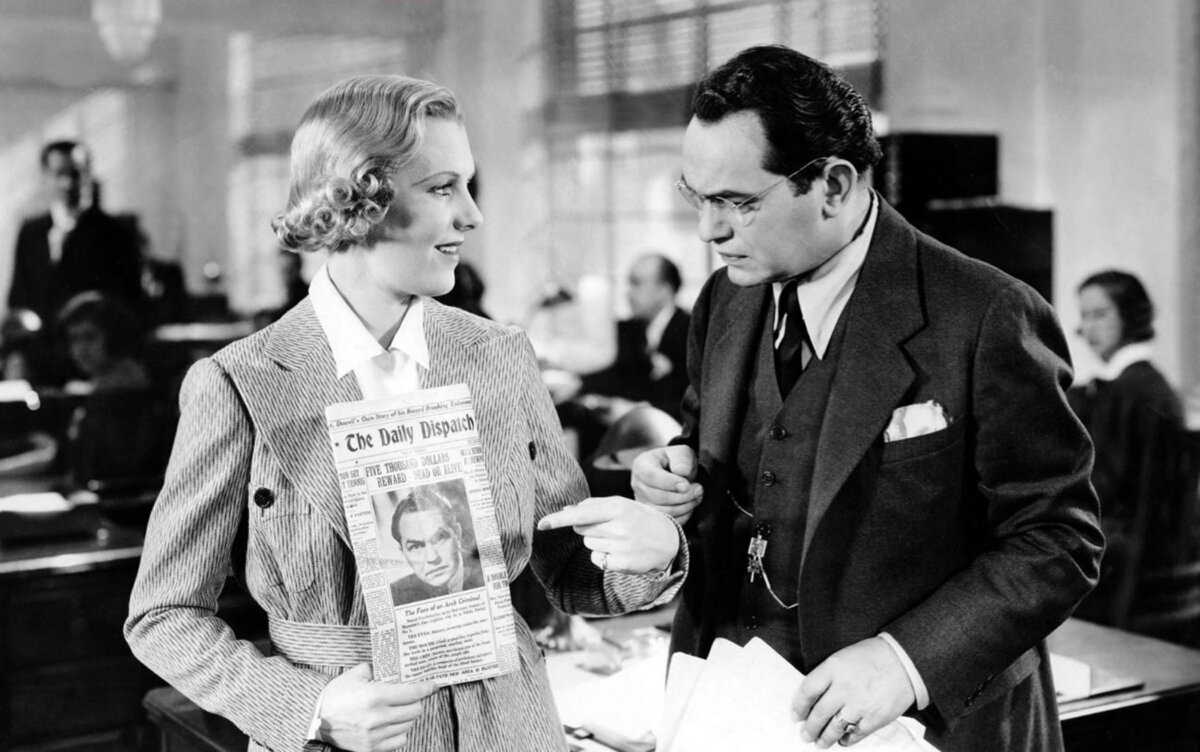
In “The Whole Town’s Talking” (1935), Robinson shows his range by playing two very different characters, as he changes his voice, posture, expressions, and timing to create different personalities. Director John Ford used that familiar face in two completely different ways in this story of mistaken identity.
Robinson isn’t the only one who’s stretching creatively here. Ford’s name is usually associated with the many horse operas he directed, so moviegoers may be surprised by this crime comedy. He gets plenty of humor out of ridiculous situations while still allowing Robinson’s bad guy character to feel like somebody his good guy character has every reason to fear once a gun appears.
A Bad Morning
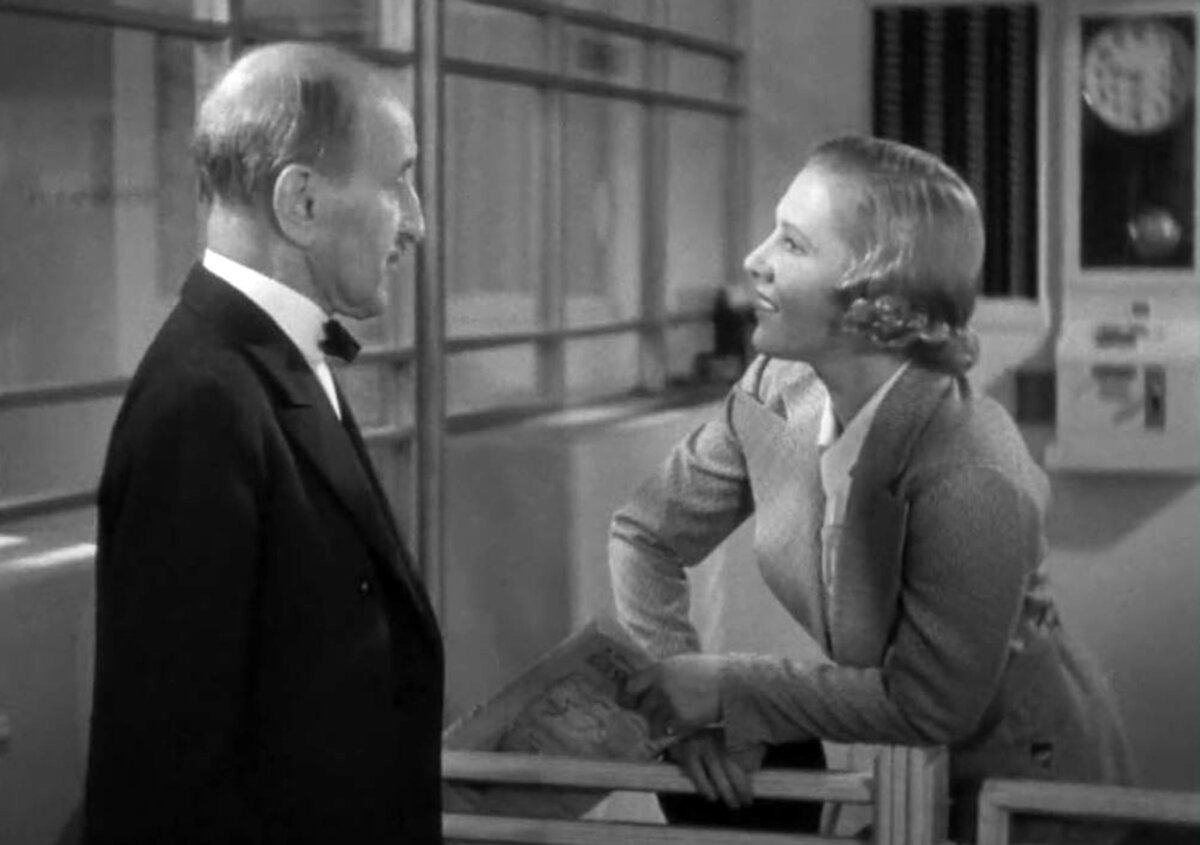
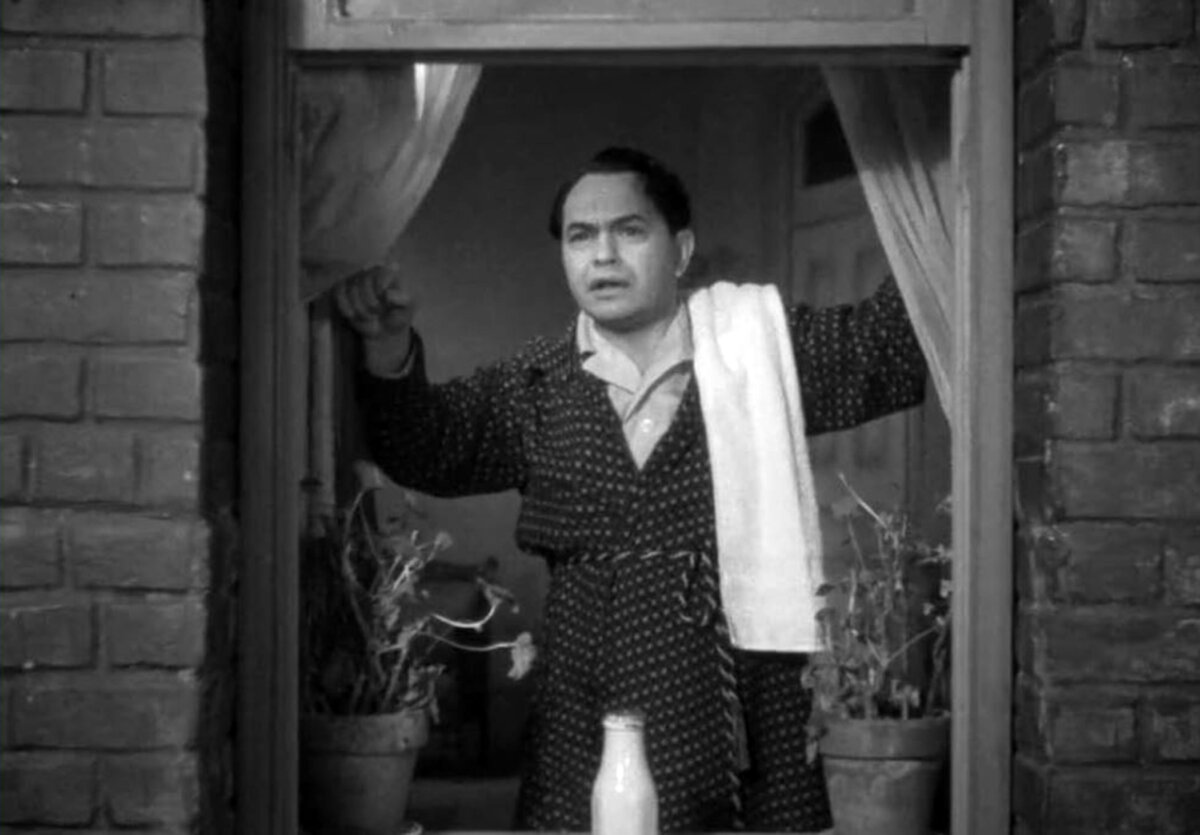
Trouble starts one morning when, for the first time in eight years, mild-mannered penpusher Arthur Ferguson Jones (Robinson) fails to hear his alarm clock. He rushes down to his bookkeeping desk, where office manager Seaver (Etienne Girardot) and big boss J.G. Carpenter (Paul Harvey) take punctuality VERY seriously.
Outspoken coworker Wilhelmina “Bill” Clark (Jean Arthur) gets handed a dismissal slip for also showing up late. She then spots a front-page photograph of escaped murderer Killer Mannion (also played by Robinson) and starts laughing over how much the fugitive resembles her harmless desk mate.
However, things get considerably less funny when an excitable lunchroom customer named Hoyt (Donald Meek) notices the same resemblance and calls the police.
Jones gets hauled downtown and questioned until a bank robbery elsewhere proves that Mannion is still on the loose. District Attorney Spencer (Arthur Byron) gives Jones an official document meant to stop patrolmen from arresting him every time somebody recognizes the wrong face.
Soon, his accidental fame attracts newspaperman Healy (Wallace Ford), who wants Jones to write about the gangster everyone thinks he resembles. Carpenter sees a chance for some free publicity for the office.
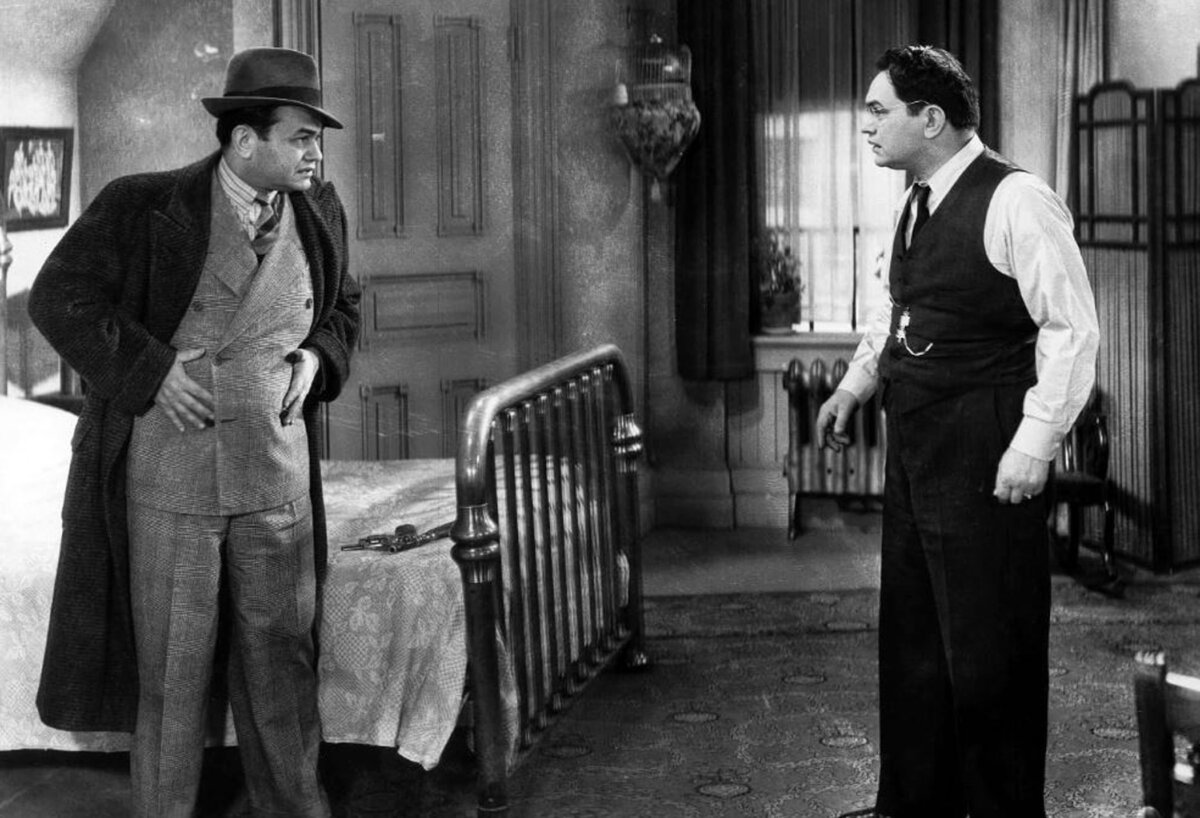
That brief run of good fortune ends when Jones gets home and finds Mannion waiting for him with a gun. Suddenly, looking like a wanted killer becomes a much bigger problem than a few mistaken arrests.
Double Trouble With Style
The double work still looks impressively clean for a movie made in the mid-1930s. Cinematographer Joseph H. August gets Jones and Mannion into the same frame often enough that you stop waiting for the technical tricks and start simply watching the two characters deal with each other. Robinson argues with himself, reacts to himself, and shares the frame as two separate people without the effect becoming distracting.
Ford also seems to understand exactly how long to let a joke run before moving on to the next problem. Jones spends much of the movie trying to get his bearings while events keep getting away from him, which suits Robinson’s nervous performance perfectly.
Mannion changes the mood whenever he appears because there’s nothing harmless about the guy once he starts getting aggressive, even when the situations surrounding him are ridiculous.
Arthur is quite enjoyable and silly to watch as Bill Clark; I feel she could have been used more often later in the picture. She has a dry way of looking at Jones whenever he suddenly finds some nerve, and those reactions are enough fun on their own. Arthur and Robinson have an easy rapport, which makes it a little disappointing when the story gives her less to do as Mannion becomes more involved.
The ending arrives pretty fast, although I liked where the movie ultimately takes Jones after spending so much time watching him get pushed around.
“The Whole Town’s Talking” may change the way viewers regard Robinson. While he could play convincing gangsters, seeing him pull off somebody this meek (and likable) made me appreciate him quite a bit more.
“The Whole Town’s Talking” is available on Amazon, YouTube, and Apple TV.
‘The Whole Town’s Talking’
Director: John Ford
Starring: Edward G. Robinson, Jean Arthur, Arthur Hohl
Not Rated
Running time: 1 hour, 33 mins
Release Date: Feb. 22, 1935
Rated: 4 stars out of 5
What arts and culture topics would you like us to cover? Please email ideas or feedback to features@epochtimes.nyc