



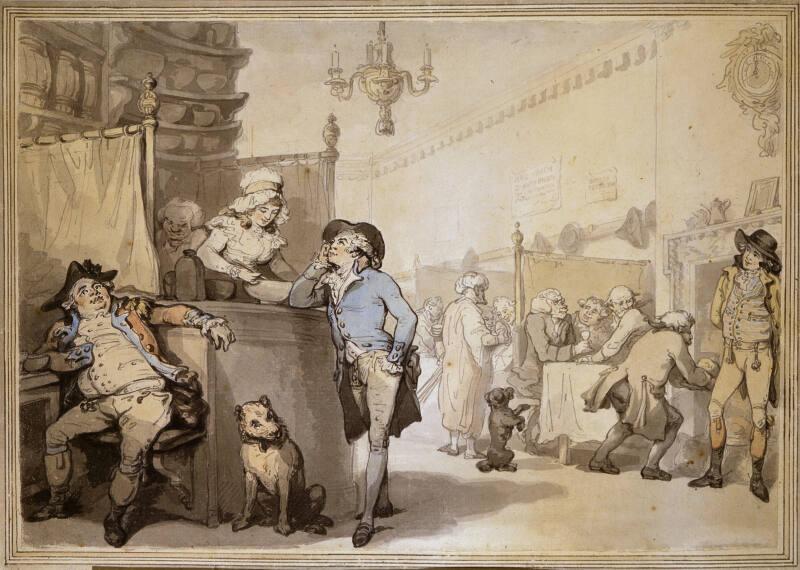
In 18th-century Europe, coffee shifted from being a luxury good to an everyday treat. And the German city of Leipzig, where composer Johann Sebastian Bach resided, was a hub for the sought-after beverage. Coffeehouses could be found throughout Leipzig, and Bach was no stranger to a cup of joe. He was a frequent visitor to Cafe Zimmermann, where he’d not only indulge his coffee habit, but direct performances for his student orchestra, Collegium Musicum.
Coffee became something of a cultural hallmark in Europe as shops opened, women hosted coffee get-togethers at their homes, and everyday citizens could be seen enjoying it. By the 1730s, it was the preferred drink of choice for many social gatherings, and Bach, perhaps more than any other classical musician, understood its allure. One legend associated with the influential composer is that he drank up to 30 cups of coffee a day. Sometime between 1732 and 1735, he composed one of his most entertaining pieces in honor of the hot commodity: his “Coffee Cantata” (BWV 211).
An Ultimatum and a Plot Twist
While Bach is known for his sacred compositions inspired by his faith as a devout Lutheran, he also wrote secular works. His lively “Coffee Cantata” acts as both an ode to the beverage and satire poking fun at a portion of the population at the time worried about its growing cultural influence. “Coffee Cantata” is often described as something of a mini-opera, and it reveals the playful side of one of classical music’s most serious musicians.
This performance of “Coffee Cantata” features the Netherlands Bach Society. (Listen)
The 27-minute piece features two main characters, a father, Herr Schlendrian, and his daughter, Lieschen. A narrator also makes an appearance at the beginning and near the end of the work to set the scene, which takes place in a fictional coffeehouse for the entire composition.
We are quickly introduced to Schlendrian at the beginning of the cantata. He’s a strict father worried about his daughter’s coffee consumption. But Lieschen’s response a few minutes in at 5:31 should bring a smile to the modern listener’s face—she declares she only has three cups a day (today’s average for most Americans).
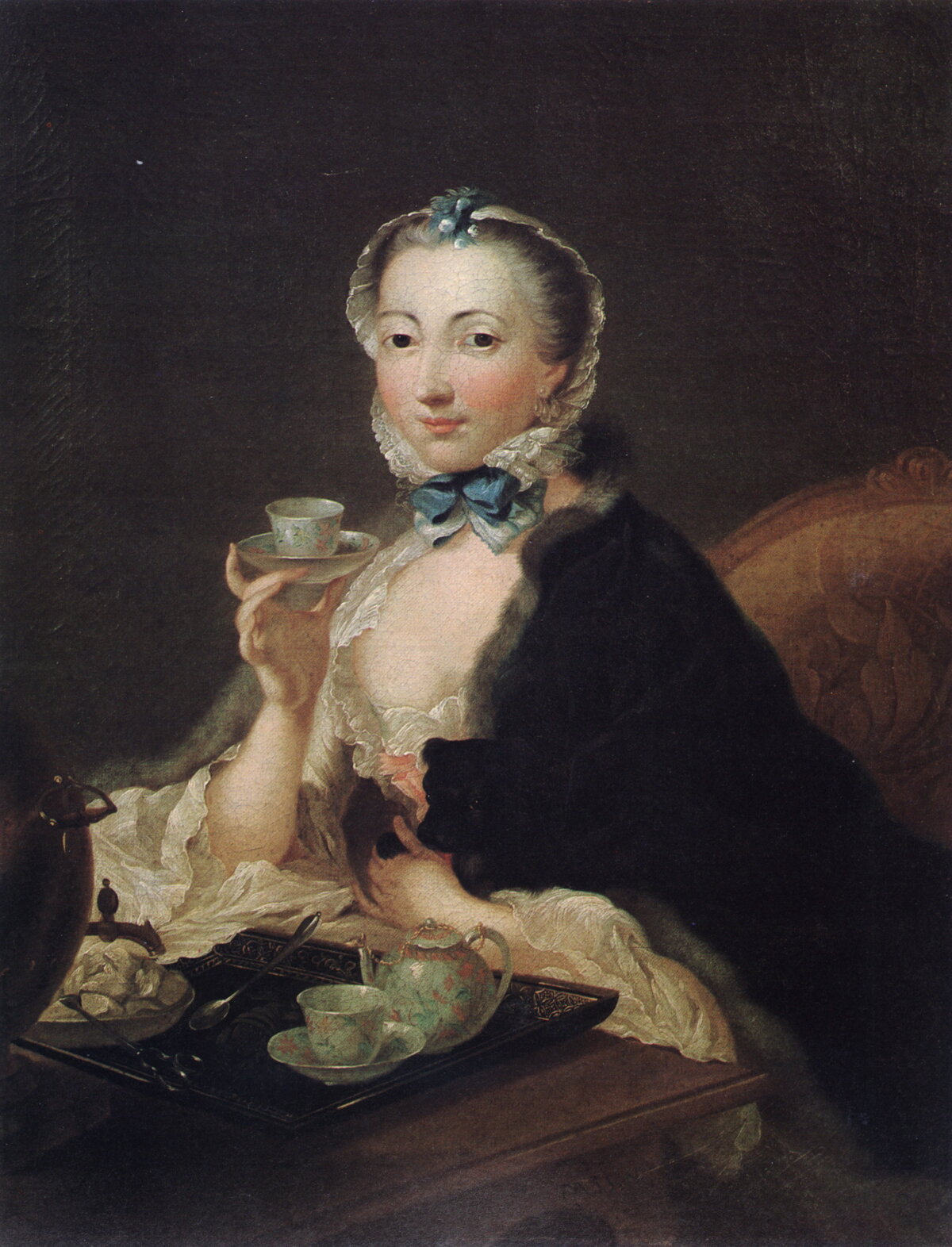
A transitional flute passage signals an “aria,” or extended solo for Lieschen, and an exasperated Schlendrian responds at around 10:36 in the cantata. Because of his daughter’s insistence on coffeehouse visits, he doles out a series of punishments—no parties, no strolls about town, and none of the latest fashions. When Lieschen is unfazed, he levels an ultimatum in the form of his own aria and at around 14:50, he promises no opportunity for marriage if she continues what he considers to be a bad habit. His daughter finally complies, but she has a trick up her sleeve.
Towards the end (22:20), the narrator reappears and tells listeners that Schlendrian has gone off to find his daughter a mate. And with about five minutes left in the cantata, he lets the audience in on a secret. Lieschen has stipulated in her marriage contract her right to brew a pot of coffee as she likes, or else the suitor will not get her hand in marriage.
The text for this Bach cantata was written by a man named Picander, a pen name for poet and librettist Christian Friedrich Henrici, who worked with Bach extensively. However, the piece’s plot twist towards the end with Lieschen’s marriage stipulation was all Bach’s idea.
A Choral Finale
Bach’s “Coffee Cantata” features a lighter orchestral setting than other works; one perfect for a coffeehouse setting. A bass section is anchored by the Baroque-era harpsichord instrument, and a solo flutist and strings section featuring violin and viola round out the sound.
The star of the show is the piece’s vocal section, featuring solos from the bass singer (Schlendrian) and the soprano (Lieschen). The narrator commands the tenor harmony, with all three joining together in the last few minutes of the piece for a choral-style finale.
While Bach was a coffee-lover, he also created the cantata as a way to market his home away from home. Cafe owner Gottfried Zimmermann didn’t charge an admission fee, but he still profited from coffee sales at Bach’s regularly scheduled concerts. Bach’s lighthearted cantata, which debuted at Cafe Zimmermann, is considered by historians to be the composer’s way of expressing gratitude to the venue.
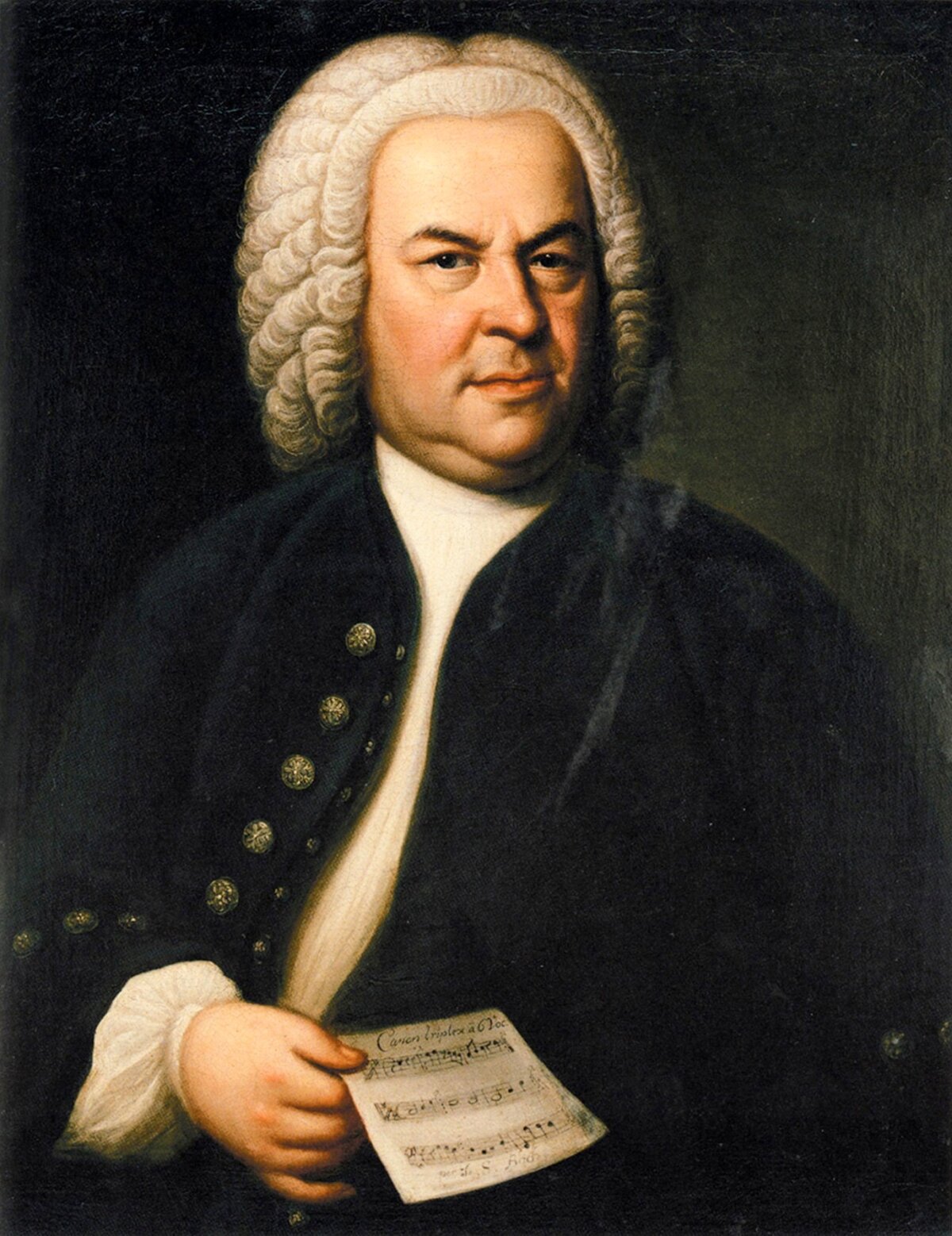
Both comedic and charming, the “Coffee Cantata” shows that artists can glean inspiration from anywhere. Bach was a man inspired by his faith. But, on occasion, he set his sights on earthly matters and drew a delightful bout of inspiration from a tiny but mighty muse: the coffee bean.
What arts and culture topics would you like us to cover? Please email ideas or feedback to features@epochtimes.nyc.
