
This article includes affiliate links, which may earn us a commission, to support truthful and independent journalism (at no extra cost to you).
A day hike sounds simple: leave in the morning, spend a few hours outdoors, and return before dark. And in many cases, it is simple. But that does not necessarily mean heading out with nothing more than sneakers and a bottle of water.
The goal is not to carry more gear. It is to carry the
right gear.
Day hiking is different from backpacking because you generally do not need equipment for sleeping, cooking, or several days away from developed areas. Still, comfortable footwear, enough water, protection from the weather and sun, and a handful of basic safety items can make a day outdoors considerably more comfortable and better prepared. What you bring should ultimately depend on the trail, forecast, distance, remoteness, and your own experience.
Start With Comfortable, Trail-Appropriate Footwear
Footwear is one of the first things to consider, but not every hike calls for heavy hiking boots.
For a shorter outing on a maintained trail, a lighter hiking shoe may provide enough traction and flexibility. Boots become more appealing when the trail is rocky, muddy, wet, or uneven, or when you prefer additional ankle coverage and support. Fit, comfort, trail conditions, weather, and distance are all more important than assuming one type of footwear works for every hike.
For women looking for a relatively affordable waterproof option, the NORTIV 8 Women’s Hiking Boots are designed for changing outdoor conditions and offer traction and support. The Merrell Women’s Moab 3 Boots are a more substantial, waterproof mid-cut option that may appeal to hikers who spend more time on rocky, muddy, or uneven terrain.
The Waterproof Lightweight Hiking Boots provide another middle ground for someone who wants waterproof protection and a nonslip sole without moving into a heavier premium boot. For men planning longer hikes or tackling more varied terrain, the Lowa Men’s Renegade GTX Boots combine a supportive mid-cut design with GORE-TEX waterproofing.
There is no need to choose the most expensive boot for an easy afternoon trail. Whichever option you consider, make sure it fits well, leaves your toes enough room, and feels secure around the heel. Breaking footwear in before a longer outing can also help you discover pressure points before you are several miles from the trailhead.
Hiking Shoes


Bring Enough Water for the Hike
Water is one area where it usually makes sense to plan ahead rather than hope for the best.
How you carry it can be as simple or elaborate as you like. A regular insulated bottle works well for short hikes, while a hydration pack can be convenient when you want to drink without stopping. Collapsible bottles are another useful option because they become smaller as they empty.
The Hydration Hiking Backpack includes a 2-liter bladder along with compact storage, making it a convenient option for hikers who like hands-free access to water. For a simpler setup, the Stainless Steel Water Bottle uses double-wall insulation to help keep drinks cold and has a FreeSip-style lid that allows either sipping or drinking through the larger opening. The Collapsible Hydration Flasks are lighter and fit in a running vest or backpack, taking up progressively less room as you drink.
None is automatically better than the others. For a short local trail, a bottle may be the easiest answer. For a longer or more active outing, a hydration bladder may be more convenient. The important part is carrying enough for the hike and expected conditions.
Hydration Packs & Water Bottles


Choose a Daypack That Fits What You Are Carrying
A common temptation is to buy a large backpack first and then find things to put in it.
For many day hikes, the opposite approach works better: decide what you genuinely need, then choose a bag that comfortably holds it.
For a short walk with water, keys, sunscreen, and a few essentials, the Crossbody Hiking Sling Bag offers compact storage without the bulk of a traditional backpack. A regular lightweight daypack is generally better if you are adding food, extra water, a jacket, and emergency items.
The 40L Hiking Backpack gives you considerably more room for clothing, food, and trail equipment and includes a rain cover. That capacity could be useful for a longer outing or when carrying gear for more than one person, but it is probably more space than a casual hiker needs for a short trail.
Bigger is not necessarily better. A smaller pack that comfortably carries what you need can feel much better after several hours on the trail.
Daypacks


Trekking Poles: Useful When the Terrain Calls for Them
Trekking poles are one of those products that some hikers rarely leave home without, while others may never need them.
They can provide additional balance on loose rock and uneven ground and are especially useful on steep climbs or long descents. On a short, relatively flat path, however, they may become something else to carry.
The Lightweight Trekking Poles are made of 7075 aluminum and are designed to provide additional stability on climbs, descents, and rough terrain. The lower-priced Aluminum Trekking Poles feature a collapsible design and offer an alternative for hikers seeking basic trail support without adding much weight.
If most of your hikes are on paved or gently rolling paths, you may not need either. If you regularly encounter steep or uneven trails, poles may become one of your most appreciated accessories.
Trikking Poles


Good Hiking Socks Can Make a Difference
Socks are far less exciting to shop for than hiking boots, but they can have an outsized effect on comfort.
The right pair can provide cushioning, help manage moisture, and make footwear more comfortable over several hours. Thickness should generally match both your shoes and the weather.
The Men’s Merino Hiking Socks provide thicker cushioning and warmth that may work particularly well with boots and in cooler conditions. The Women’s Merino Hiking Socks offer a similar combination of warmth and cushioning for hiking boots and cold-weather use.
For warm-weather hiking in lighter shoes, you may prefer a thinner, lower-cut hiking sock instead. What matters most is avoiding socks that bunch, rub, or stay uncomfortable once your feet begin to warm up.
Hiking Socks


Think About Sun Protection Before You Start Walking
Sun protection is easy to overlook when packing hiking equipment, but on an exposed trail it may be one of the things you use most.
The Sensitive Mineral Sunscreen provides fragrance-free zinc oxide protection against UVA and UVB rays and may particularly appeal to hikers with sensitive skin. Sunscreen does not have to work alone, either.
The Women’s UPF Sun Hat combines a wide brim with UPF 50+ fabric and folds down for packing, providing additional coverage for the face and neck. UV Protection Arm Sleeves offer another option for covering exposed arms without putting on a full long-sleeve layer in hot weather.
You probably do not need all three for every outing. A shaded woodland hike may call for less protection than several hours on an exposed ridgeline. Think about how much sun you are likely to encounter and choose accordingly.
Sun Protection


Don’t Forget About Mosquitoes and Ticks
Bug protection can also be situational. If you are hiking through wooded, humid, grassy, or waterside areas, insect repellent can be worth keeping in the pack. The Mosquito & Tick Repellent uses lemon eucalyptus oil and is intended for hiking, camping, and other outdoor activities where mosquitoes and ticks may be present. Use any repellent according to its label directions; in areas where ticks are common, checking yourself after the hike is another sensible habit.
Insect repellent


A Small Safety Kit Does Not Need to Be Complicated
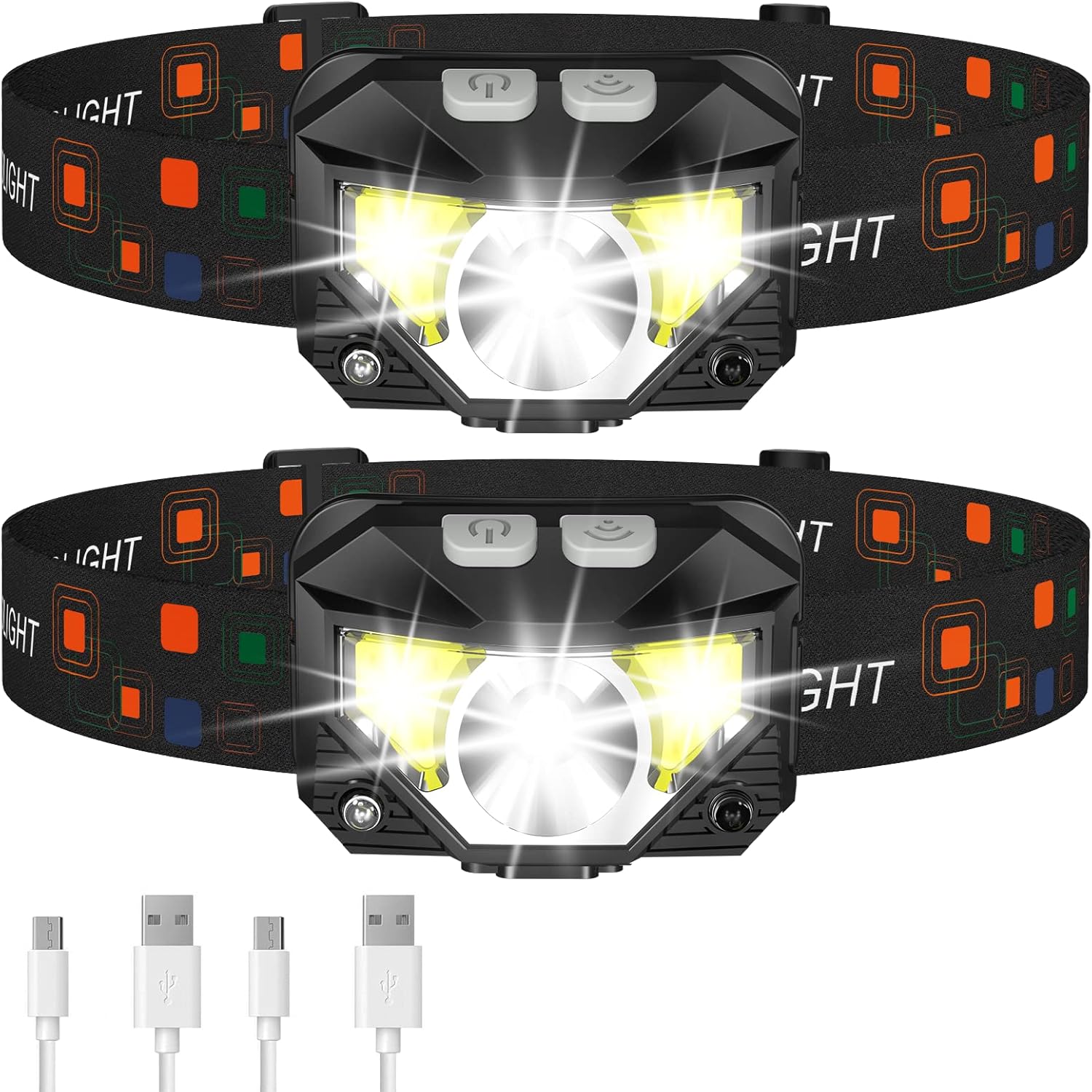
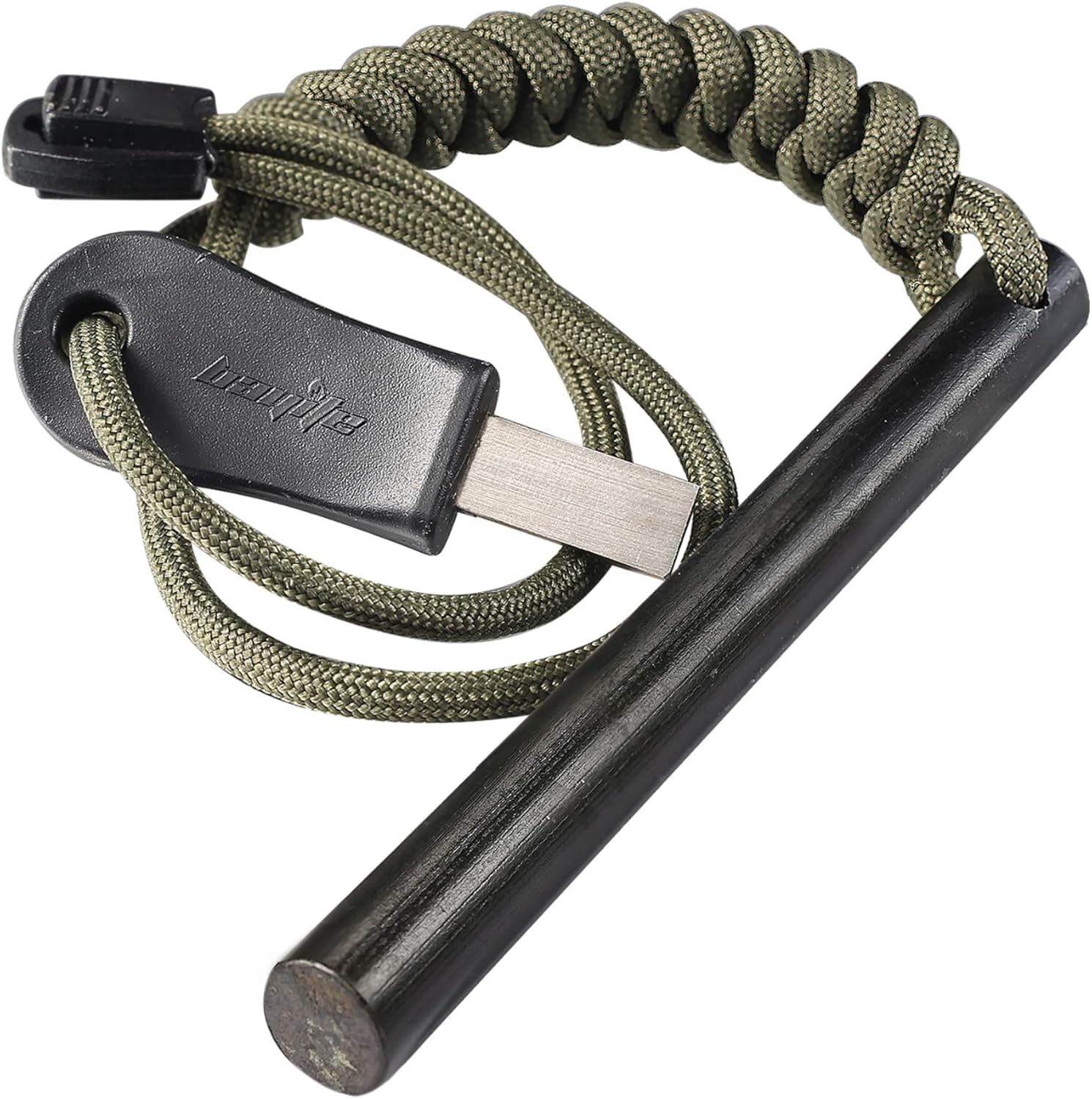
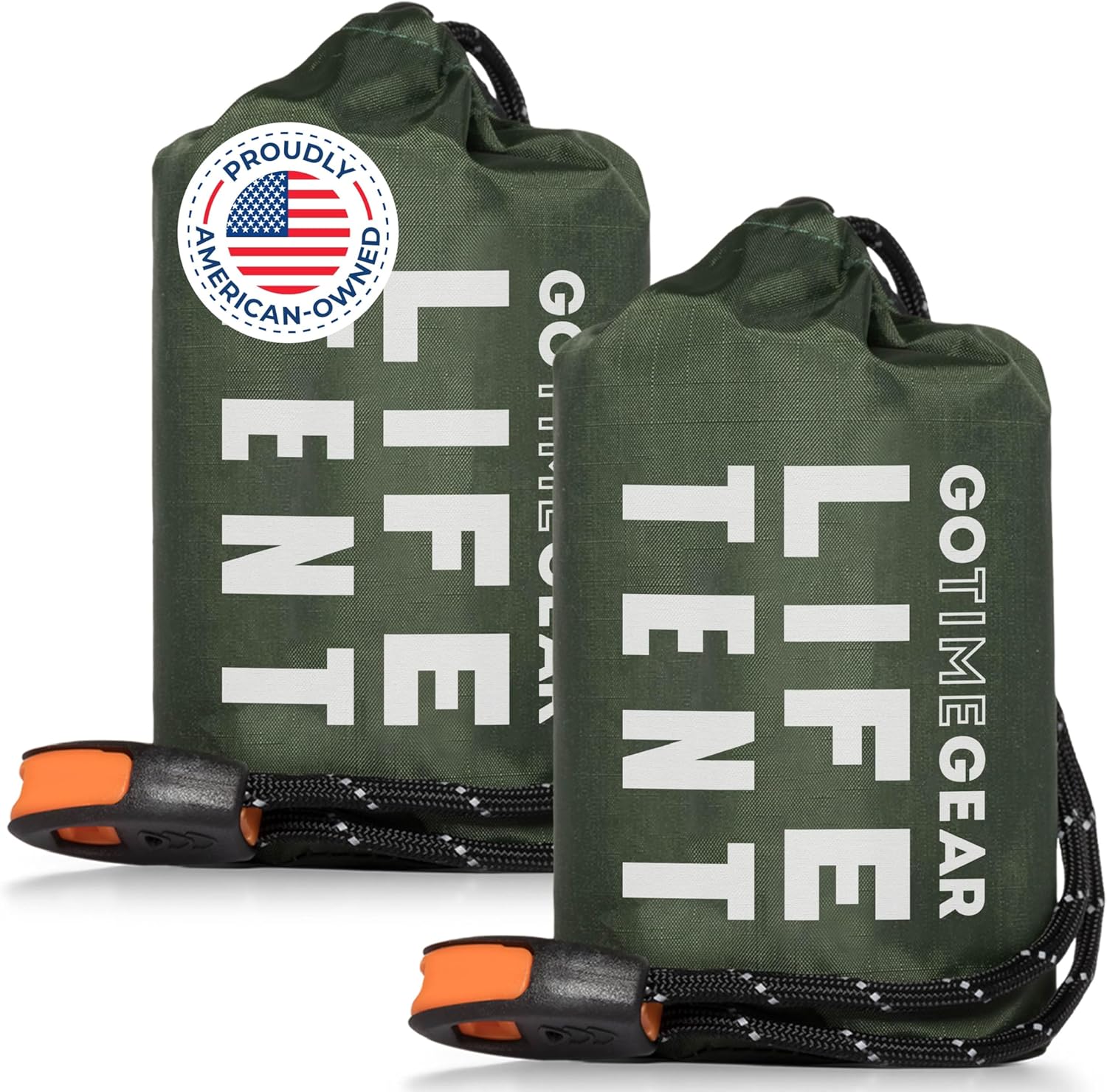
Day hiking does not mean you need to build a large survival kit. But a few lightweight items can be useful when something unexpected happens. An Ultralight First Aid Kit provides organized supplies for minor cuts, scrapes, blisters, and other basic needs without taking up much space. A Rechargeable LED Headlamp is another small item worth considering even when you plan to return before sunset. A wrong turn, a slower-than-expected pace, or an unexpectedly long break can leave you on the trail later than expected. A small power bank is also useful if you depend on your phone for maps, communication, photographs, or emergency calls. Starting the hike with a fully charged phone is still the better first step; backup power is simply an additional layer of preparation. A few other emergency items may be worth considering on more remote hikes, although most casual hikers will not need to carry all of them. The Personal Water Filter can be useful where freshwater sources are available, and your carried supply becomes insufficient. It should be thought of as backup rather than a reason to begin a hike without enough water. A Ferro Rod Fire Starter provides a reusable way to create sparks in camping or survival situations. It is compact, but on a short, heavily traveled trail, it is likely more of an optional emergency item than an everyday necessity. The Two-Person Emergency Shelter uses reflective Mylar material to provide basic protection from wind and weather while helping retain body heat. If you want something even simpler, Mylar Emergency Blankets take up very little space and can help reduce heat loss during an unexpected delay or emergency. The Emergency Weather Radio adds NOAA weather alerts, radio reception, a power bank, and a light, to name a few features. It may be particularly useful in areas where severe weather is a real concern or where cellular service is unreliable. Still, it is probably more than you need for a short outing near developed areas. This is a good category in which to resist the urge to bring everything. The farther you are from developed areas – and the more unpredictable the conditions – the more valuable emergency equipment becomes.
First Aid Kits


Headlamps

Power banks


Compact emergency gear




Prepare for the Weather You Are Likely to Encounter
Checking the forecast before leaving takes only a few minutes and can help you determine what to pack.
When rain is possible, a lightweight shell can be worth carrying. The Men’s Waterproof Rain Jacket is a compact, hooded option that fits in a hiking pack without taking up much space. At the same time, the Women’s Packable Rain Jacket provides a similarly lightweight waterproof layer that can be pulled out when the weather changes.
Hot-weather hikers may appreciate the Cooling Microfiber Towels. Wetting the microfiber material creates a cooling feel around the neck or face, making them a simple comfort product for particularly warm days. They should not be viewed as a substitute for water, shade, or sensible heat precautions, but they can make a summer hike more pleasant.
Temperature can also change with elevation, so an additional layer may be useful in mountainous areas even when the trailhead feels warm.
The idea is not to prepare for every imaginable weather event. It is to look at the conditions you are reasonably likely to encounter and carry protection for those.
Rain jackets


Keep Trail Food Simple
You usually do not need elaborate meals on a day hike.
Nuts, fruit, sandwiches, granola, or other familiar snacks can provide something to eat without adding much weight. Bringing food in reusable containers can also prevent crushed snacks and leaking bags.
The Stainless Steel Snack Containers are sized for individual portions of nuts, fruit, and other small trail foods. If you prefer a larger meal or want to keep something hot or cold, the Insulated Stainless Food Jar uses vacuum insulation to keep soups, meals, and snacks hot or cold.
Whatever you bring, remember to pack out wrappers, containers, and food waste when you leave.
Snacks / food containers


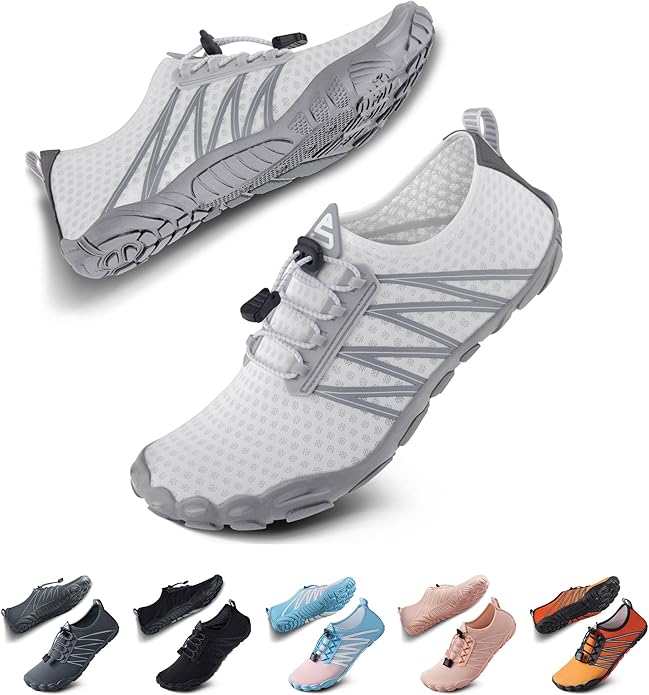
What About Water Shoes?
Water shoes are useful when the hike actually involves water.
If the route includes river crossings, waterfalls, beaches, kayaking, or other activities where your feet are likely to get wet, quick-drying or water-specific footwear can be worth bringing.
For an ordinary dry trail, a second pair of shoes may add unnecessary weight.
What Can You Skip on a Typical Day Hike?
This is where day hiking can stay refreshingly simple.
Many casual hikers probably do not need an oversized multi-day backpack, bulky camping equipment, a large survival knife, several changes of clothing, or multiple gadgets performing the same job.
You may also be able to leave trekking poles behind on flat trails. A water filter may be unnecessary when you can easily carry sufficient water. A ferro rod, emergency shelter, or weather radio may not be necessary for a short, popular route only a few miles from developed areas.
That does not mean any of these products are inherently unnecessary. They make more sense on some hikes than others.
A remote mountain trail with unreliable cell service and rapidly changing weather requires different preparation than a three-mile loop through a local park.
The question should be:
What could I reasonably need on this hike? Rather than: How much gear can I fit in my pack?
A Simple Day-Hike Packing Checklist
For many day hikes, the basics are fairly modest: comfortable hiking shoes or boots, enough water, a suitable pack, weather-appropriate clothing, sun protection, and a few snacks.
Depending on the trail and conditions, you might add trekking poles, insect repellent, a first aid kit, a headlamp, a power bank, rain protection, cooling gear, or a few compact emergency items.
That gives you room to adjust. A short local hike may require only the basics. A longer mountain hike might justify rain gear, trekking poles, additional water, emergency blankets, a headlamp, and more food.
Pack Smarter, Not Heavier
A good day-hiking setup does not have to be complicated or expensive.
Start with the trail. Look at the distance and elevation, check the forecast, consider how remote the route is, and think about what makes you personally comfortable. Then choose the equipment that addresses those conditions.
For most hikers, supportive footwear, adequate water, sun and weather protection, food, and a handful of carefully selected safety items will be far more useful than carrying a backpack filled with products that never come out.
On some days, that might mean hiking boots, trekking poles, a rain jacket, and a headlamp. On an easier trail, it might be nothing more than comfortable shoes, an insulated bottle, sunscreen, a few snacks, and a small sling bag.
The best day-hiking gear is not necessarily the gear you own the most of. It is the gear that fits the hike you are actually taking.