
This article includes affiliate links, which may earn us a commission, to support truthful and independent journalism (at no extra cost to you).
Did you know that in the U.S., about 20% of homes rely on a private septic system rather than a public sewer line? That means routine septic care is an important part of home maintenance for many households. Before looking at maintenance products, it helps to understand what is happening inside the septic system and why routine care matters.
💡 How a Septic System Works
Wastewater from toilets, sinks, showers, washing machines, and other household fixtures flows through the main sewer pipe into an underground septic tank. Heavier solids settle to the bottom and form sludge, while fats, oils, grease, and other lighter materials rise to form a scum layer. The liquid in between, called effluent, flows into the drain field, where the surrounding soil provides additional treatment before the wastewater returns to the environment.
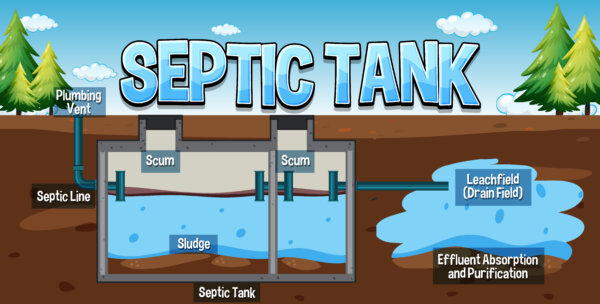 Septic tank system diagram, Image credit: Brgfx/Magnific
Regular inspections and pumping are essential to keeping a septic system working properly. In fact, the EPA recommends that a typical household septic system be inspected by a professional at least every three years and pumped as needed, about every three to five years. Homes with more residents, higher water use, or frequent garbage disposal use may need maintenance more often.
In addition to routine inspections and pumping, some homeowners choose to use septic treatment packets containing bacteria or enzymes. These products are marketed to support waste breakdown, odor control, or drain-field maintenance, but they should be viewed as optional supplements rather than a substitute for professional septic care. The EPA notes that a properly functioning septic system already contains the microorganisms needed to break down household waste and does not require additives to operate normally.
For homeowners who still choose to use a treatment product, the products below take several different approaches to septic maintenance. Some focus on bacteria and enzymes for routine use, while others are aimed more specifically at drain fields, odor control, or RV holding tanks. Because formulas and intended uses vary, it is worth checking both the product directions and the requirements of your particular septic system before choosing one.
The Breakdown:
-
- Septic Tank Treatment Packets By Cabin Obsession: Now $20, was $28 (29% off)
- Green Gobbler Septic Treatment Packets: Now $13, was $19 (34% off)
- Dr. Pooper Drain Field Cleaner Tablets: Now $21
- Active Septic Tank Treatment Pods: Now $21.49
- Uncle Todd’s Septic Tank Treatment Pods: Now $20, was $25 (20% off)
- Camco RV Toilet Treatment Drop-Ins: Now $15, was $29 (49% off)
Septic Tank Treatment Packets By Cabin Obsession

Septic Tank Treatment Packets By Cabin Obsession
This Made in USA septic tank treatment contains live bacteria intended to support enzyme activity and the breakdown of organic waste, sludge, and scum.
Made with all natural, environmentally friendly ingredients, this formula contains no chemical additives and is safe for toilets and household drain lines. Each box includes 12 dissolvable and flushable packets for a full year of monthly maintenance. Simply drop one packet into the toilet and flush to help maintain the system and reduce odors.
They’re safe for all home plumbing lines, any black water system or cesspool, and both aerobic and anaerobic septic systems.
$19.99 on Amazon $27.99
$19.99 on Walmart $31.99
(Price at Time of Publishing)
Green Gobbler Septic Treatment Packets

Green Gobbler Septic Treatment Packets
With a 7-in-1 natural formula, this treatment combines probiotics and enzymes to help keep septic systems working smoothly. The product is designed to breaks down common clog and odor sources such as toilet paper, fats, oils, grease, proteins, sugars, and starches, making it a practical option for routine septic care.
A key feature is its ability to help neutralize the impact of everyday detergents and bleach, which may disrupt the tank’s beneficial bacteria. By supporting the microbial balance inside the system, it helps maintain ongoing waste breakdown. Each pack includes a full 12-month supply for easy, year-round use.
It can also be used to treat cesspools, RV & marine holding tanks and drain & leach fields.
$12.57 on Amazon $18.99
$12.57 on Walmart
(Price at Time of Publishing)
Dr. Pooper Drain Field Cleaner Tablets

Dr. Pooper Drain Field Cleaner Tablets
This Made in USA septic treatment uses a patented Bio-Accelerator formula that is designed to encourage the growth of naturally occurring bacteria to help break down grease, solid waste, organic sludge, and buildup inside pipes more efficiently.
It is especially designed to help rejuvenate slow or clogged drain fields and leach fields by supporting better septic flow. Each eco-friendly pouch reduces plastic use by 90% compared with traditional bottles and includes 20 easy-flush tablets, providing a 10-month supply with two tablets used per month.
Safe for all septic systems, pipes, and plumbing.
$59.97 on Amazon
(Price at Time of Publishing)
Active Septic Tank Treatment Pods

Active Septic Tank Treatment Pods
Made in the USA, Active Septic Tank Treatment Pods use a Bio Starter Blend containing live bacteria in premeasured dissolvable pods. Once flushed into the system, the bacteria are intended to support enzyme activity and the breakdown of organic waste and sludge.
With industrial strength clog fighting and odor control, it helps clear common blockage sources across the entire system and may help prevent toilet backups, drain odors, and costly repairs. The eco friendly formula is safe for pipes while offering professional level yearly maintenance. Each box includes 12 dissolvable pods for a full year of regular septic care.
ACTIVE Works in Conventional & Chamber Systems, Drip Distribution System, Both Aerobic and Anaerobic Treatment Units, Rv Holding Tanks, and Black Tanks.
$24.95 on Amazon
$22.45 on Walmart
(Price at Time of Publishing)
Uncle Todd’s Septic Tank Treatment Pods

Uncle Todd’s Septic Tank Treatment Pods
Uncle Todd’s Septic Tank Treatment Pods take a somewhat different approach with a plant-derived, dye-free formula containing bacteria and enzymes. The dissolvable pods are designed for monthly use and are intended to support the natural breakdown of solid waste and organic matter inside the tank.
Each package contains 12 premeasured pods for a full year of maintenance. The manufacturer says the formula is suitable for septic tanks, drain lines, and household plumbing. For homeowners who prefer a plant-derived formula and the convenience of one premeasured treatment per month, this is another option to consider.
Safe for all septic tanks, pipes, and plumbing systems, these are the convenient and reliable choice for septic system maintenance.
$19.96 on Amazon
(Price at Time of Publishing)
Camco RV Toilet Treatment Drop-Ins

Camco RV Toilet Treatment Drop-Ins
Home septic treatments and RV holding-tank treatments serve somewhat different purposes. For campers and RV owners, Camco TST MAX Drop-Ins are designed primarily to control black-tank odors and help break down RV toilet paper and waste. The manufacturer says each packet treats tanks up to 40 gallons.
The advanced formula breaks down waste and RV toilet paper, helping reduce clogs while supporting cleaner tank sensors and easier waste digestion. Safe for septic systems and made in the USA, this 30-pack is practical for camping, boating, boondocking, and full-time or occasional RV travel.
$14.88 on Amazon $28.99
$14.88 on Walmart
(Price at Time of Publishing)
💡 What to Keep in Mind for Routine Septic System Maintenance
Septic treatments are only one small part of caring for a system. Everyday habits, regular inspections, pumping when needed, sensible water use, and protecting the drain field generally matter much more over the life of the system.
A few simple habits can help reduce unnecessary strain and make it easier for the septic system to do what it was designed to do.
🌿 Smart Flushing
What goes down the drain matters. Wipes, paper towels, feminine hygiene products, cotton swabs, dental floss, diapers, cat litter, coffee grounds, and similar items should not be flushed or poured down the drain. Grease, cooking oil, and large amounts of food scraps should also be kept out of the sink whenever possible, since they can add to buildup inside pipes and the tank.
Garbage disposals can also send additional solids into the septic system. Frequent use may increase the amount of material the tank has to process and could contribute to the need for more frequent pumping.
For everyday bathroom use, regular toilet paper is designed to break down in wastewater. Homeowners who prefer products specifically marketed for septic systems can also find faster-dissolving or septic-labeled options, but wipes and other non-toilet-paper products should not be treated the same way.
Options such as the Charmin Forever Roll Starter Kit, bamboo septic-safe toilet paper, and Scott ComfortPlus Septic-Safe Toilet Paper are common household choices and are generally designed to be gentler on septic systems.
🌿 Water Use
A septic system needs time to process wastewater, so it helps to spread out heavy water use. Running several loads of laundry, using the dishwasher, and taking long showers within a short period can send a large amount of wastewater into the system at once.
Fixing leaking toilets or faucets and using water-efficient fixtures can also help reduce demand on both the tank and drain field.
🌿 Drain Field Care
The drain field, also called the leach field, is a key part of the system and should be protected from excess weight and water. Homeowners should avoid parking, driving, or building heavy structures over this area, since compacted soil or damaged pipes can affect how well the system works. Deep-rooted trees should not be planted nearby, and roof runoff, sump pump discharge, or other excess water should be directed away from the drain field to help keep the soil from becoming too saturated.
It also helps to know where the septic tank and drain field are located and to keep records of inspections, pumping dates, repairs, and system changes. Those records can make future maintenance easier and may also be useful when selling the property or explaining the system’s history to a service professional.
🌿 Know When It Is Time to Call a Professional
Septic treatment packets are maintenance products, not repairs. If drains throughout the house become unusually slow, toilets begin backing up, sewage odors appear around the home or yard, or the area over the drain field becomes unusually wet or develops standing water, the system may need professional attention.
Unusually lush or fast-growing grass directly over the drain field can also be a sign that excess wastewater is reaching the surface.
In those situations, adding more treatment packets and waiting for the problem to disappear can delay a needed repair. A qualified septic professional can determine whether the issue involves the tank, pipes, distribution system, or drain field.
🌿 The Bottom Line
A healthy septic system depends much more on good everyday habits and routine professional maintenance than on any single treatment product.
Regular inspections, pumping when needed, sensible water use, careful flushing, and protecting the drain field form the foundation of septic care. Treatment packets containing bacteria or enzymes are available for homeowners who choose to use them, and different products are designed for different purposes—from routine tank maintenance and odor control to drain fields and RV holding tanks. But they should be viewed as optional supplements rather than replacements for pumping, inspections, or necessary repairs.
If a treatment product fits your maintenance routine, look at what it is actually designed to do, follow the manufacturer’s directions, and make sure it is appropriate for your particular system. If backups, sewage odors, standing water, or other warning signs appear, it is time to have the system professionally evaluated rather than simply adding another treatment.
In the end, good septic care is fairly straightforward: keep unnecessary waste out, manage water wisely, maintain the system on schedule, and address problems before they become larger repairs.