



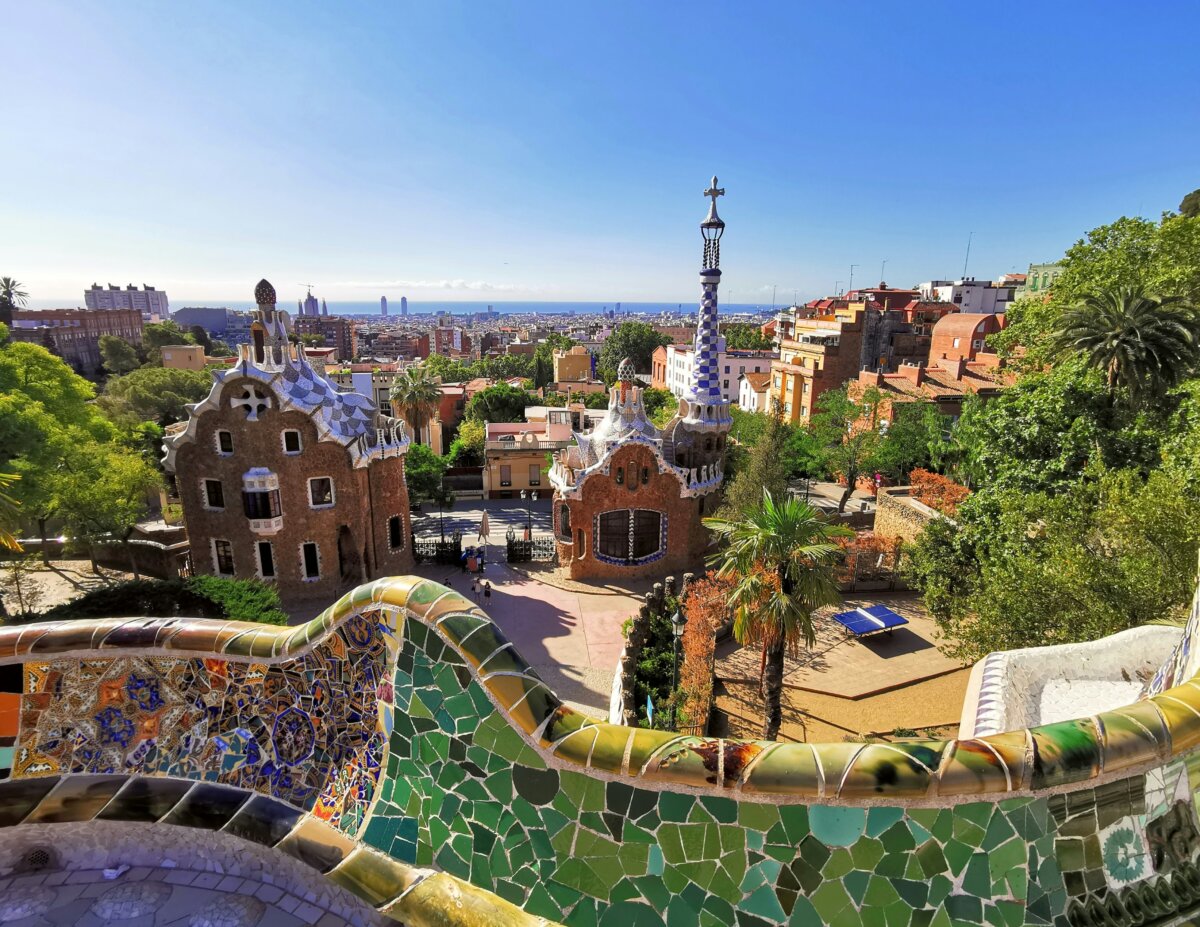
With unparalleled coastal beauty and a deep culture and history, the Jewel of the Mediterranean was once an easy choice for a first-time visitor to Europe. But times have changed, as have travel habits. And the news out of Barcelona lately has been that this beachside beauty has too many tourists.
Yes, the fact that so many people from around the world want to visit is definitely a testament to all the things that make the Catalan capital special. But it can be rather annoying, too. It can mean a crush to get on the bus or metro. La Rambla, that famous tree-lined pedestrian street cutting through the heart of the city, is always packed to the max—especially when a big cruise ship (or three) is tied up alongside the nearby wharves.
I’ve visited this city perhaps a dozen times, and I can assure you that there are some really good ways to navigate Barcelona. You just need to use a few strategies to steer clear of the crowds and tourist traps. I also recommend enjoying the company of the locals, who, it must be said, are rather kind and colorful as long as you’re not pushing them onto a carriage on the metro.
Here’s my guide on how to address and avoid the madness while discovering all of the places that will bring out the sparkle in your Catalan getaway.
Arrival
Josep Tarradellas Barcelona–El Prat Airport (BCN) is Spain’s second-busiest gateway and hub. The history here is long. The first plane took flight from the original version of El Prat in 1918, and the airport was even home to a fleet of zeppelins flown by the Spanish navy. Commercial air traffic began in the late 1920s, and the inaugural transcontinental flight linked Barcelona to New York City aboard Pan Am in 1948.
Today, BCN makes it easy to arrive on this storied stretch of Spanish coastline. A number of carriers fly nonstop from a variety of North American cities, including Washington, Atlanta, Montreal, New York City, Philadelphia, and Miami.
Once you land, getting into town isn’t hard. The Aerobús runs 24 hours a day to central spots such as Plaça Catalunya and Plaça d’Espanya, and Line 9 of the Metro offers frequent departures, getting into the middle of town in a little more than half an hour. But if it’s not rush hour and the traffic out on the highway isn’t too bad, I usually hop in an Uber. These ride-shares are generally reasonably priced, very available, and perfect for a backseat snooze, with no worries about missing my stop after an overnight trans-Atlantic flight.
A Note on Catalan
You’ve probably heard about the friction in this region regarding Catalan independence. Without getting too deep into details and the mists of time, it’s helpful to know that Catalonia was once an independent state and has fought many wars over the centuries to regain that sovereignty. In recent years, referendums have been held on the matter.
Tensions continue to rise. For your purposes, it’s important to recognize that Catalans speak a distinct language, have their own traditions and history, and usually consider themselves separate from Castilian Spain. Respecting that in your interactions can help steer clear of some awkward, or even fiery, conversations.
Basilica of the Sagrada Familia
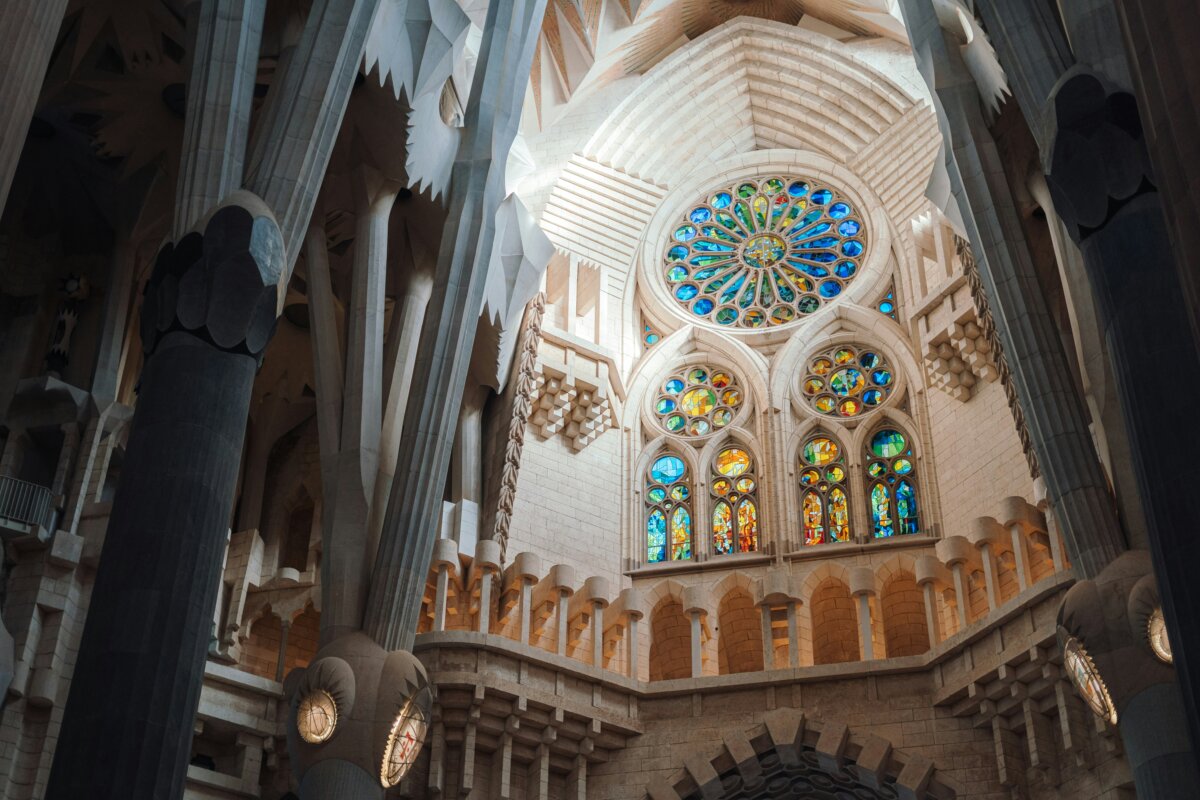
This, the Basilica of the Holy Family, is the undisputed icon of Barcelona. It was long a perennial joke (and point of frustration) that this strange and wonderful church remained unfinished since construction began in 1882. But, to everyone’s genuine surprise, they actually completed the structure in June 2026, a whole 144 years after breaking ground.
On my first visit to Barcelona a quarter century ago, you could simply buy a ticket at a little kiosk out front and stride inside, no lining up required. These days, you need to book a slot online, well in advance. Personally, I think the best option is to visit as part of a tour.
No architect has left a fingerprint on this city like Antoni Gaudí. A guided Gaudí tour will not only take you to multiple related, significant sites (including Park Güell and Casa Milà), but also usually allow you to skip the lines. Doing it this way also provides insights into Barcelona beyond just the bricks and mortar.
La Rambla and La Boqueria
Let me be clear: I’m not advising people to avoid tourist sites entirely. After all, there’s a reason they’re popular. But give these spots their due, snap a few photos—then walk away.
I’d advise taking a little ramble up La Rambla, a 3/4-mile boulevard that forms the beating heart of the city. Start near Port Vell and the Columbus Monument, then stride inland toward Plaça de Catalunya, passing some of Barcelona’s most significant spots. It’s an easy, if often (very) busy, stroll under the cover of spreading trees.
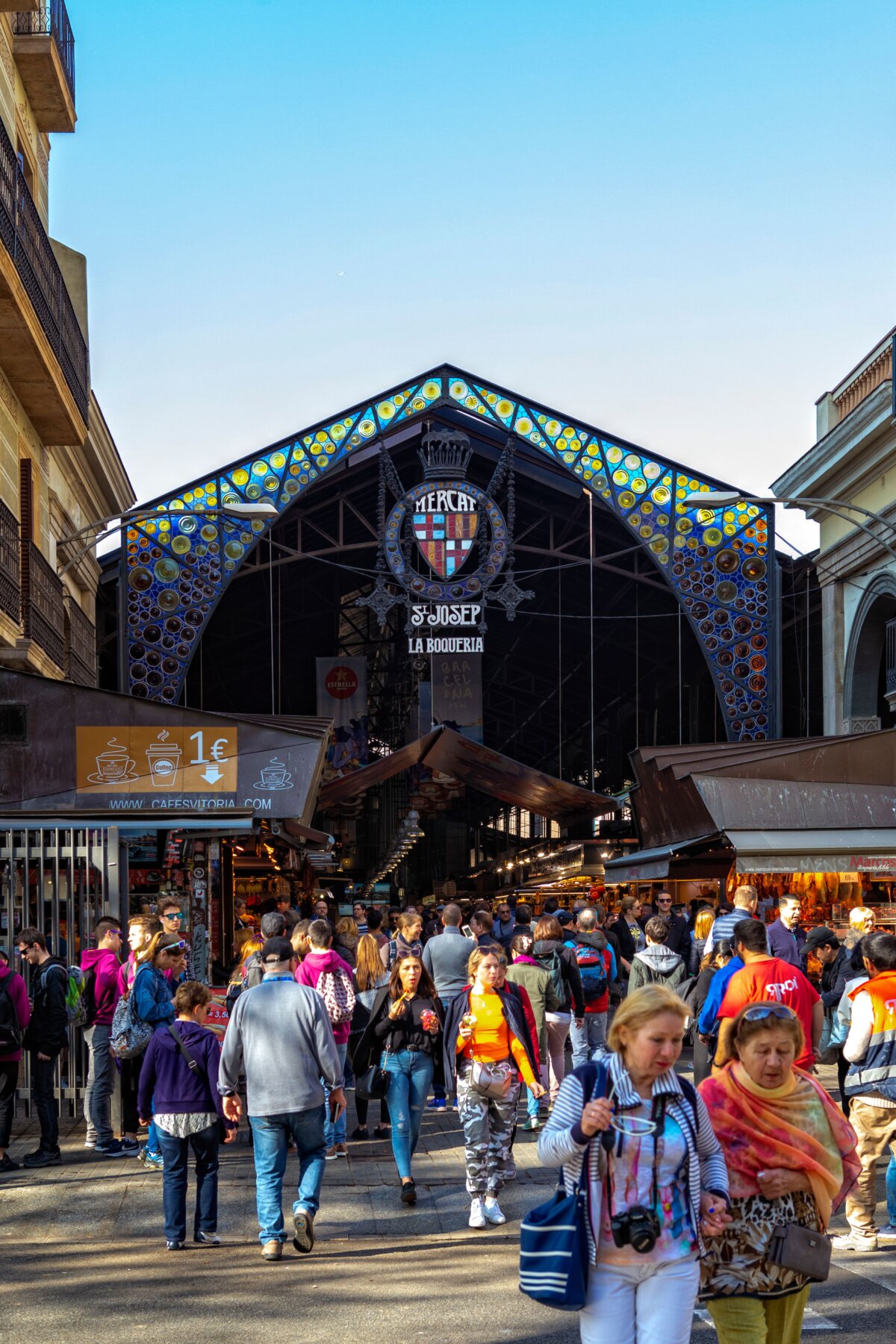
Along the way, take in Gran Teatre del Liceu, the city’s main, historic opera house, as well as the Baroque and rococo Virreina Palace. Just as noteworthy, in my opinion, are the flower stalls, street performers, and overall feel of vitality of La Rambla. A quick trip to La Boqueria, more than halfway up the boulevard toward the Plaça, is also mandatory.
People have been shopping on this spot since the 1200s. The current structure of this huge, famous indoor market, formally known as Mercat de Sant Josep de la Boqueria, opened in the middle of the 19th century. Browse hundreds of stalls offering fish, meat, cheese, and produce. Then head for friendlier, less harried places to fill your basket with freshness.
Little Markets
In North America, it’s the norm to make a big weekend Costco run, returning home to load up the chest freezer and double-door refrigerator with food and drink that will last for days and days. But Barcelonians, like many other urban Europeans, take a very different approach. They have small kitchens and value daily variety and local sourcing; as a result, they frequent dozens of smaller, local markets across the city.
These are absolutely worth visiting, even if you don’t need to do any grocery shopping. Many were built during the boom of the Industrial Revolution, bringing scattered, unsanitary street markets into culinary temples of iron and glass at the heart of each neighborhood. Two standouts, in my opinion, are Mercat de Sant Antoni and Mercat de Santa Caterina.
The former is set among the “super-blocks” of the planned, purpose-built Eixample District, which attract residents to raucous and delicious sidewalk cafés. Sant Antoni is arguably the handsomest and best preserved of all the wrought-iron mercats. Little chalkboards announce the villages where sellers sourced many of the products being sold inside. The main market closes its doors on Sunday, but you won’t want to miss the booksellers gathering just outside for one of the best open-air literary markets you’ll find anywhere.
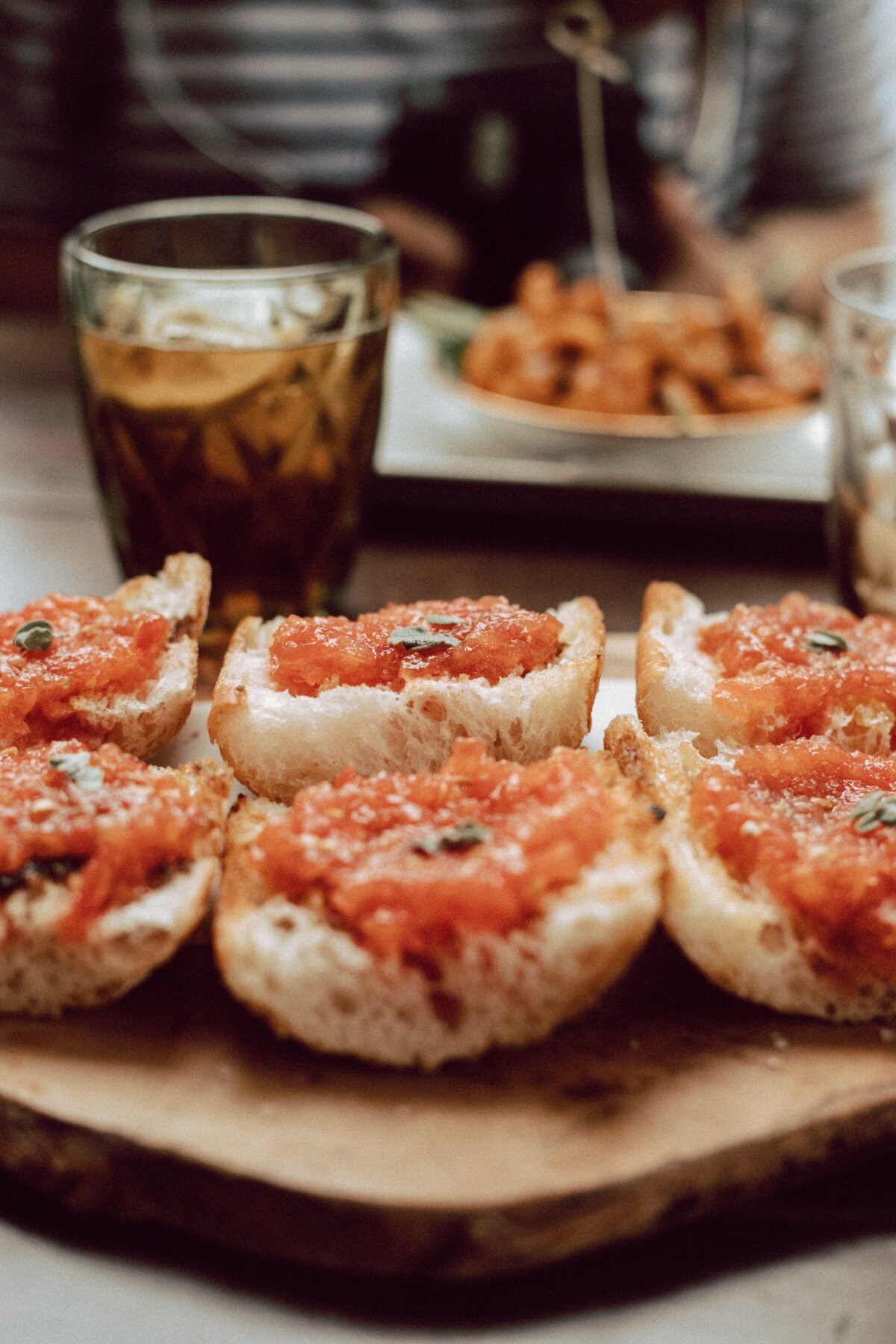
Santa Caterina is much-adored, with good reason. Bright, ceramic tiles form a cheerful mosaic on its undulating canopy roof. Under it dodge elderly women from nearby apartments—each of them on a culinary mission, often pulling little carts—to find lunch. Grab some fresh-baked bread and thinly sliced jamón and head to a local park for a picnic. Or just pull up a stool at one of the restaurants inside for tapas and perhaps an early glass of cava.
A Visit to Camp Nou
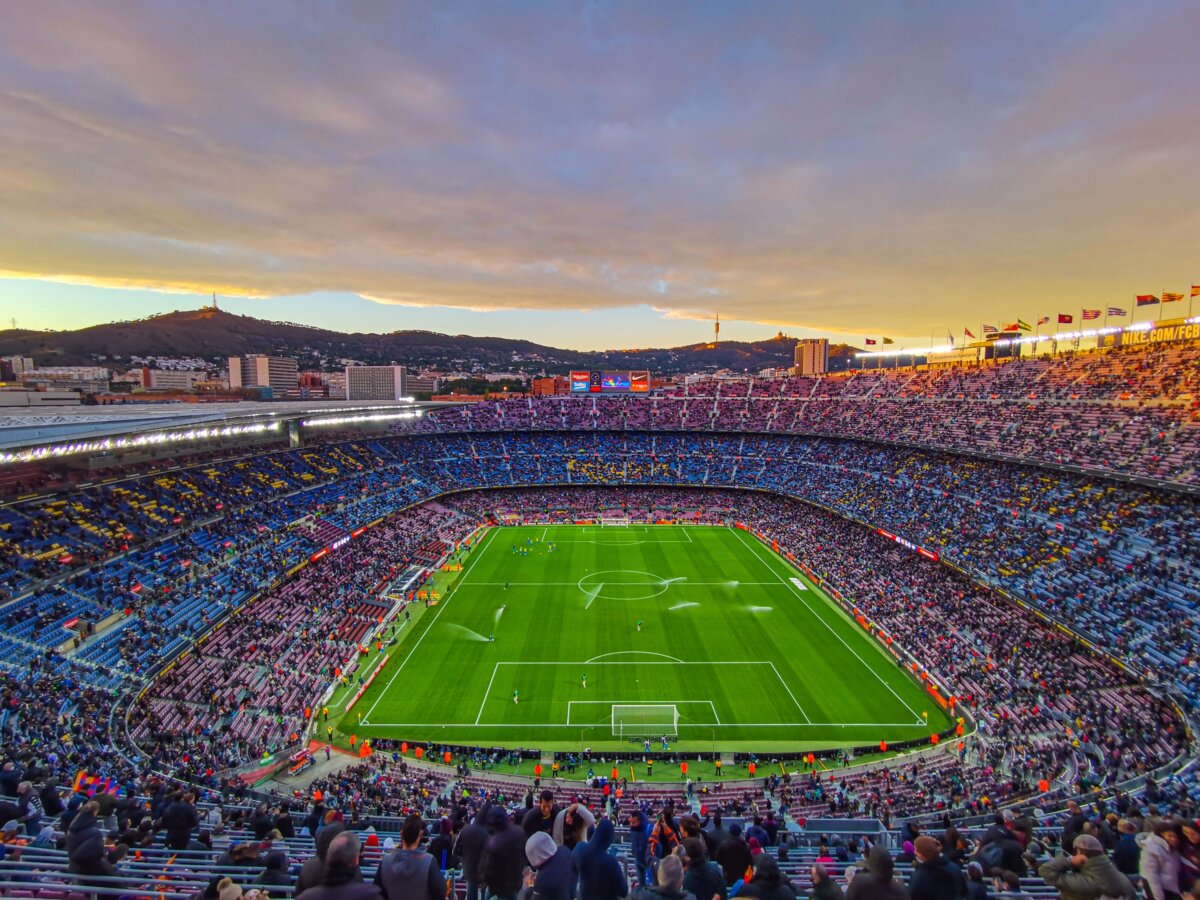
I’m an enthusiastic advocate of the philosophy that there’s no better way to experience pure, local passion than to attend a sporting match.
Whole books have been written about the much-beloved Futbol Club (FC) Barcelona. Since its founding back in 1899, the team has consistently triumphed, winning a total of 29 national La Liga and five UEFA Champions League titles. They’ve also had some of the finest players on earth don their blue-and-maroon striped jerseys, from Brazil’s Ronaldinho to Argentina’s Lionel Messi (who might just be the greatest of all time).
But a journey out to the coliseum of Spotify Camp Nou, their home stadium, is about more than the game. Indeed, Barça’s official motto is “Més que un club”: in English, “more than a club.” A few years ago, I hopped on the Metro to attend a fairly insignificant evening contest against La Liga foe Villarreal.
The atmosphere, as I ascended to street level and approached the towering tiers of Camp Nou on foot along Travessera de les Corts, was nonetheless electric. No cornhole or barbecues or tailgate here. Instead, “Culés,” the nickname for the team’s passionate supporters, packed tiny bars all along the way for loud and boisterous pregame festivities.
Barça’s matches have often served as substitutes for battles for Catalan independence. This is especially true when they play Real Madrid, the symbol of the centralized power of Castilian Spain. On the night I sat in a seat high up at Nou and surveyed the scene, the Estelada, the unofficial flag of the Catalan independence movement, was everywhere.
Before play began, fans joined in the singing of “Cant del Barça,” the club’s anthem. It includes lines like “we have shown that no one can ever break us” and concludes with an enthusiastic “Barça! Barça! Barça!” Politics aside, chanting it alongside true Culés was an experience I’ll never forget.
Escape to Montserrat
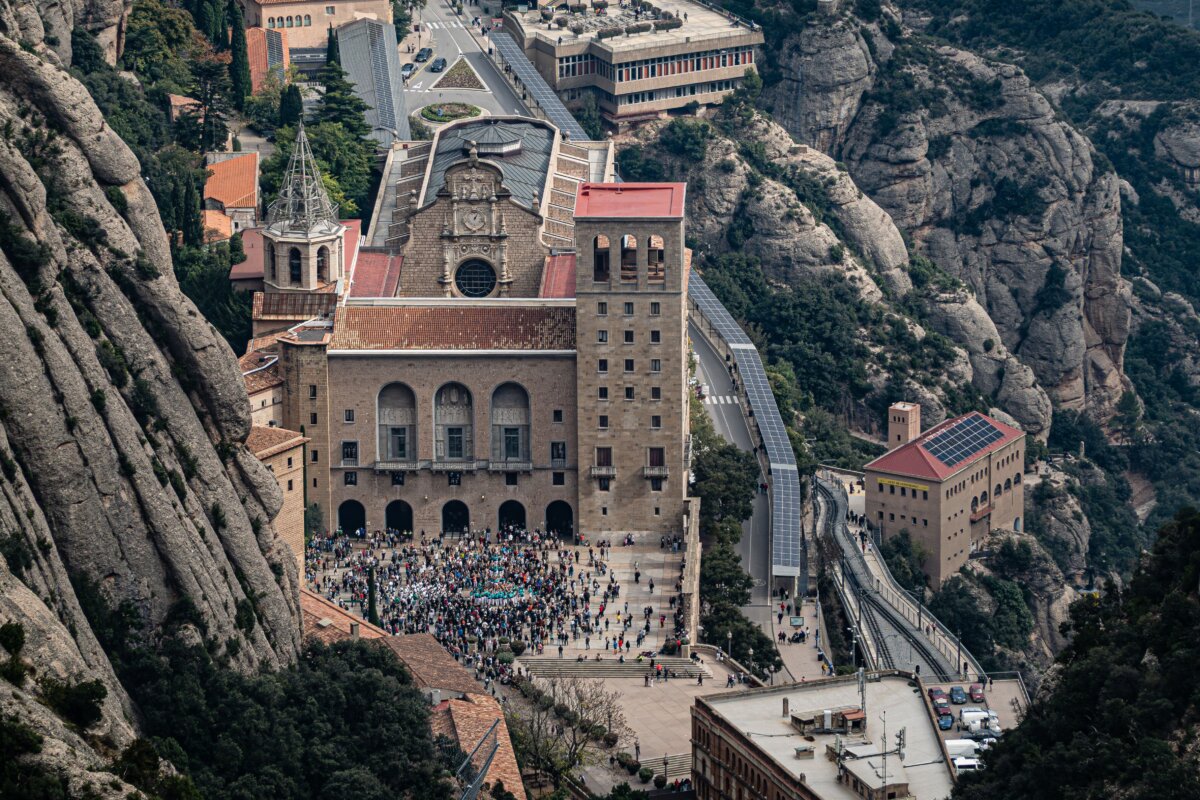
When the hustle and bustle of Barcelona becomes a little too much, take a half-day excursion up into the mountains. It’s a short trip by train right from Plaça d’Espanya, followed by a spectacular cable car ride that will take you to a Benedictine monastery encircled by jagged peaks rising thousands of feet above sea level.
Marvel at the 12th-century Black Madonna, or visit the museum. For a little more fresh air, hike in the surrounding nature park. It’s a nice little easy getaway to what, to me, always feels like a remote mountain town. Meanwhile, the lights of Barcelona await you down the slopes, enticing you toward an evening of excitement.
