



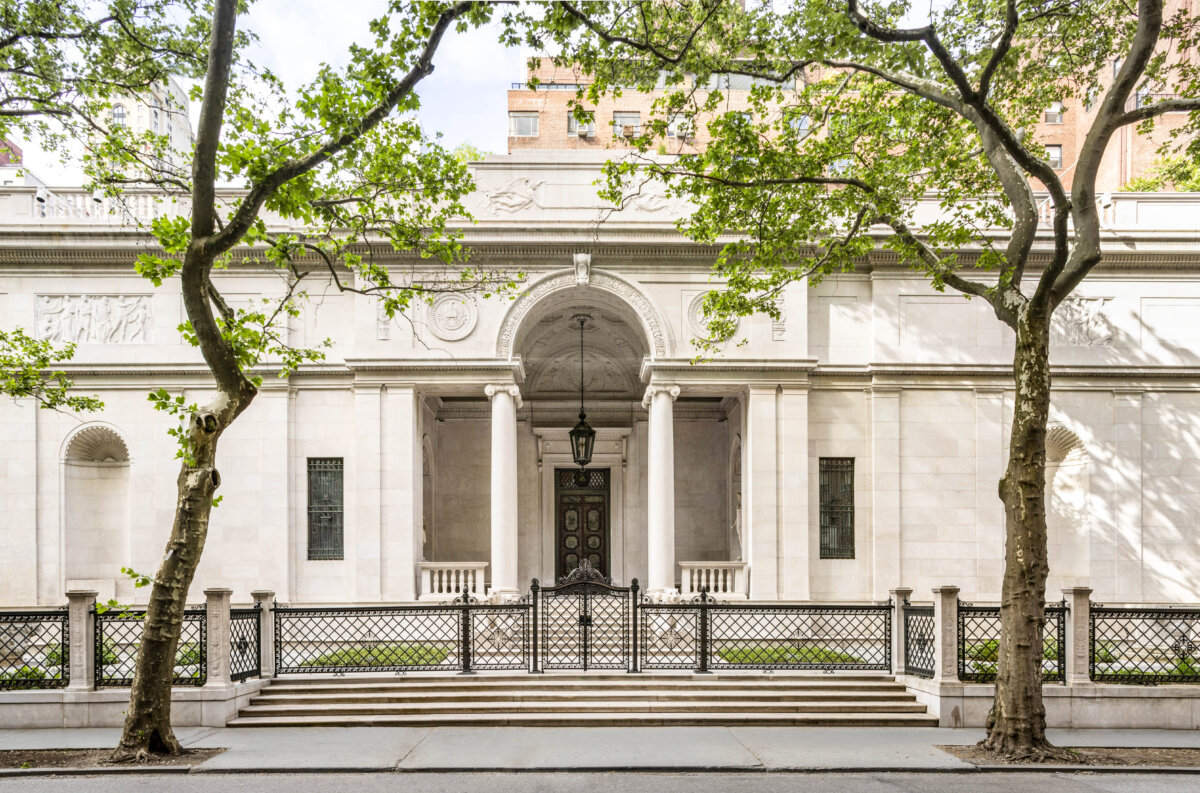
One of the wealthiest Gilded Age Americans, J.P. Morgan, sought the era’s most respected architectural firm to design his private showcase library in Manhattan. That firm, McKim, Mead, and White, had already designed such stately structures as New York City’s Pennsylvania Station and the Brooklyn Museum.
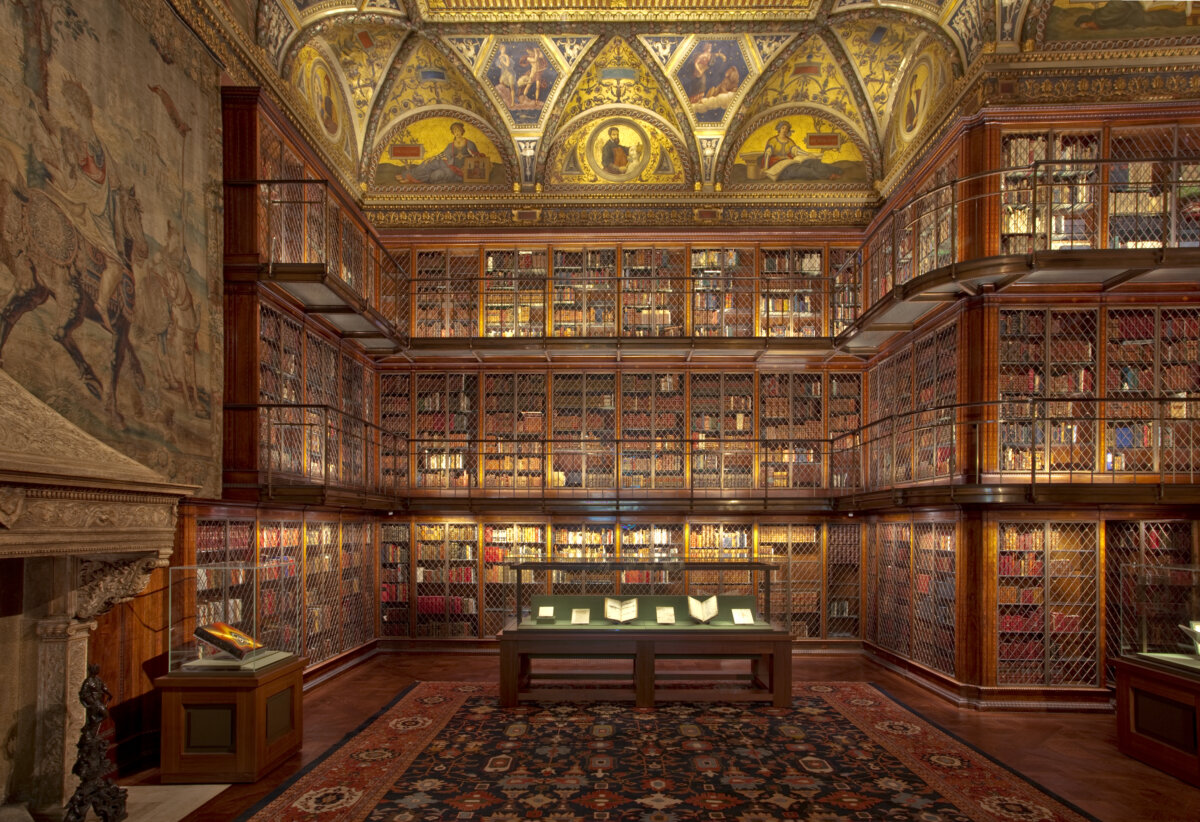
In 1902, the firm’s co-founder, architect Charles McKim, answered Morgan’s request by designing a “gem” of a structure” where the affluent banker could house his vast collection of rare books, art, manuscripts, and stained glass. Before his library was built, Morgan stored much of his vast collection in his basement. During construction from early 1903 to December 1905, Morgan acquired 200 more cases of books.
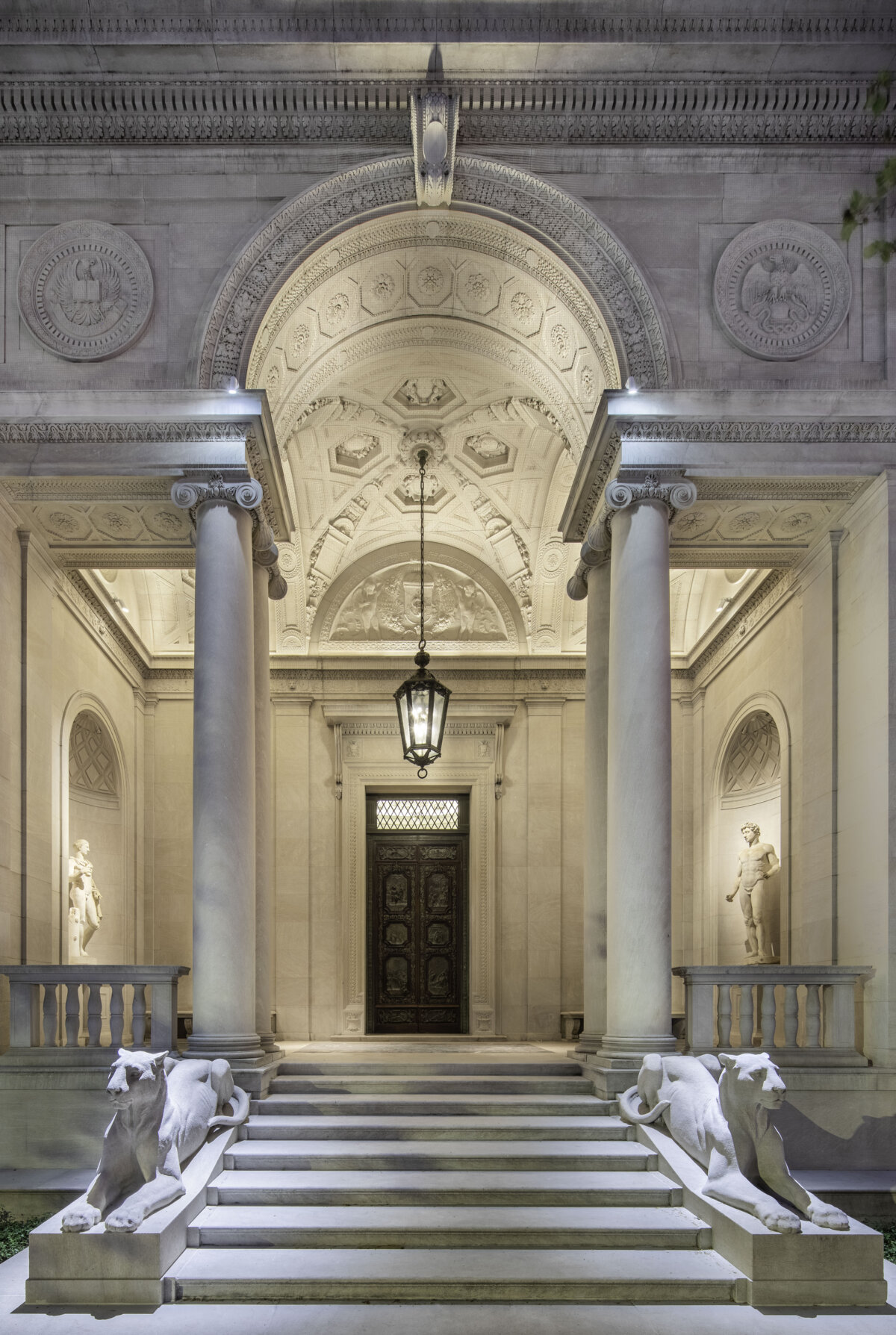
The building was constructed of pinkish-gray Tennessee-quarried marble using a classical Greek masonry technique (anathyrosis), in which blocks were joined with dry-stone construction, with little to no mortar. The library is situated on property Morgan purchased on the east side of where his private residence once stood. The cost of the building in the early 1900s was just over $1 million dollars—more than $40 million today.
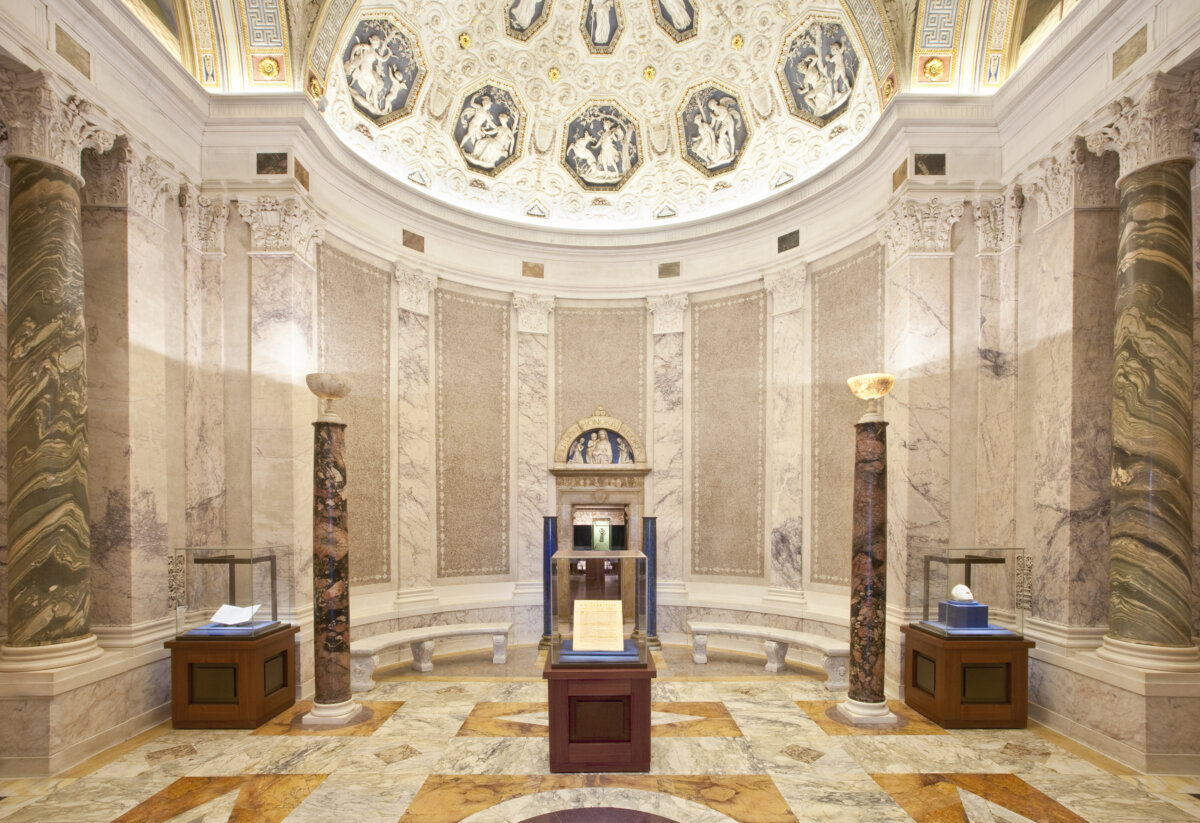
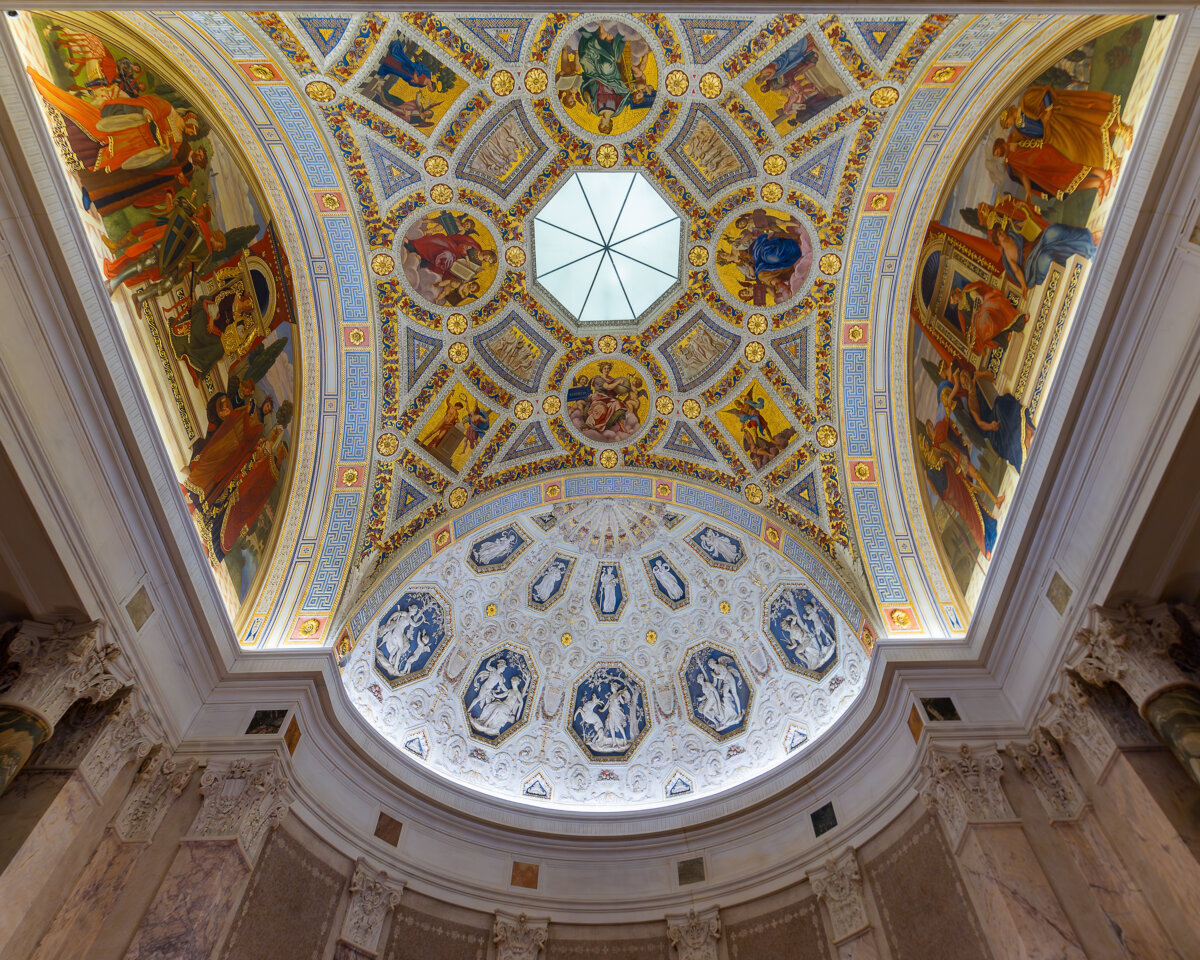
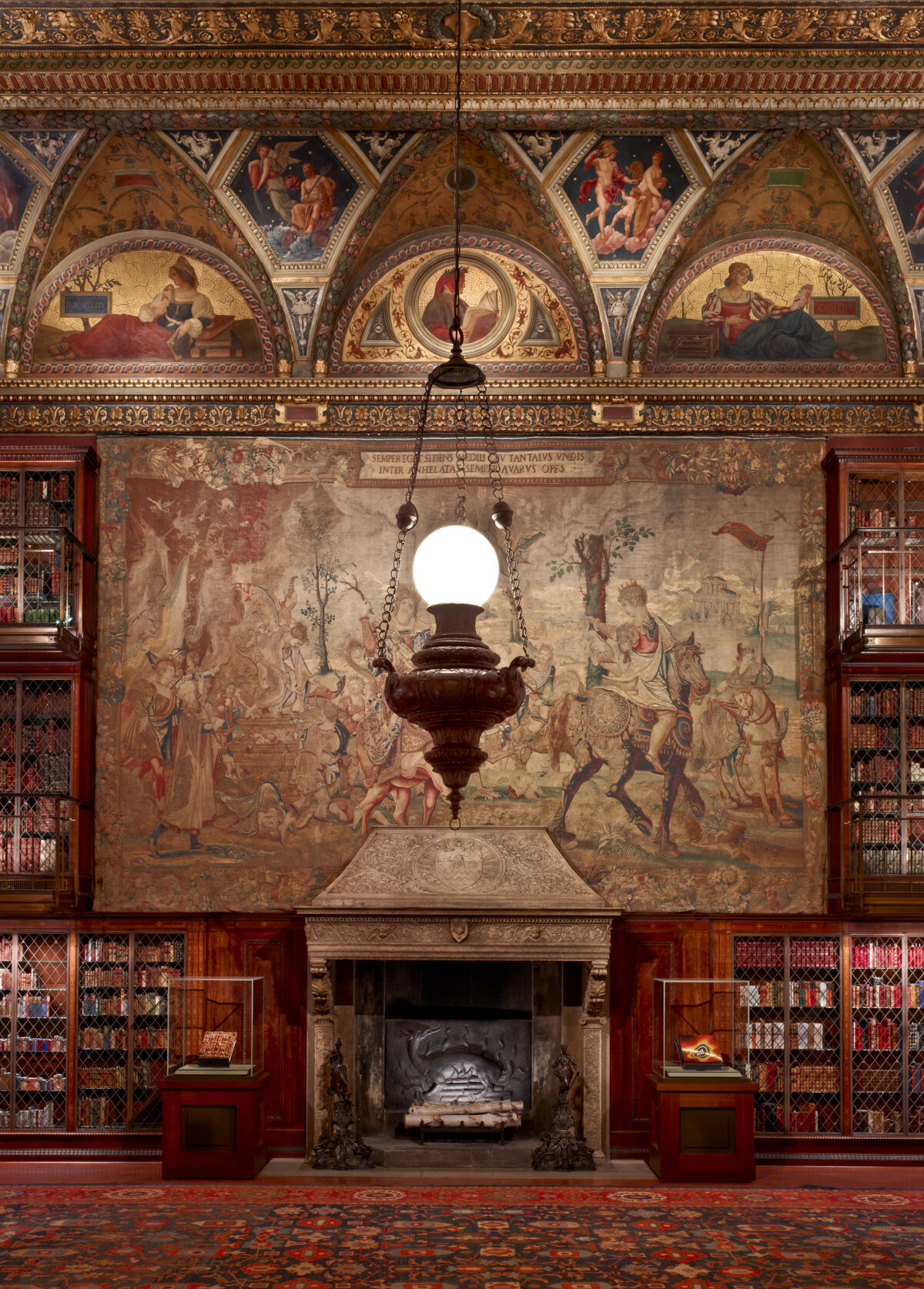
The library was initially a smaller palazzo-style building that incorporated Italianate symmetry and classic Roman design elements such as arches, columns, and domed ceilings.
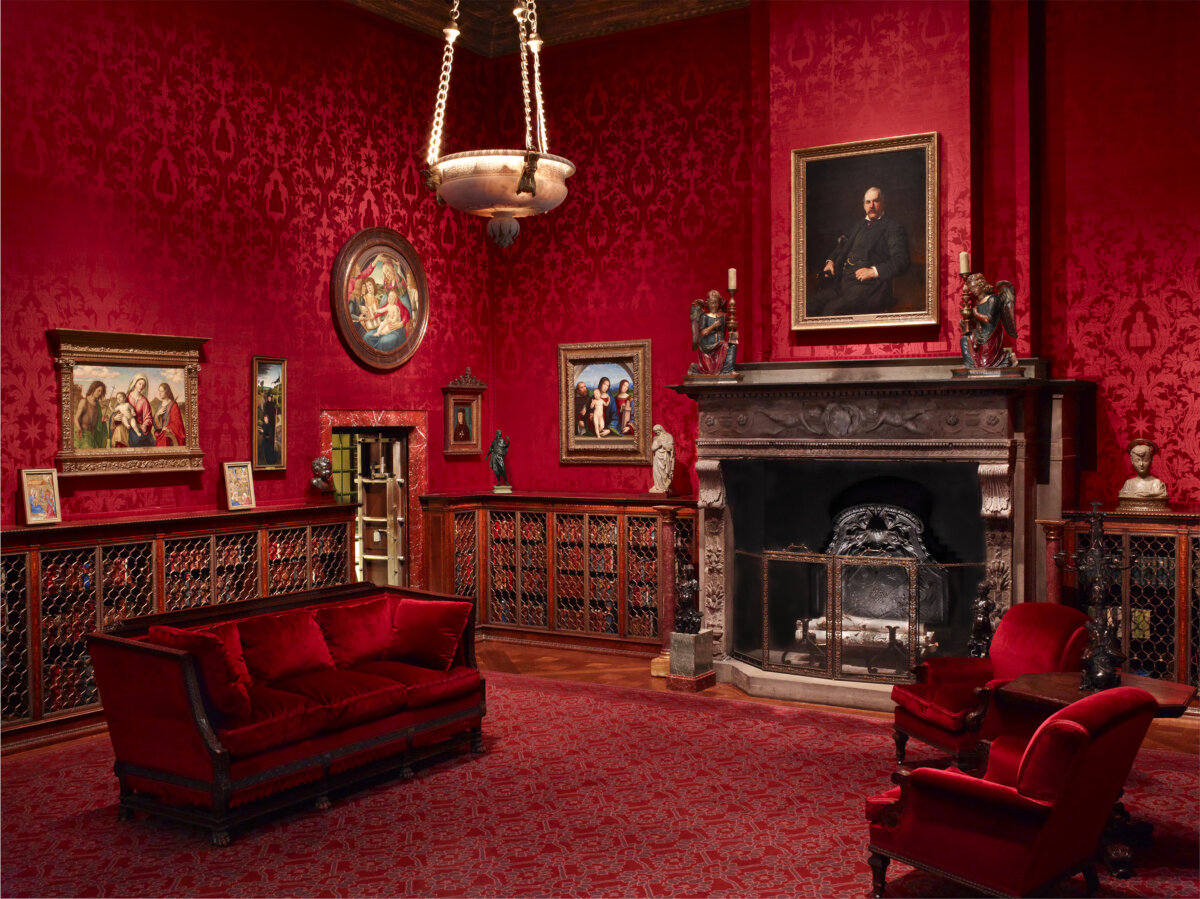
Eleven years after Morgan’s death in 1913, the library became a public institution. The original 14,700-square-foot building was expanded, with an annex constructed where Morgan’s house, demolished in 1928, once stood. In 1988, the brownstone owned by Morgan’s son, J.P. Morgan, Jr., was also integrated into the overall Morgan Library, followed by a garden created in 1991 to connect the buildings.
Over the years, the library has obtained and exhibited hundreds of illuminated manuscripts, early printed Bibles, signed copies of famous books, musical manuscripts, and rare documents, such as an original print of the Declaration of Independence. Individuals not only visit the library to view its awesome architecture, art, and antiques, but also to conduct research and attend lectures.
An interesting historical tidbit is that, Belle da Costa Greene, the personal librarian Morgan hired to oversee and maintain his collection, remained at the library for four decades.
What arts and culture topics would you like us to cover? Please email ideas or feedback to features@epochtimes.nyc.
