



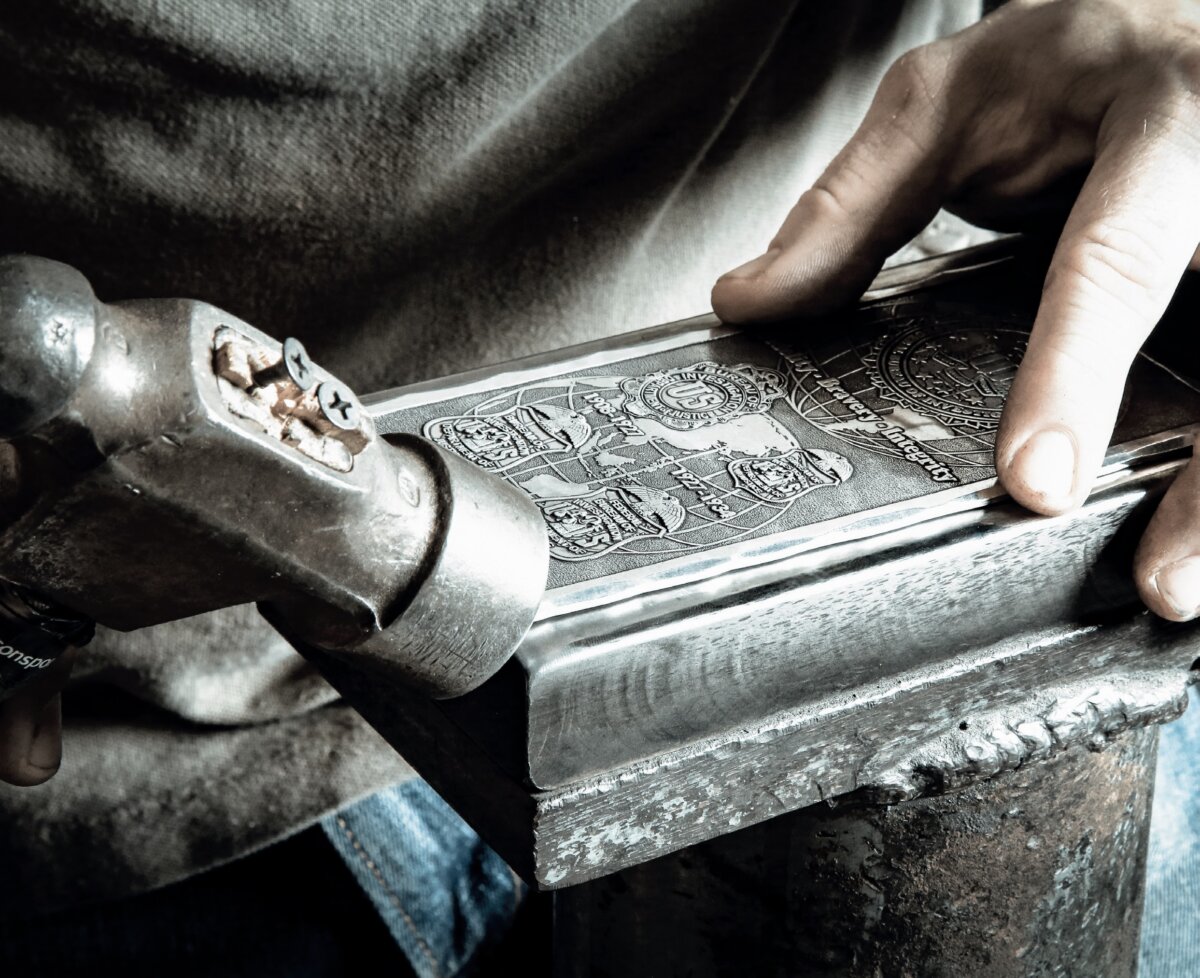
Few things escape change. Yet Wendell August Forge, located about an hour outside Pittsburgh, has been using the same process to create unique metal wares since the early 1900s. Each Christmas ornament, custom plate, America 250 memento, and decorative bookmark is crafted using techniques established when the company was founded.
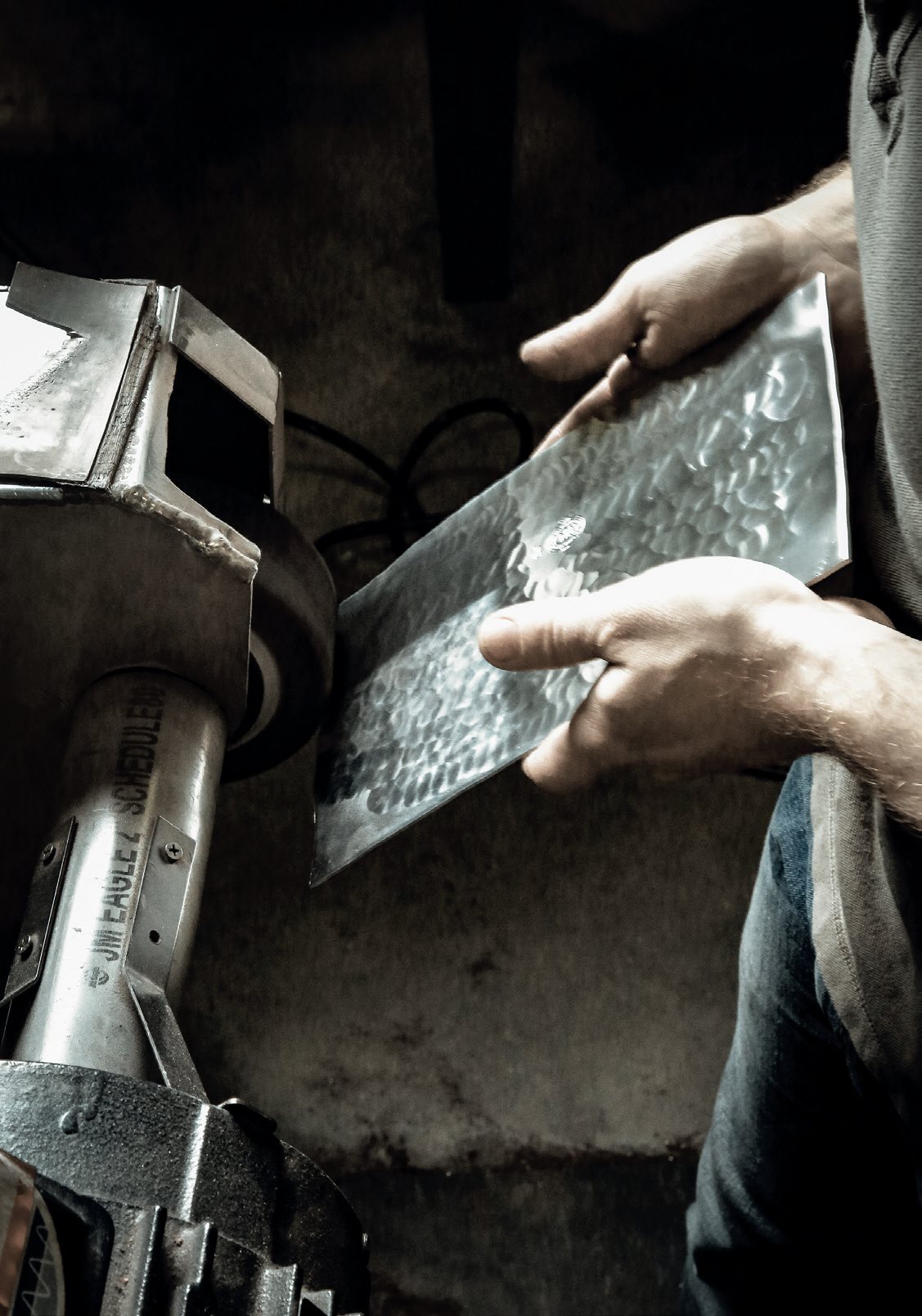
Generations of individuals own Wendell August Forge items handcrafted by the company’s skilled artisans. The process begins with a hand-engraved die, which is the piece of steel that a master die engraver carves art into. Then, aluminum or bronze is hand-hammered into the original die, hand-edged with a hammer to create a unique border, and finally hand-polished. Many employees have spent their entire careers at the company, and some pass down their love of artisan skills to the next generation, who enter into apprenticeships.
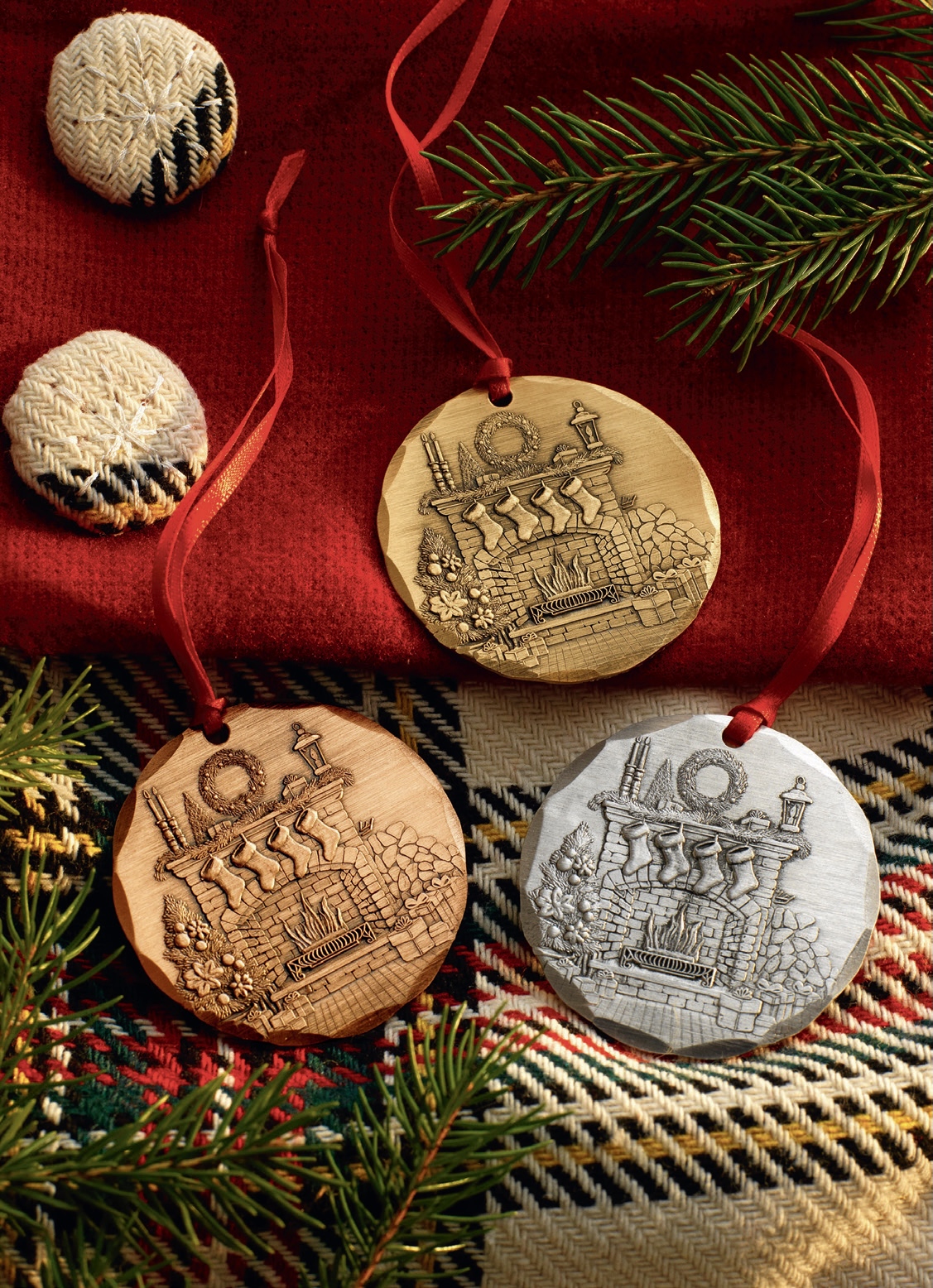 Wendell August Forge’s special edition Christmas ornament for 2026 depicts a cozy holiday hearth. (Courtesy of Wendell August Forge)
Nine years later, they established a dedicated metalworking factory in a small building with a handful of employees. Today, dozens of artists, metalsmiths, and engravers ensure that the legacy of Wendell August Forge endures.
The History Continues
Transitioning from coal mine owner to overseeing the making of practical and gift items came at a good time. Coal mining had taken a hit due to the Great Depression, so August concentrated instead on working with iron and then with aluminum, which was easier to manipulate.
Initially, money makers for Wendell August Forge were architectural commission items, such as gates and elevator doors. Leftover metal scraps were crafted into smaller pieces and presented to the presidents and CEOs of the companies commissioning the jobs. However, by the mid-1930s, giftware became the main focus. Also, specialty pieces to present as awards or to commemorate an event or historic milestone—such as for the Hindenburg’s 1936 “Millionaire’s Flight” over England—became sought after.
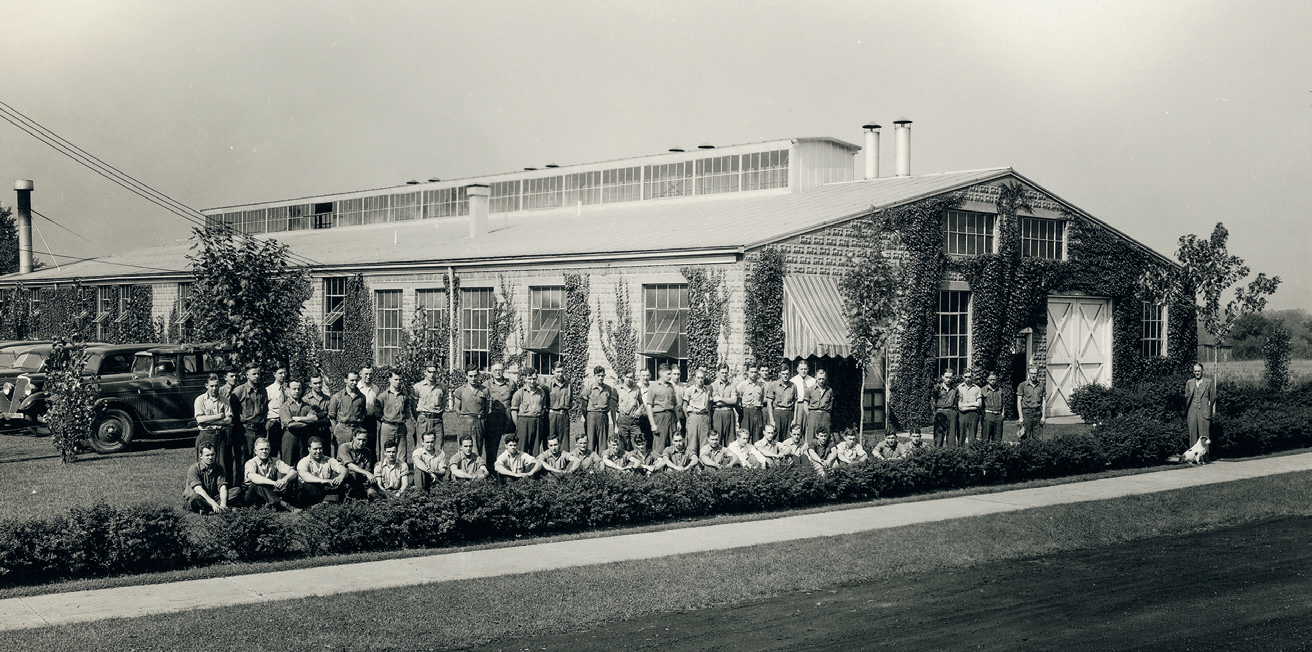 A historic photo of Wendell August Forge staff during the 1930s. (Courtesy of Wendell August Forge)
After August died in 1963, his son Robert took the helm. He propelled Wendell August Forge into the retail realm by opening a gift shop in Grove City, Pennsylvania, where the factory was once located. Presently, the gift shop and a company history center remain in Grove City, while 7 miles away, in Slippery Rock, Pennsylvania, is the company’s factory and distribution and shipping center.
In the late 1970s, with no heirs to whom he could pass the company’s torch, Robert sold the business to Frank William Knecht III, whose IBM marketing and sales experience boosted the company’s offerings even further. “He took inspirational, holiday, and special occasion items to a collectibility level,” current owner Christian Werner explained. Eventually, the business was passed down to Knecht’s son, Frank William (Will) Knecht IV.
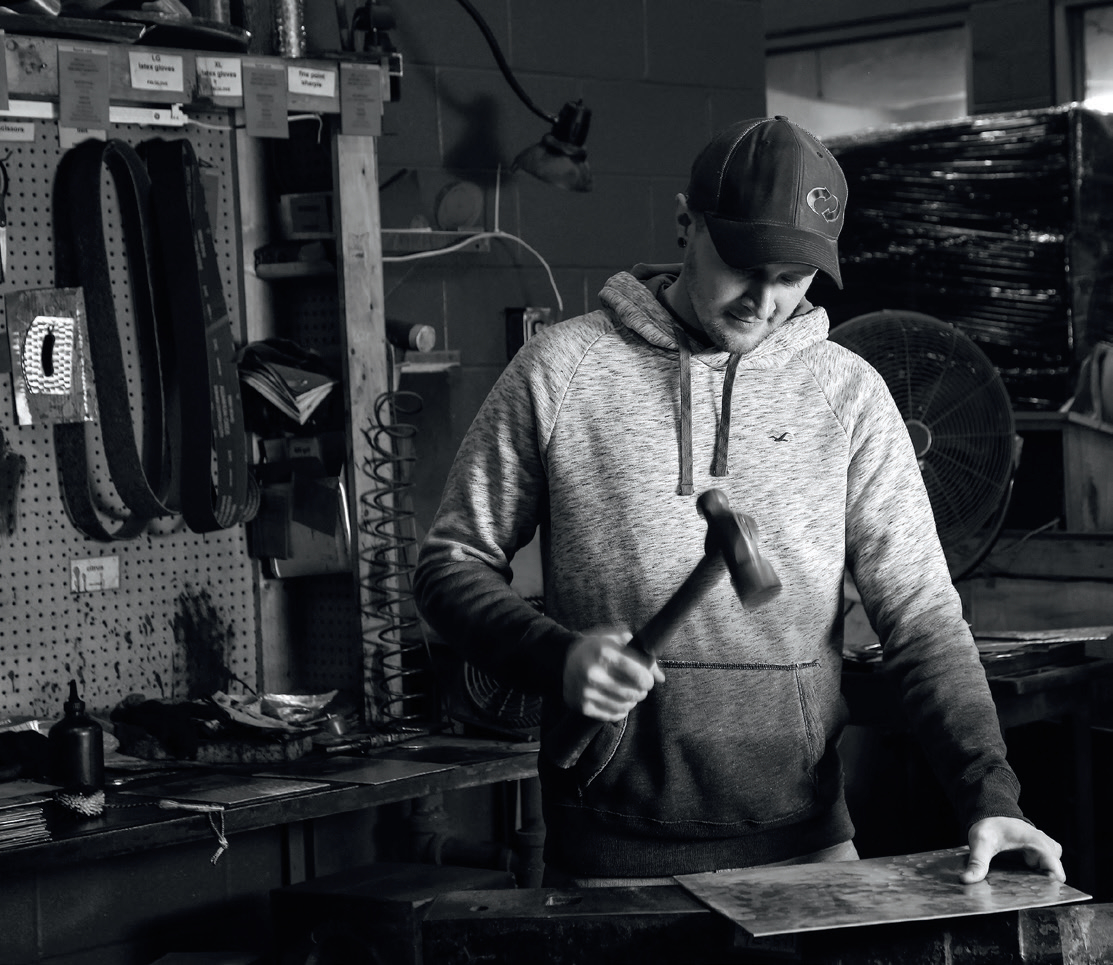 The entire production process involves artisans working by hand. (Courtesy of Wendell August Forge)
American Story
Prior to joining Wendell August Forge, Werner and his wife, Susan, and family of three children lived in Charlotte, North Carolina, where he owned a mortgage company and a property investment company. It was in Charlotte that Werner met someone at a Bible study who told him about the forge. “He had grown up with Will [owner of Wendell August Forge], and he told me I should meet him,” Werner shared with American Essence. “He thought we had much in common.” Werner quickly developed a strong friendship with Will Knecht, but it was when Werner was invited to the forge’s factory that his life changed. “I was like, ‘Wow, how is this not a household name nationwide?’ … Men and women were forging pieces one at a time. Each piece has … an iconic touch mark, like a signature, to indicate what era it was produced and who the artisan was.” He added, “I was just so impressed by the entire process—a raw piece of metal becoming an heirloom-quality, beautiful item.”
Werner decided he wanted to be a part of the Wendell August Forge story in 2009. He began overseeing strategic planning and wholesale for the company and its custom products division. He became its part owner nine years ago and full owner two years ago.
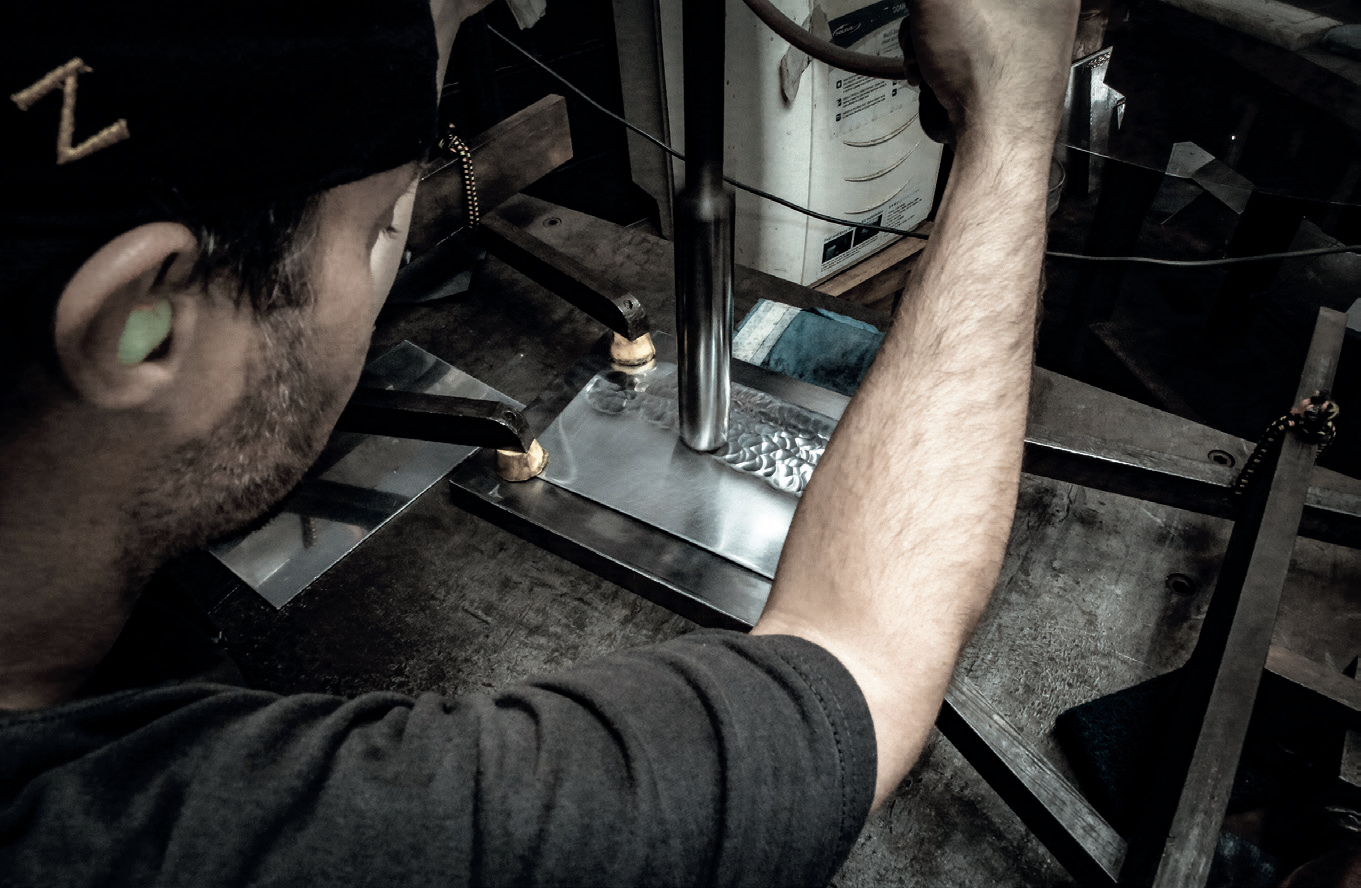 An artisan hammers a design in metal. (Courtesy of Wendell August Forge)
Tangible Commemoration
A collector himself, primarily of baseball cards, Werner determined that the collectibility of the forge’s products was one of its most valuable assets. In 1980, Frank William Knecht III’s wife, Connie, had the idea to release a collectible annual Christmas ornament. It has since become a customer favorite. The forge also makes items for the White House, Disney, sports teams, and individuals seeking custom-made family heirlooms.
Before any of the handwork with the metal happens, talented artists create unique designs for each client’s needs, whether an individual or a large organization. “Their artistry is the foundation of every piece we craft,” said Werner.
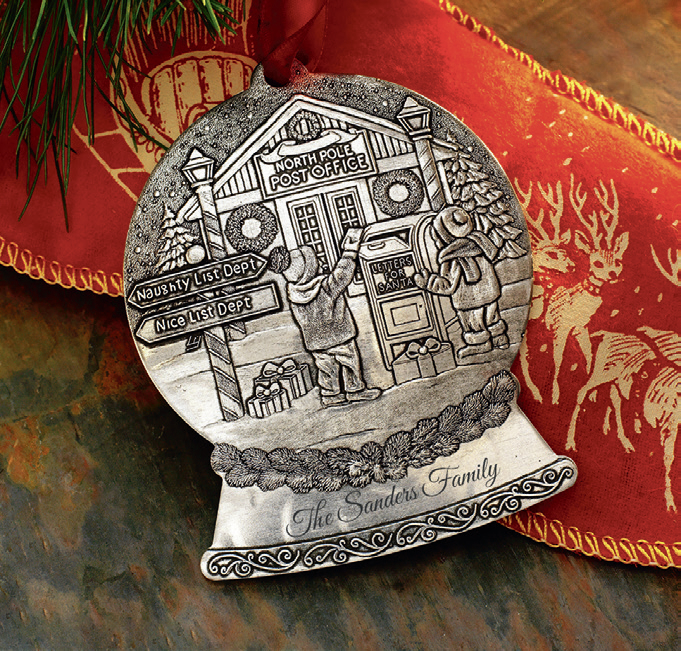 A snow globe-shaped ornament depicting the North Pole Post Office. (Courtesy of Wendell August Forge)
Wendell August Forge has created special commemorative tickets for sports events, and it offers a host of items, such as charcuterie boards, coasters, ornaments, clocks, and more, for college, university, and NFL teams. In 2025, the company filled its largest order to date. Another century-plus-year-old American business, Caterpillar, requested that the forge create gift options for its 100,000-plus employees.
 (Courtesy of Wendell August Forge)
The same is true with momentous occasions, such as this year’s 250th anniversary of America’s founding. Gold- or silver-plated limited edition ornaments include a certificate of authenticity signed and numbered by Werner.
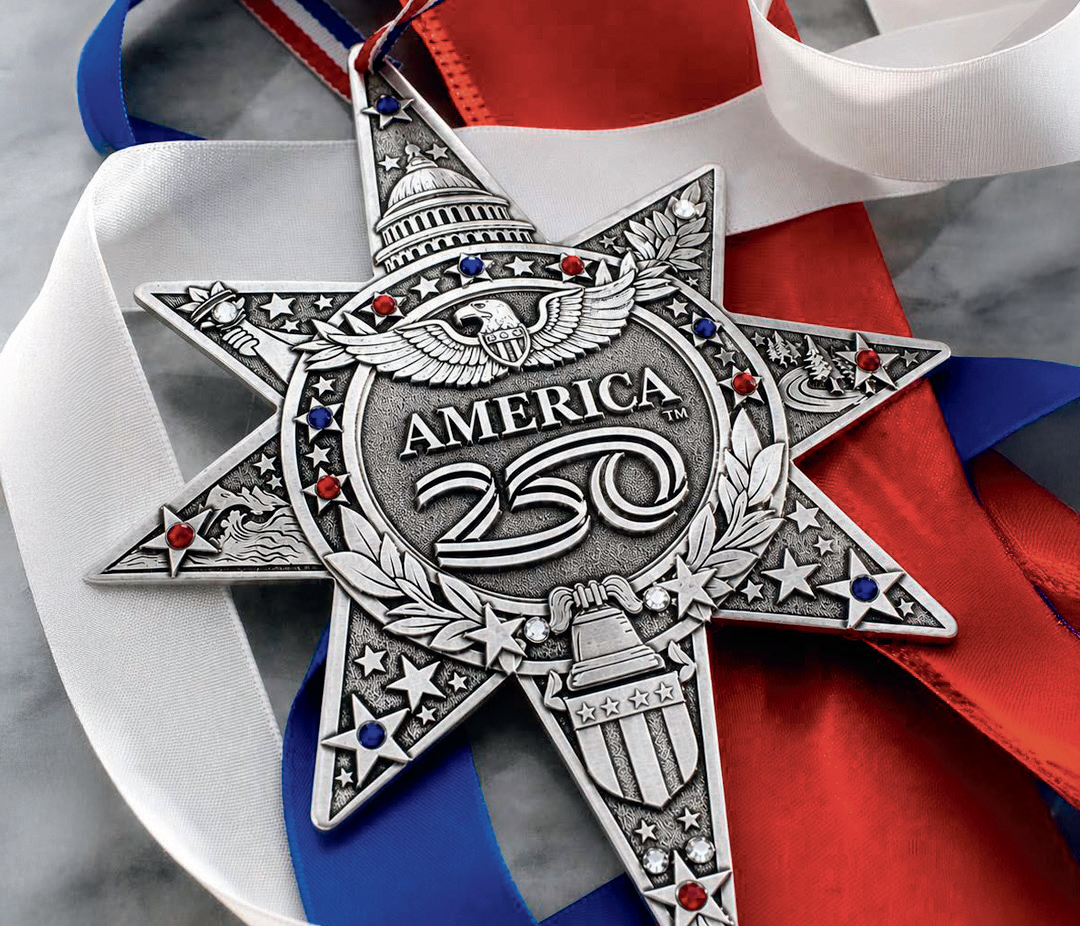 This year, the forge made a number of commemorative items celebrating America’s 250th birthday. (Courtesy of Wendell August Forge)
This article was originally published in American Essence magazine.
