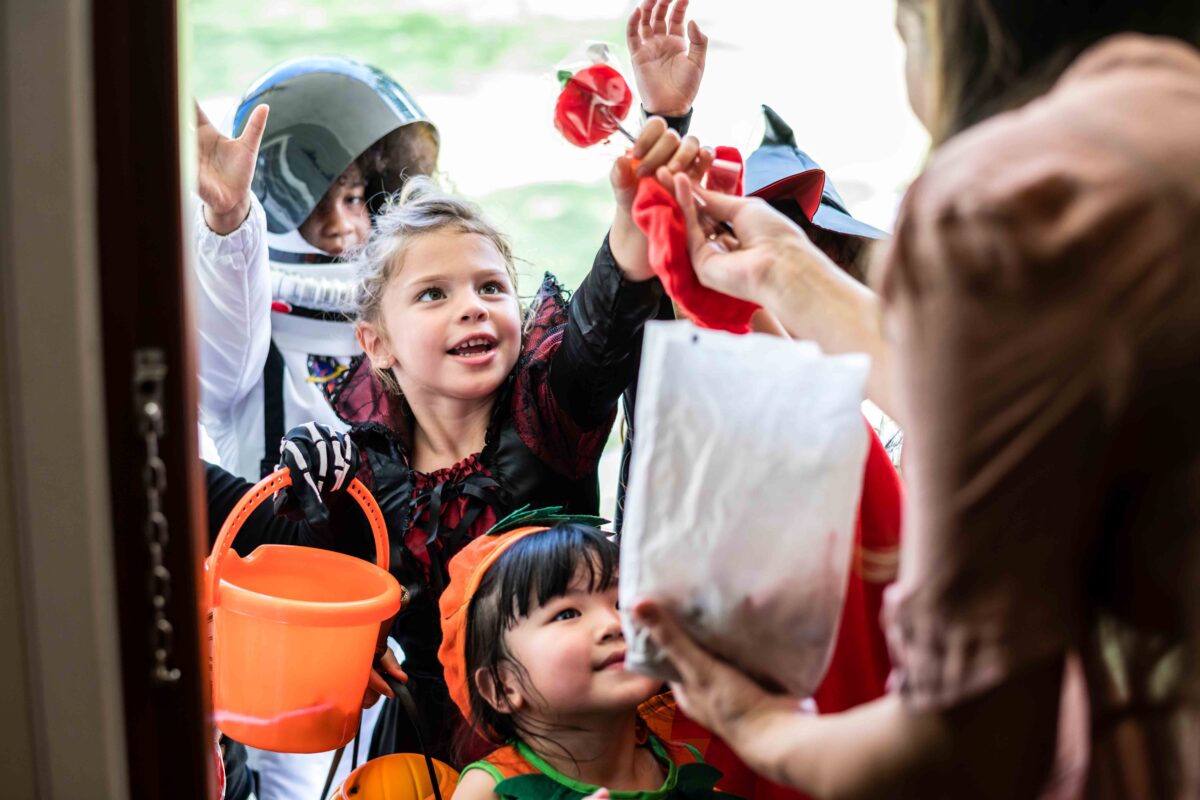
Candy and trick-or-treating are as synonymous with Halloween as toys and Santa Claus are with Christmas.
Halloween is the biggest holiday for candy sales annually with 96 percent of shoppers expected to buy sweet treats for neighborhood trick-or-treaters. In 2026, Americans are estimated to buy $4.1 billion worth of candy.
Every year, shoppers see shelves stocked high and wide with Halloween candy the day after Labor Day, but that wasn’t always the case. During World War II, international events strictly curtailed sugar imports. This had a devastating effect on candy manufacturers and seasonal commercial production of Halloween candy.
Sugar, an Early WWII Casualty
Sugar experienced a two-pronged attack during WWII. When Japan attacked Pearl Harbor in December 1941, the United States was quickly cut off from its Philippine and Hawaiian sugar supply in the Pacific. Likewise, sugar imports from Puerto Rico and the Dominican Republic were impacted by the threat of German U-boats in the Atlantic and Caribbean waters.
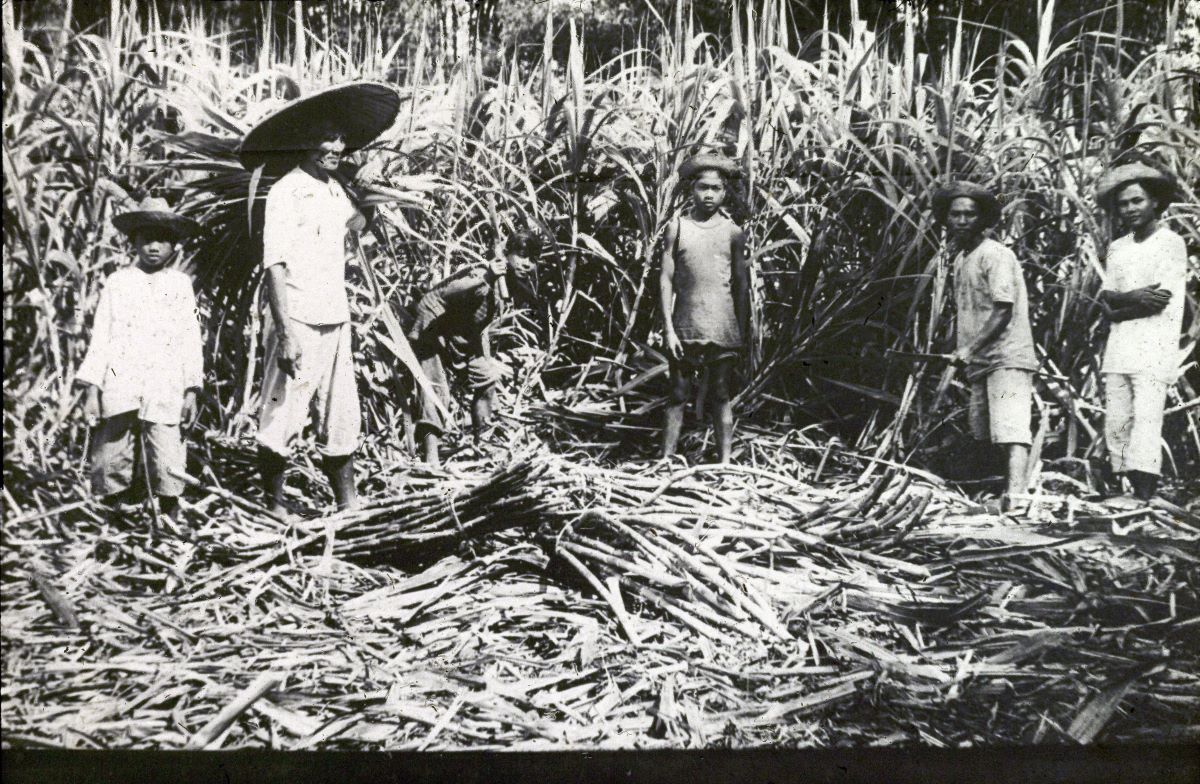
Other factors causing a shortage of sugar were a lack of agricultural workers who left to fight, poor weather in Puerto Rico, a fertilizer shortage, and a Lend-Lease Agreement signed by Franklin D. Roosevelt in 1941 provided sugar, food and other materials to Allies before the U.S. entered the war.
Sugar was in such short supply that sales were halted until the federal government could set up a rationing system, making sugar the first food to be rationed.
When the sugar rationing system was initiated in May 1942, households were limited to 26 pounds of sugar per person over a 56-week period, half of the sugar normally purchased.
As the war progressed the sugar ration was further reduced annually to 20 pounds per person in February. In May it was slashed even further to 15 pounds per person. Those limits crippled the candy-based holidays like Halloween and Christmas.
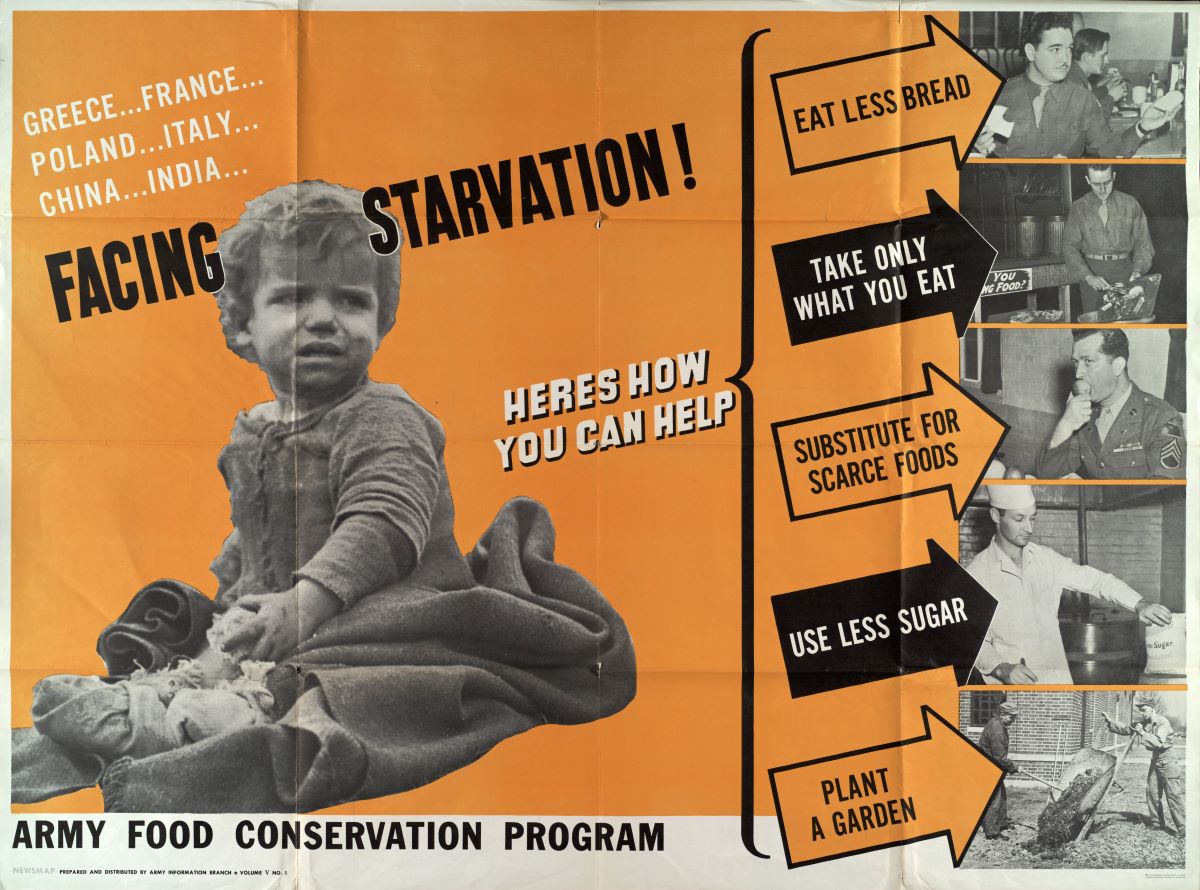
Americans Get Creative
Further stressing the holiday candy supply, M&M’s candies, first introduced in 1941, were sold exclusively to the military during World War II because they were better suited for travel and sporadic temperature changes troops endured.
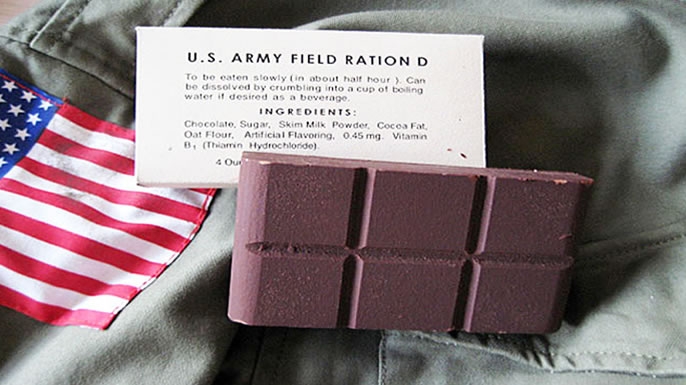
Tootsie Rolls were included in government rations because they were individually wrapped and resistant to melting. Other candies like Life Savers and mints were saved by citizens to be sent to soldiers. Saving candy to send to troops was considered patriotic, and using sugar alternatives or preparing food and desserts without sugar during wartime was viewed as pitching in to help the country.
Trick-or-treating continued during the war, but instead of candy, “treats” often consisted of peanuts, coins, small toys, or fruit. However, some homeowners found creative ways to sweeten their handouts with homemade treats made with sugar substitutes.
Children were often treated to popcorn balls cured with corn syrup and spiced cookies sweetened with honey, corn syrup, or molasses. Other households used fruit to sweeten homemade treats like applesauce in baked goods or raisins for cake frosting.
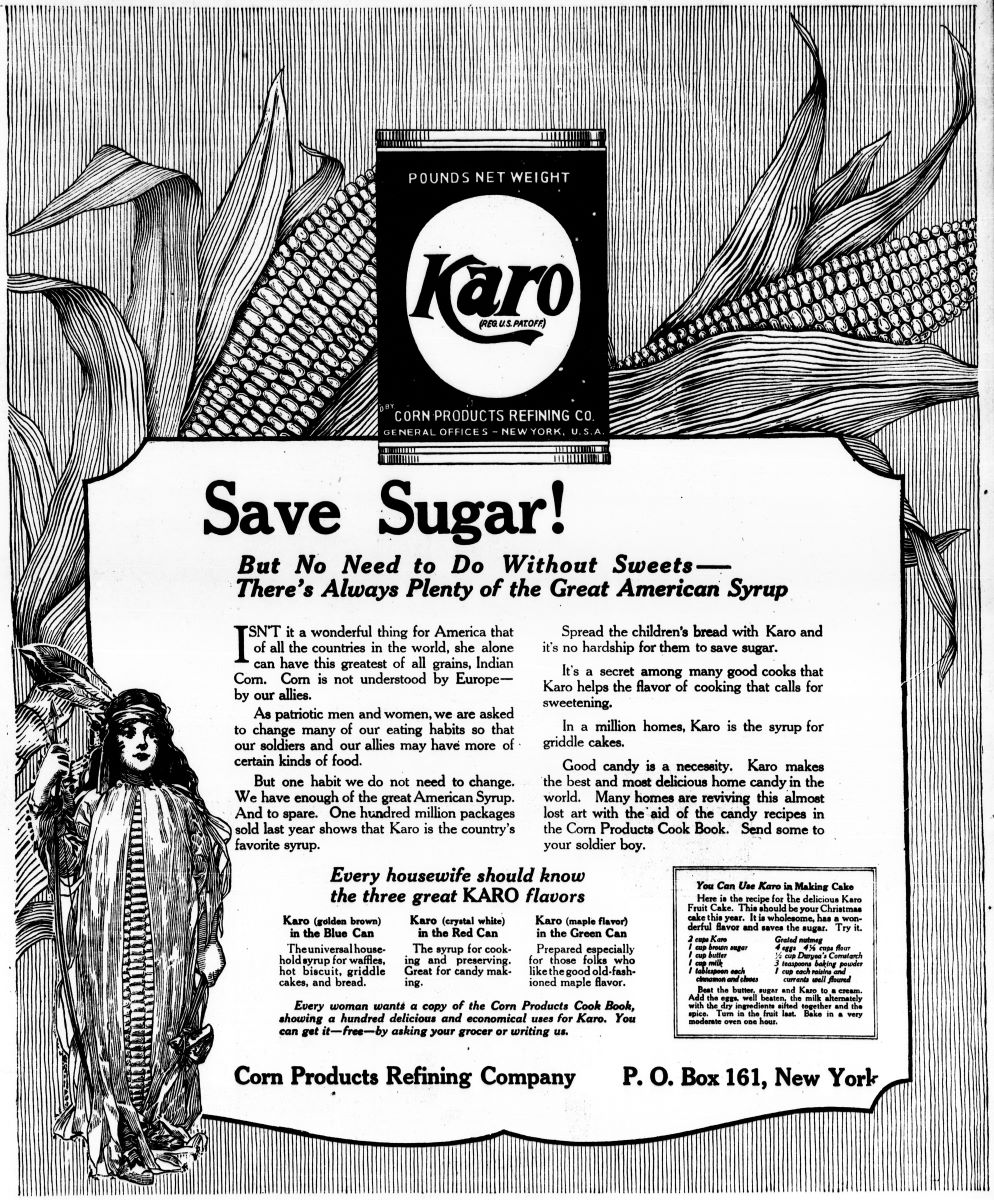
Newspapers also did their part by publishing ration-friendly recipes that included sugar substitutes like condensed milk or syrup. A popular Halloween treat shared with Pittsburgh Press readers was “Black Magic Chocolate Tarts” made with unsweetened chocolate and sweetened evaporated milk. Homemade taffy sweetened with molasses was also a popular Halloween giveaway.
The Sweet Return of Candy Production
The global sugar supply remained well below average for two years after Japan and Germany surrendered in 1945, due to wartime disruptions and a poor crop yield in 1944. Consequently, the U.S. government continued rationing sugar another two years until June 1947.
Once the global sugar supply rebounded, Illinois candymakers Curtiss Candy Company and Brach’s led the way among manufacturers investing in Halloween marketing and advertising. Curtiss made the popular Baby Ruth and Butterfingers candy bars, and Brach produced candy corn, jelly beans, and small chocolate and peanut candies.
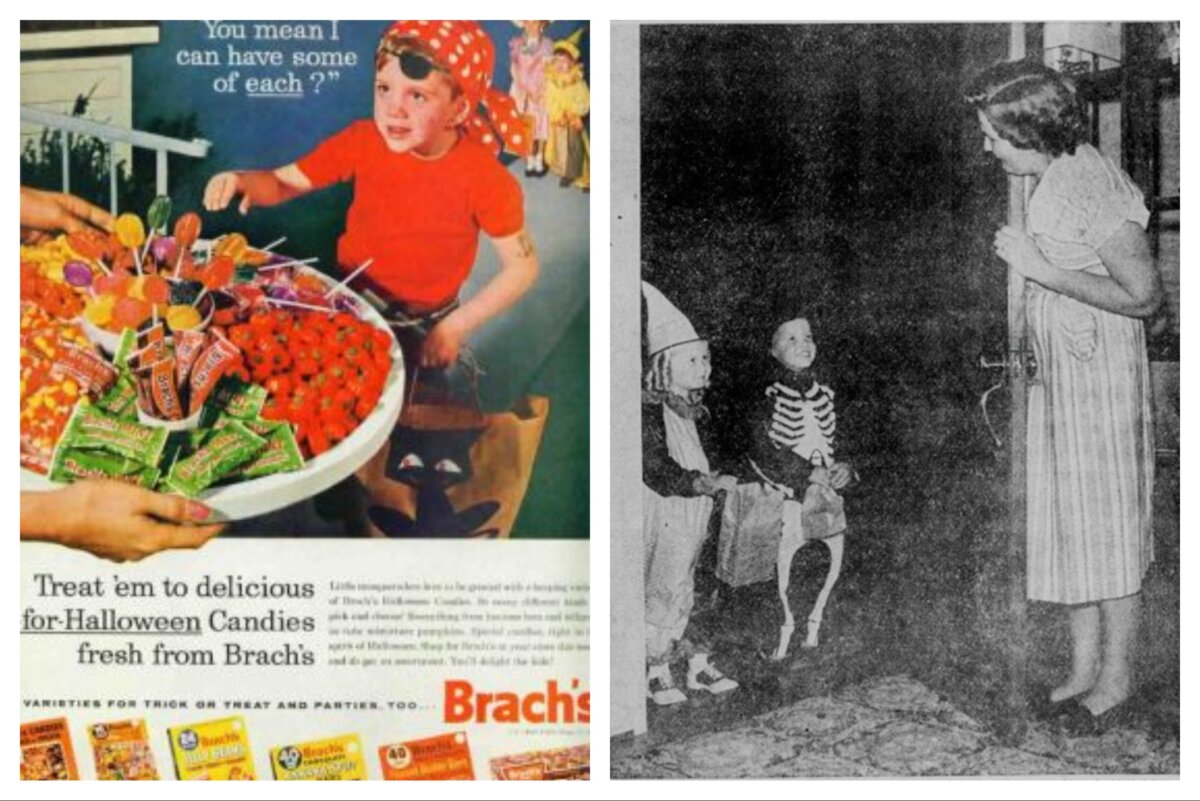
Aside from the success of those marketing efforts, the increased consumption of traditional Halloween candies was probably also due, in some part, to those adults who were robbed of their own candy and trick-or-treating fun during the wartime years.
What arts and culture topics would you like us to cover? Please email ideas or feedback to features@epochtimes.nyc.