
NR | 1h 32m | Documentary, Adventure | 2026
My father is a sailor, and one thing I’ve come to appreciate about the ocean is how easily a person can lose any sense of direction while sailing the seas. Even with today’s navigation equipment, sailing requires considerable skill. Without those instruments, crossing thousands of miles of open ocean becomes very intimidating.
For centuries, Polynesian sailors were doing exactly that—traveling between distant Pacific islands with knowledge acquired through years of patient observation. Jordan Manley’s documentary “The Navigator” examines their remarkable effort, revealing how people have worked to reclaim a seafaring heritage that once connected communities across the Pacific.
The stars helped them determine direction, while ocean swells, cloud formations, and seabirds supplied additional clues. Every successful crossing contributed to a remarkable understanding of the natural world, passed from experienced navigators to those willing to learn.

Years of experience disappear when a master navigator dies without finding someone to teach. Over time, traditional long-distance voyaging became increasingly uncommon in Hawaii, and generations eventually grew up with little direct knowledge of the techniques their ancestors once depended upon.
Recovering those skills would require determination, capable teachers, and a few adventurous souls willing to head back out to sea.
Traveling the Ancestral Sea Road
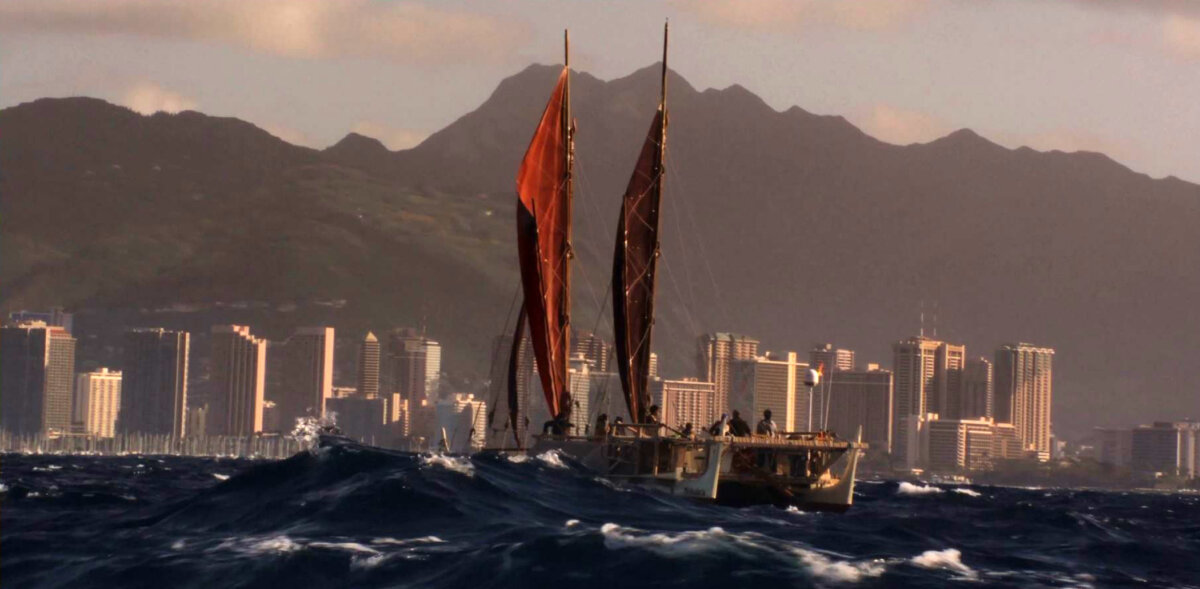
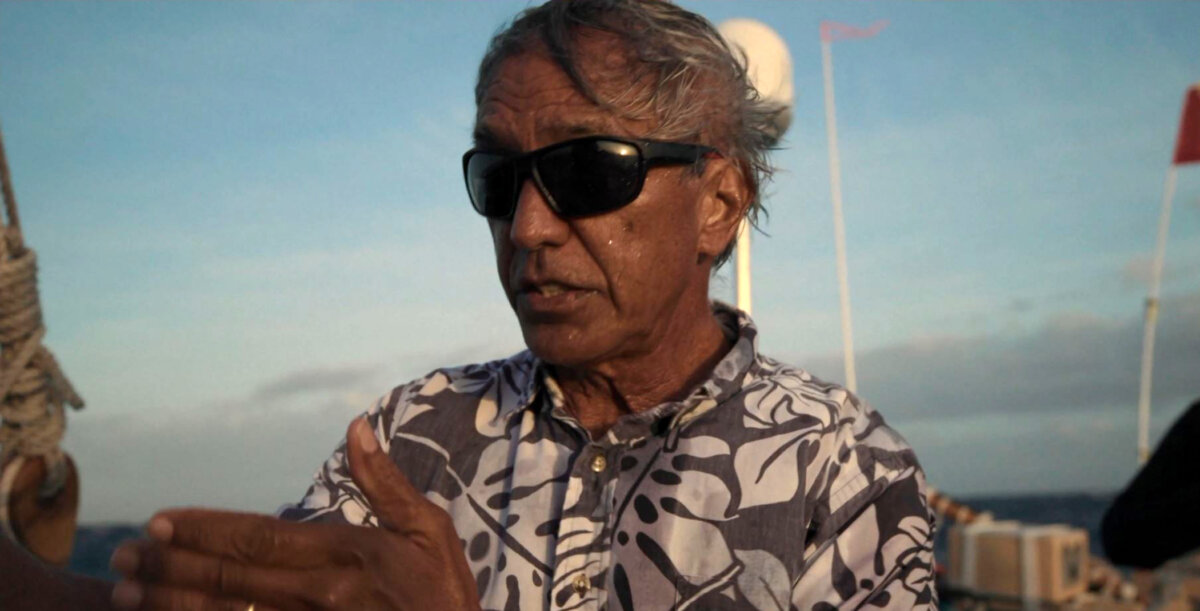
Central to the documentary is Nainoa Thompson, a Hawaiian master navigator and CEO of the Polynesian Voyaging Society. In 1980, he became the first Native Hawaiian in roughly 600 years to navigate a traditional voyaging canoe from Hawaii to Tahiti without modern instruments.
His achievement followed years of study under Mau Piailug, a master navigator from the small island of Satawal in Micronesia, whose willingness to share his knowledge helped restore a nearly forgotten Hawaiian tradition.
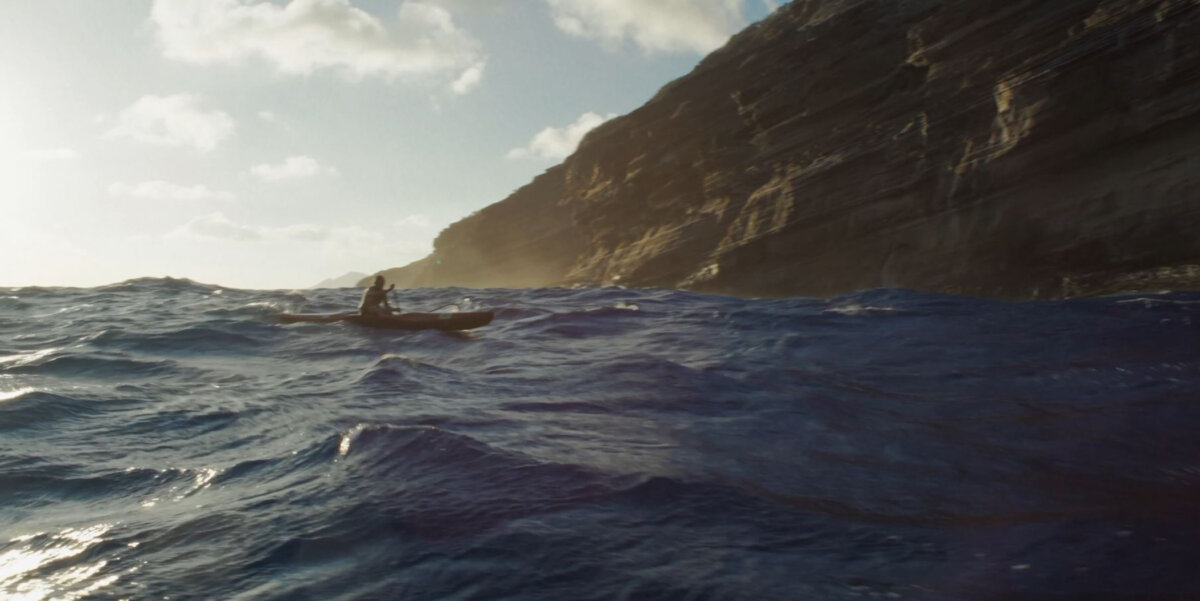
Several decades later, Thompson returns to the Pacific aboard Hokulea, a traditional double-hulled voyaging canoe, accompanied by a new generation of sailors. Their destination is Tahiti, some 2,400 miles from Hawaii.
The crew will rely on celestial observations and the natural behavior of the ocean to maintain their course. Among those continuing this demanding education are Lehua Kamalu and Kai Hoshijo, “students of navigation” who have been developing their abilities through Thompson’s guidance.
The documentary also revisits the earlier voyages through archival footage and recollections of those who participated.
Thompson speaks about the importance of passing such knowledge to younger generations, especially when so much depends on years of practice and personal instruction.
Beneath Pacific Skies
Manley, who also handled the cinematography, gives viewers extraordinary images of the Pacific. Brilliant sunlight stretches across the water, while the nighttime sequences reveal star-filled heavens that seem to go on forever. At times, the camera makes the canoe appear almost insignificant against the enormous ocean surrounding it.
The documentary explains how the modern revival of Polynesian voyaging began. The footage of Piailug is particularly valuable; he contributed enormously to teaching a generation of navigators who might otherwise have struggled to recover these techniques.

Some details might puzzle viewers. It wasn’t clear from the documentary if Piailug was still alive; he passed away in 2010. A sequence shows Thompson undergoing an MRI scan, although little explanation is given for the examination or why the filmmakers chose to include it.
Matthew Robert Cooper’s musical score complements the ocean photography beautifully. Some of the most memorable passages involve little more than the canoe traveling beneath an immense sky as the light changes above and water moves beneath. These images deserve a large screen, particularly during the nighttime passages when the stars become an essential part of the sailors’ world.
There’s also something deeply satisfying about watching people devote themselves to a demanding craft that their ancestors practiced centuries earlier. Thompson and his fellow voyagers have dedicated years of their lives to understanding the ocean, and their enthusiasm for sharing that knowledge is infectious.
“The Navigator” offers a fascinating account of their accomplishments, accompanied by some magnificent photography. After watching it, looking up at the night sky might seem considerably more interesting, even for those who have no intention of sailing anywhere.
“The Navigator” is available in theaters.
‘The Navigator’
Director: Jordan Manley
Documentary
Not Rated
Running time: 1 hour, 35 minutes
Release Date: Oct. 21, 2026
Rated: 4 1/2 stars out of 5
What arts and culture topics would you like us to cover? Please email ideas or feedback to features@epochtimes.nyc.