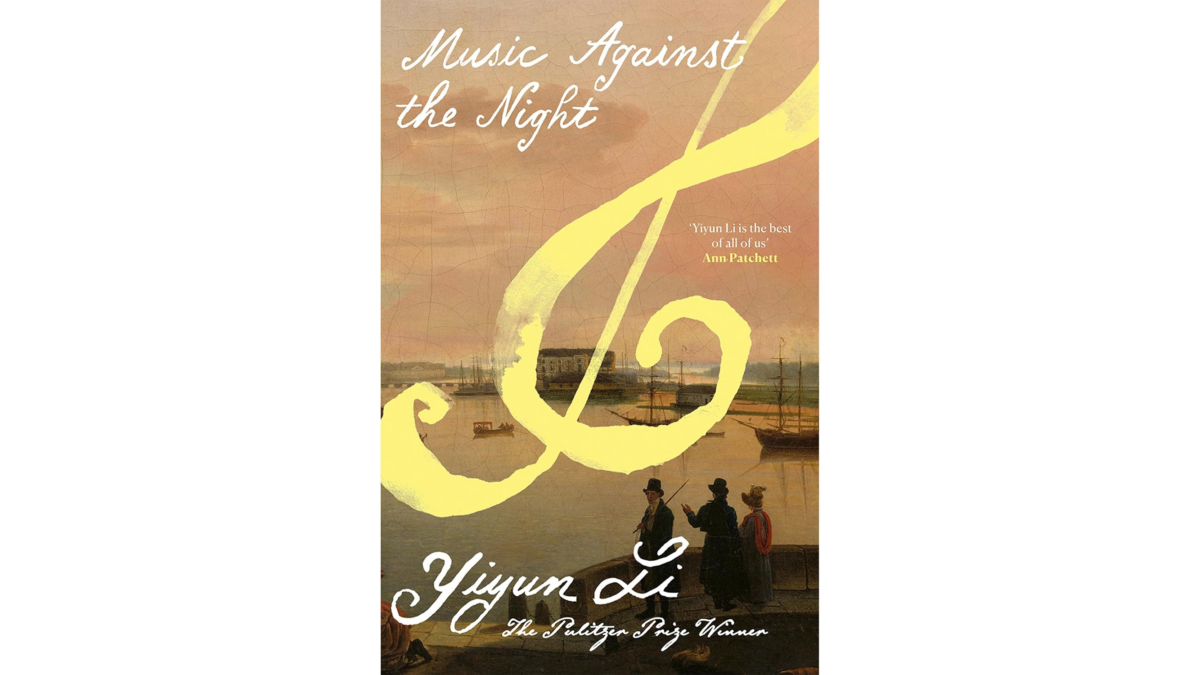
It’s a bit unusual for a novel to begin at the end of its story, but that’s exactly how “Music Against the Night,” the newest novel by Yiyun Li, starts.
In 1837, in Smolensk, Russia, Adelaide Field learns that her husband, John Field, has been dead for two weeks. For years, she’s been a “straw widow” or “veuve de paille,” but now she’s become a real one. She wasn’t even invited to the funeral.
Adelaide is bitter and beyond cynical, holding a contentious relationship with God. However, she’s also sharp, fiercely independent, and highly capable. She carries herself like a noblewoman and gives no one the satisfaction of seeing her grieve. Then, the story skips ahead to 1860, when Adelaide herself lies dying and, for the first time, turns her back on life and living.
This is the first volume of the planned “Nocturne Trilogy,” covering the early lives of Irish composer John Field and his wife, Adelaide. The prologue is a definitive promise that their marriage, and their lives in general, won’t end well. It all adds up to a very classic Russian literature mood, a significant influence for the author.
The author, Yiyun Li, was born in Beijing and came to the United States in 1996 to study immunology, but she quickly discovered a passion for literature. Her books include “A Thousand Years of Good Prayers,” “The Vagrants,” and “The Book of Goose.” She received a MacArthur Foundation fellowship in 2010, and she’s already won a Pulitzer Prize this year for her memoir “Things in Nature Merely Grow.”
Field of Dreams
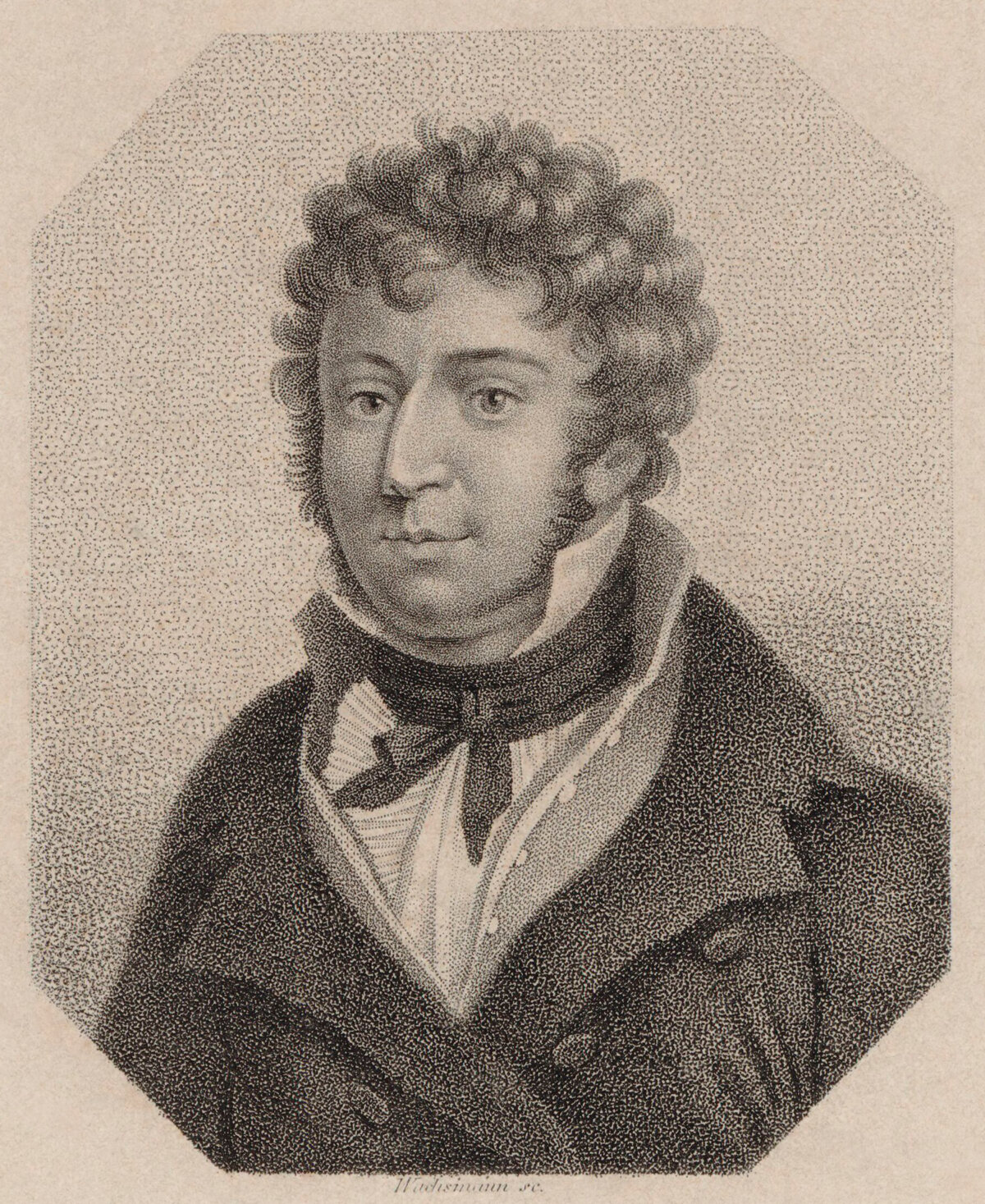
Born in Dublin in 1782, the real-life composer John Field is credited with inventing the nocturne. This short, lyrical piano piece evokes the night, with a singing melody over a softly flowing accompaniment. Chopin made the form famous, while Field’s name largely faded from history. Field spent much of his career in Russia and died in Moscow in 1837, nearly destitute.
The first chapter of “Music” switches to John’s perspective, and Li deftly adjusts her writing voice to suit the atmosphere and culture of 18th-century Dublin—not an easy trick.
As a small child, John stutters and is treated like a dimwit, as he seems indifferent to nearly everything except music. He hears it everywhere, even from the crosses he sees on the churches and the doorways of his childhood street.
The boy has music in his blood, declares his grandfather, and the proclamation becomes a prophecy. John masters in weeks the piano workbooks that take other pupils years to learn, and people begin calling him the next Mozart.
The possibilities intrigue his family, and John wants to earn money to buy toys for his siblings and ease his mother’s burdens. His father, unfortunately, lacks the imagination required for kindness and believes success can be drawn from the boy with a birch cane.
Pitch Perfect
Across the world in French India, Adelaide is born, and Li’s literary voice adapts to the change again in this section, adopting an arrogant, aristocratic air for this colonial world.
Adelaide’s mother dies soon after her birth. The circumstances become a tangle of hyperbole and half-truths, but most people blame Adelaide. As a result, she vows that “no one’s memory, judgment, and intelligence other than her own should be trusted.” She will build “an unassailable self.”
Her mixed heritage, general disobedience, and ingratitude (the worst sin for an orphan, she’s told) isolate her further. There’s also something amoral, almost Nietzschean, in her thinking. Only when Adelaide first touches a pianoforte does she feel a surge of real passion. Unfortunately, the piano isn’t available to her, and she must fight to gain access to it.
Dark Beauty
Li’s story features many moments and descriptions of privation, suffering, and childhood death, which might make “Music” seem like a bleak chore to read. Nevertheless, the immense talent of the author infused nearly every phrase with a poetic beauty few writers could achieve.
Li writes, “John’s death would never be natural, few musicians would have that luxury. They had chosen music as their executioner: ambition erecting the gallows, failure and success equally effective in roping the noose.”
Li pauses scenes to slip in parenthetical asides about the people present. These Easter egg moments reveal how John’s or Adelaide’s view of someone will change over time or foretell a death. They don’t spoil the plot but merely add more depth and intrigue to the story.
It’s a pity that the novel isn’t free of tiresome DEI (Diversity, Equity, Inclusion) checkboxes. A forbidden gay relationship appears in John’s youth. The heroine is an ostracized, strong, highly capable woman of color, a trope now so overused that the pattern is hard to miss. These obligatory inclusions sit awkwardly in a book otherwise pure in its artistic integrity.
In spite of this, the novel is an unquestionable marvel. Exquisitely written, it has a historical authenticity in its voice, and many of its phrases have a musical excellence of their own, the kind that stays with a reader for years.
As the first volume in a trilogy, the book unsurprisingly ends without a true climax, though it teases what the sequels will bring; many of us will be very eager to read them.
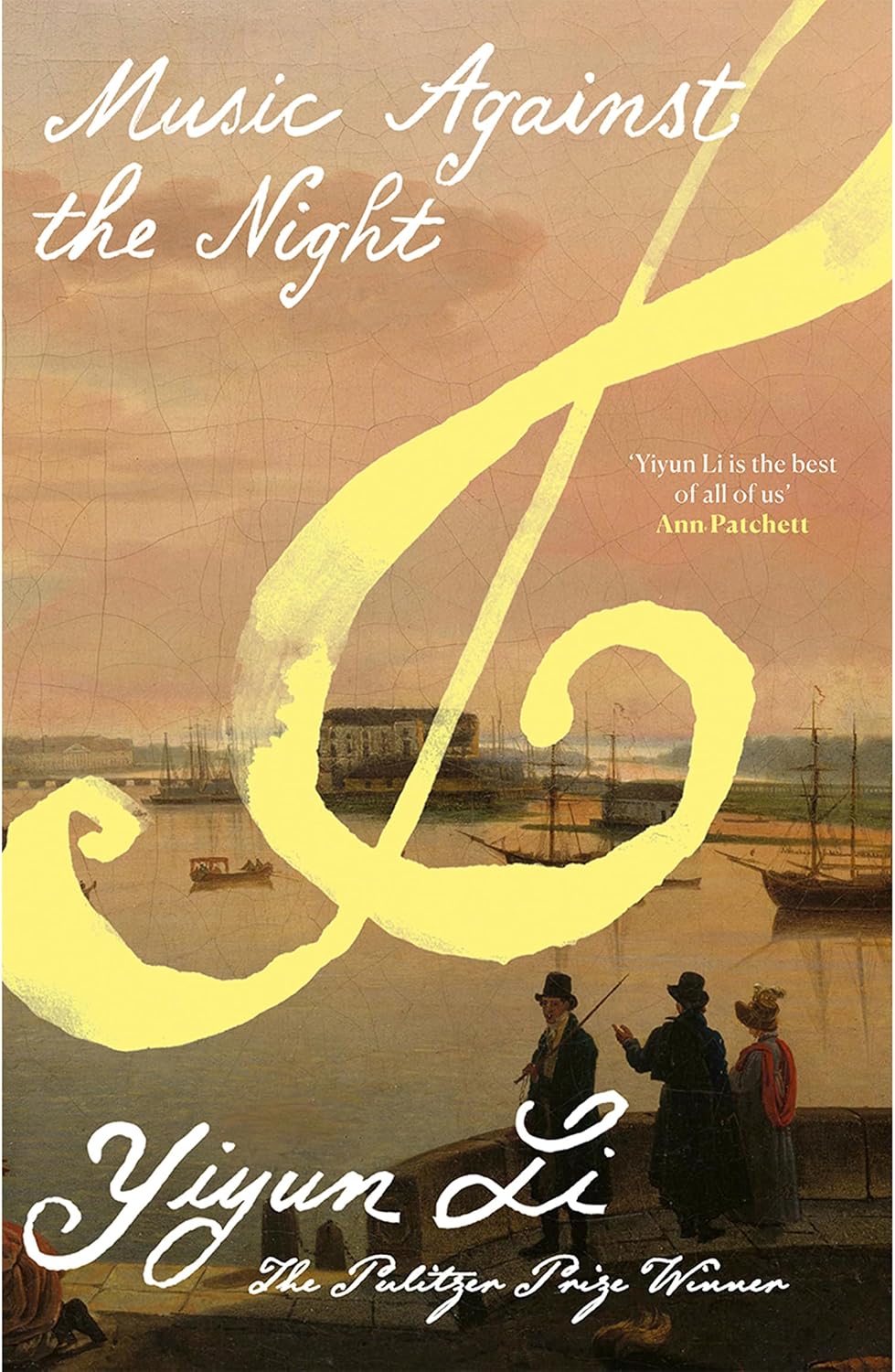
‘Music Against the Night’
By Yiyun Li
Farrar, Straus and Giroux: Oct. 13, 2026
Hardcover, 352 pages
What arts and culture topics would you like us to cover? Please email ideas or feedback to features@epochtimes.nyc