By Angie Hicks
Ask Angi
Falling leaves are a good reminder to check your gutters, but a gutter overflowing during a rainstorm doesn’t automatically mean that you need a new system. It may need cleaning, a targeted repair, or a more thorough inspection. The key is understanding why water isn’t going where it should before deciding what work to approve.
Start with what you can see from the ground. Look for sagging sections, gutters pulling away from the house, and visible cracks and stains on the siding below them. From a safe, sheltered spot during rainfall, notice whether water flows through the downspouts or spills over the edges. Afterward, check for water collecting near the foundation. These signs of gutter damage deserve attention, but they don’t all point to the same solution. Take photos of problem areas to share with a professional rather than climbing a ladder to investigate.
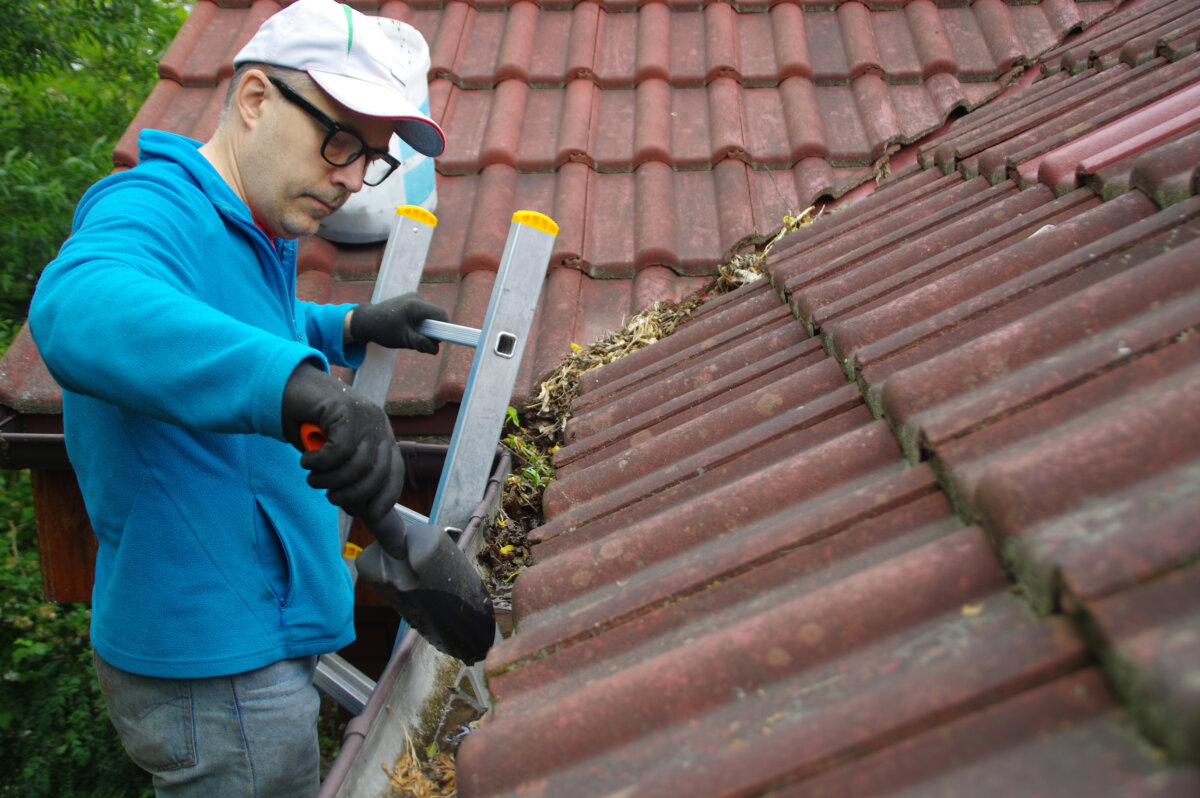
If leaves and debris are blocking an otherwise good system, cleaning may be enough. And sometimes the culprit is something unexpected. During one heavy rain, my own downspout started spitting water out halfway down. It turned out that a tennis ball was stuck inside. A thorough cleaning should address both the gutters and the downspouts, then confirm that water flows through them properly. Don’t assume that an empty-looking gutter means that the entire drainage path is clear. Understanding what gutter cleaning includes can help you ask the right questions when scheduling service. If water is already overflowing, don’t wait for every leaf to fall before addressing the blockage. Depending on nearby trees and how quickly debris accumulates, another cleaning may be needed later in the season.
When the problem is limited to one area, ask whether a repair can restore the system. A leaking joint, loose hanger, or damaged section may be fixable without replacing every gutter. A professional should also check the gutter’s slope and the condition of the fascia, the board behind it. Reattaching a gutter won’t solve the underlying problem if the wood supporting it is deteriorating. The goal of gutter repair is to restore drainage and address the cause of the damage.
Replacement becomes a stronger consideration when cracks, corrosion, or other damage affect multiple sections, or when problems keep returning despite appropriate repairs. Ask the contractor to explain which parts have failed and whether replacing a section would be sufficient. These warning signs that you may need new gutters can help guide the conversation, but the decision should reflect the condition of your system and the extent of the damage.
Before approving larger work, get written estimates from multiple professionals and compare the scope, not just the total. Ask whether the price includes downspouts, removal of old materials, and any necessary fascia repairs. If both repair and replacement are reasonable options, request an explanation of the cost and expected benefit of each. A qualified pro should be able to show you the problem and explain how the proposed work will resolve it.
Finally, make sure the inspection follows the water all the way to where it drains. Clean, intact gutters still need downspouts that direct runoff away from the house. Address active leaks, loose sections, and water pooling against the foundation promptly, especially before freezing weather arrives.
If you’re unsure who to hire, you can check Angi.com. A little attention now can help you choose the right fix and avoid a more disruptive repair later.
Tweet your home care questions with #AskingAngi and we’ll try to answer them in a future column. Copyright 2026 Ask Angi. Visit at Angi.com. Distributed by Tribune Content Agency, LLC.