
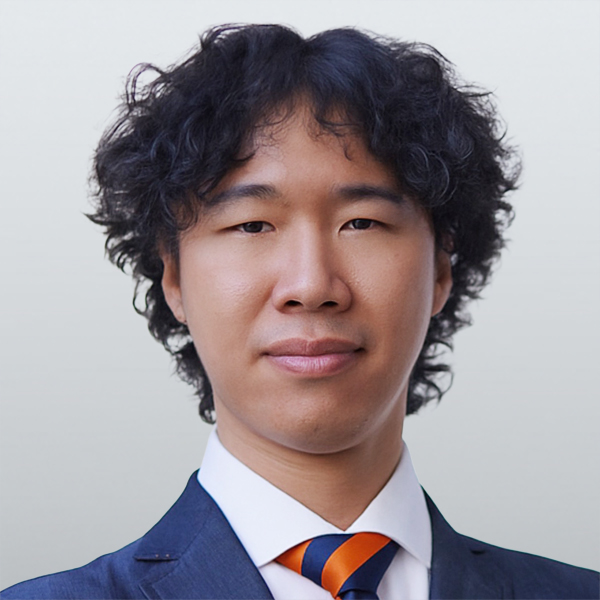
A Chinese woman who says she endured eight years of police harassment, intimidation, and job loss because of her brother’s political activism has fled China with her younger son, seeking political asylum in the Netherlands.
Lin Ruiping, 45, from Meizhou in southern China’s Guangdong Province, said Chinese state security repeatedly targeted her because she supported her brother, Lin Shengliang, a rights activist who was imprisoned multiple times for his political views.
Lin told The Epoch Times that the harassment began in February 2018, when police summoned her and warned that her brother’s case could affect the entire family.
“I never imagined that one day I would be forced to flee China,” she said. “I used to live a very simple life, wanting only to do my accounting work honestly and take care of my family and children. I once thought that as long as I obeyed the law, politics would be far removed from my life.”
Her brother was first arrested in May 2017 for writing pro-democracy slogans on shared bicycles, according to Lin. He was subsequently sentenced to 14 months in prison for “picking quarrels and provoking trouble,” a charge frequently used by the Chinese regime against critics and political dissidents.
After his release in July 2018, Lin Shengliang published accounts of torture in prison and proposed creating a public list of officials responsible for abuses. He was arrested again less than a month later and sentenced to another two years on the same charge.
In February 2021, he was detained again after sharing an image supporting the Hong Kong protest slogan “Liberate Hong Kong, revolution of our times.” He went on a hunger strike and was released after 15 days.
Police Pressure Extended to His Family
Lin Ruiping said police repeatedly summoned and questioned her over her brother’s activities.
In December 2019, officers reprimanded her several times after she sent her imprisoned brother a letter describing family circumstances. In February 2021, she was taken to a police station for questioning after liking one of his social media posts criticizing the annual Spring Festival gala show on Chinese state television, which is filled with the regime’s propaganda messaging.
She also lost her accounting job in October 2021 after state security officers contacted her employer and pressured the company to dismiss her. After that, she relied on two part-time jobs to make ends meet.
In March 2022, during China’s draconian COVID-19 lockdowns, she shared a video her brother had sent her showing a confrontation between residents and police in Shenzhen. Two officers arrived at her home the following day while her two sons were attending online classes. She said her younger son was so frightened that he cried uncontrollably. Police later took her to a station and forced her to sign a written guarantee.
“The prolonged surveillance, harassment, and unemployment completely disrupted my life and caused enormous psychological trauma to my two sons,” she said.
Despite the pressure, Lin continued supporting her brother.
“He did nothing wrong. He was simply standing up for his freedom of expression and his beliefs, yet he was imprisoned twice,” she said. “In the face of authoritarian power, family bonds are my bottom line as a person.”
Lin Shengliang fled China in the summer of 2021 with his eldest daughter after multiple arrests and periods of detention. They eventually settled in the Netherlands, where he applied for political asylum and continued documenting cases of human rights abuses by the Chinese regime.
His wife and two younger children remained in China at the time.
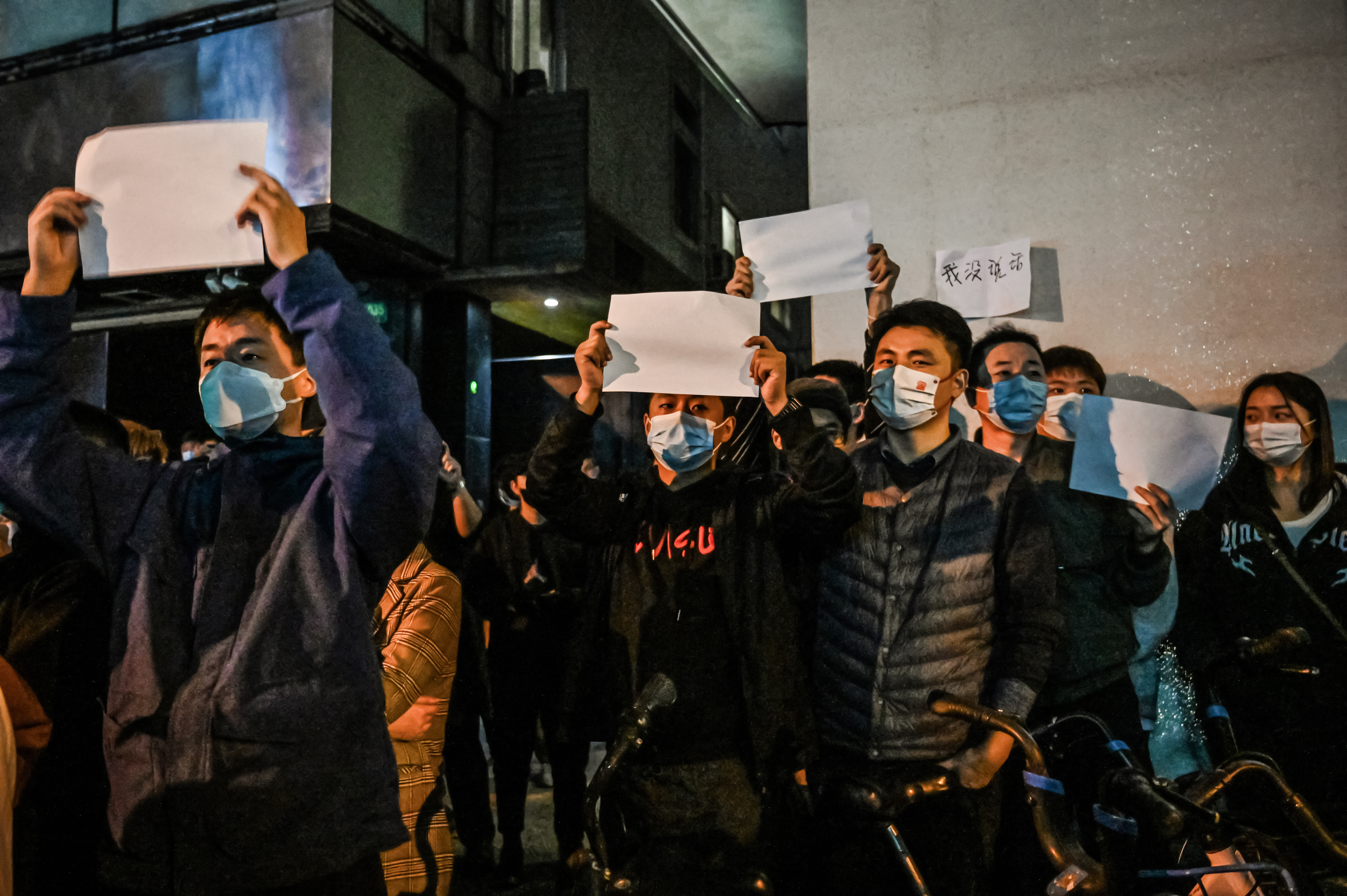 People hold up blank white paper to protest China’s zero-COVID policy in Shanghai on Nov. 27, 2022. (Hector Retamal/AFP via Getty Images)
12-Year-Old Barred From Leaving China
Lin Ruiping said police pressure also extended to her brother’s younger daughter.
In July 2023, she attempted to take her then-12-year-old niece to Hong Kong. At the border crossing, police stopped the girl and questioned her alone in a locked room for two hours before denying her exit from mainland China.
Officers told them that senior regime authorities had ordered the girl barred from leaving China over suspected national security violations, Lin said.
In January, Chinese immigration officials informed Lin that her niece’s passport had been canceled in August 2023 because a family member had been investigated by public security authorities.
During the Lunar New Year holiday in February, Lin helped her niece escape through Yunnan Province with assistance from others. The girl eventually reached the Netherlands and reunited with her father.
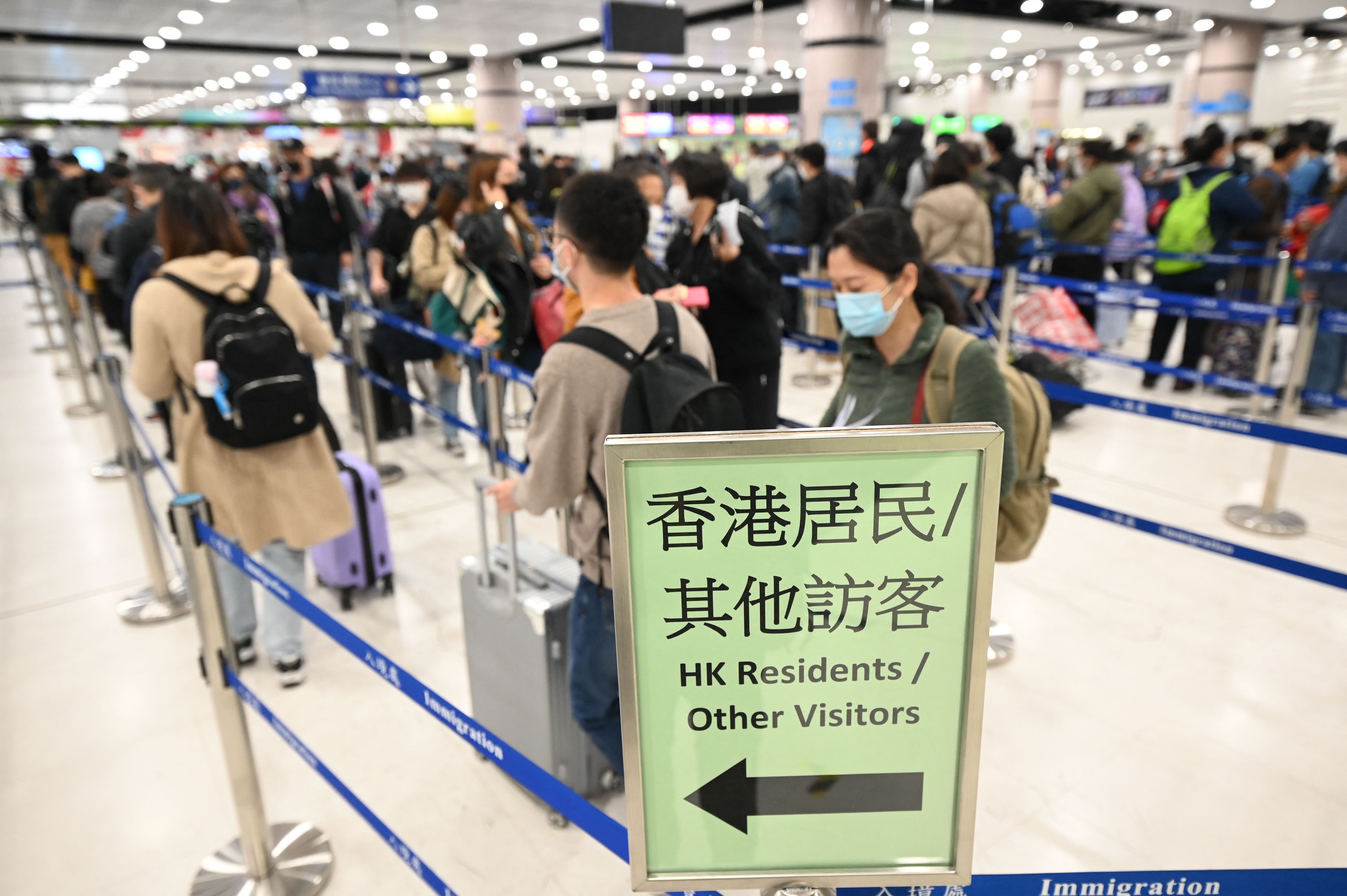 People queue up at the Lok Ma Chau checkpoint at the Shenzhen border crossing with mainland China in Hong Kong on Jan. 8, 2023. (Peter Parks/AFP via Getty Images)
Fleeing China
The niece’s departure prompted renewed police scrutiny, Lin said.
After the girl failed to return to school in February, school officials contacted her father in the Netherlands, while local authorities sought his updated contact information from Lin’s mother.
On April 6, state security officers summoned Lin for intensive questioning, repeatedly asking whether she had helped her niece leave China illegally.
Officers warned that assisting someone in crossing the border illegally was a serious crime and threatened that two witnesses could be enough to have her arrested, even without direct evidence, she said.
Lin believed the authorities were conducting a criminal investigation against her and feared imminent arrest.
She also recalled a 2021 incident that left her feeling responsible for her brother’s detention. After police questioned her over liking his social media post, officers pressured her to sign a written statement prepared according to their account of events.
She initially refused, but her sister-in-law later told her that police had promised to release her brother within hours if she signed.
“I wanted so badly for my brother to be released as soon as possible and spared further torture that I chose to believe the state security officers and signed the statement,” Lin said.
Instead, her brother was placed in administrative detention for 15 days. She later learned that he had refused to answer questions and had destroyed his phone, leaving police without other evidence, she said.
“I fell into deep self-blame, guilt, and pain,” she said. “From that moment on, I felt extreme anger and despair over the despicable and deceptive methods used by state security. I finally saw that they had no limits.”
In July, Lin fled China with her younger son. After a difficult journey, they arrived in the Netherlands in August and reunited with her brother.
Her husband and eldest son remain in China. Lin said state security officers contacted her husband on Aug. 28, asking where she was, when she would return, and how they could reach her.
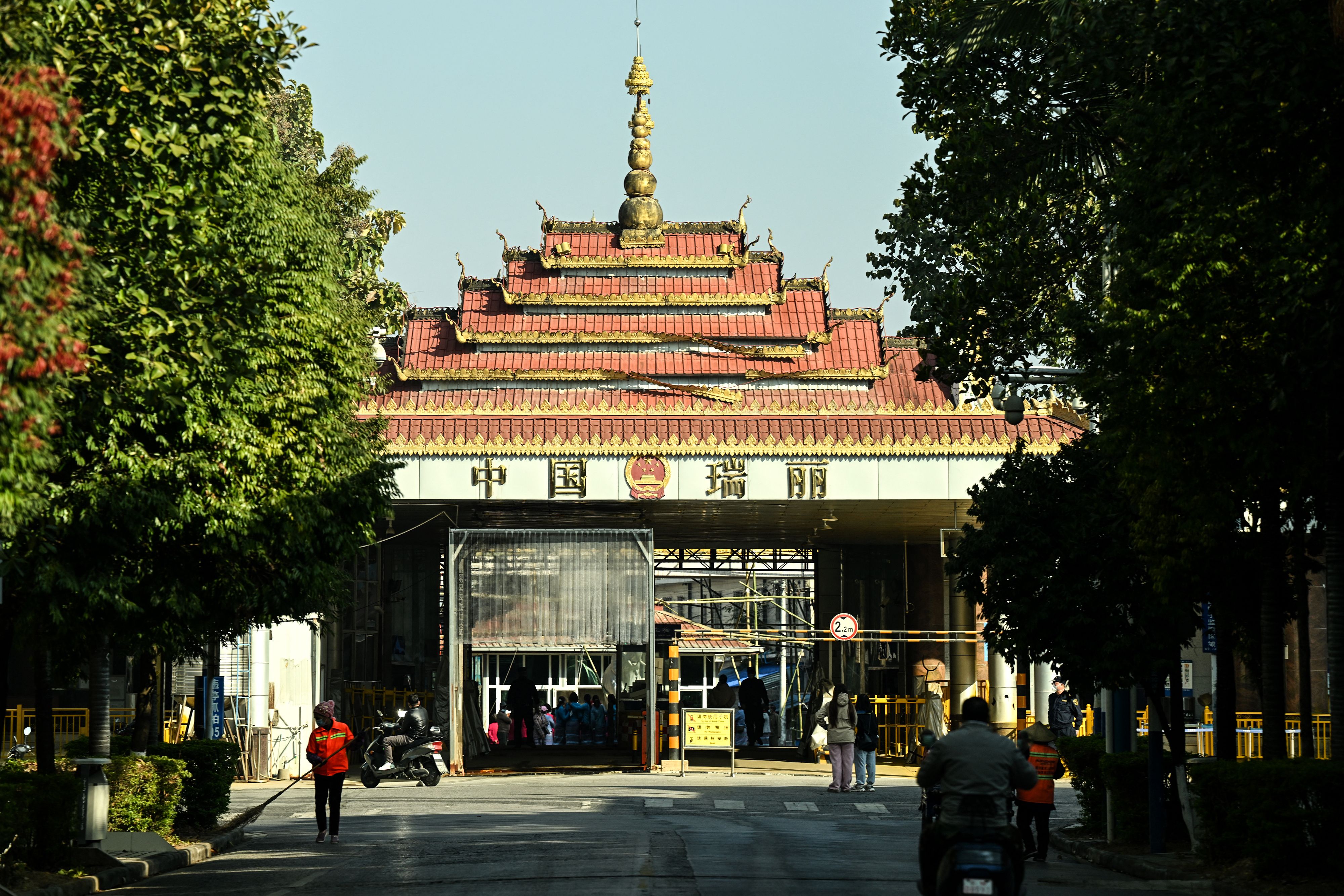 A border checkpoint between China and Burma, (also known as Myanmar), in Ruili, west Yunnan Province, China, on Jan. 14, 2023. (Noel Celis/AFP via Getty Images)
Family Left Traumatized
Lin said the repeated arrests and police pressure had devastated her extended family.
Her mother suffered a stroke after enduring years of anxiety over her son’s imprisonment and the harassment of other family members. Lin’s younger sister, overwhelmed by fear and despair, eventually shaved her head and became a Buddhist nun, seeking to escape the pressure, Lin said.
Relatives and friends also gradually distanced themselves from the family, fearing they might become targets themselves, she said.
“Everyone in our family has been brought down by the authorities’ practice of implicating relatives,” she said. “Our family began falling apart when my brother was first arrested. After his second imprisonment, everything collapsed.”
Lin hopes the Dutch government will grant asylum to her and her son.
“I want only to live peacefully in a free country governed by the rule of law, without fear or surveillance,” she said.
Cheng Wen and Yi Ru contributed to this report.
 Friends Read Free
Copy
Facebook
Tweet