
Sponsored Content by Aletha. This article includes affiliate links, which may earn us a commission, to support truthful and independent journalism (at no extra cost to you).
Someone walks up behind you, puts their hands on your shoulders, and starts to rub. A few seconds in, you hear yourself say it: “I had no idea I was that tight.”
That moment tells you most of what you need to know about muscle tension. You don’t feel it until something touches it.
I’ve been a physical therapist for more than 25 years, and here’s what I can tell you. If you live in the modern world, you’re carrying muscle tension. Nearly everyone is, and most people have no idea. It sits under the surface and shows up somewhere else long before the muscle itself makes any noise: a stiff neck in the morning, a hip that pinches when you get out of the car, a lower back that aches by dinner, a body that aches in weird places.
What muscle tension actually is
Muscle tension is a muscle holding a partial contraction in part of itself. Your brain does this to protect you and the surrounding tissues.
The trouble is that the contraction stays on after the reason for it is gone. That held section keeps tugging on the bones, joints, and ligaments it attaches to. Over time it can compress joints, twist the spine and pelvis out of line, limit how freely you move, and cut into your strength. That’s why the pain usually shows up at the joint, or somewhere farther down the line, not in the tight muscle itself. It can also keep your nervous system on alert. A body that’s bracing never fully rests.
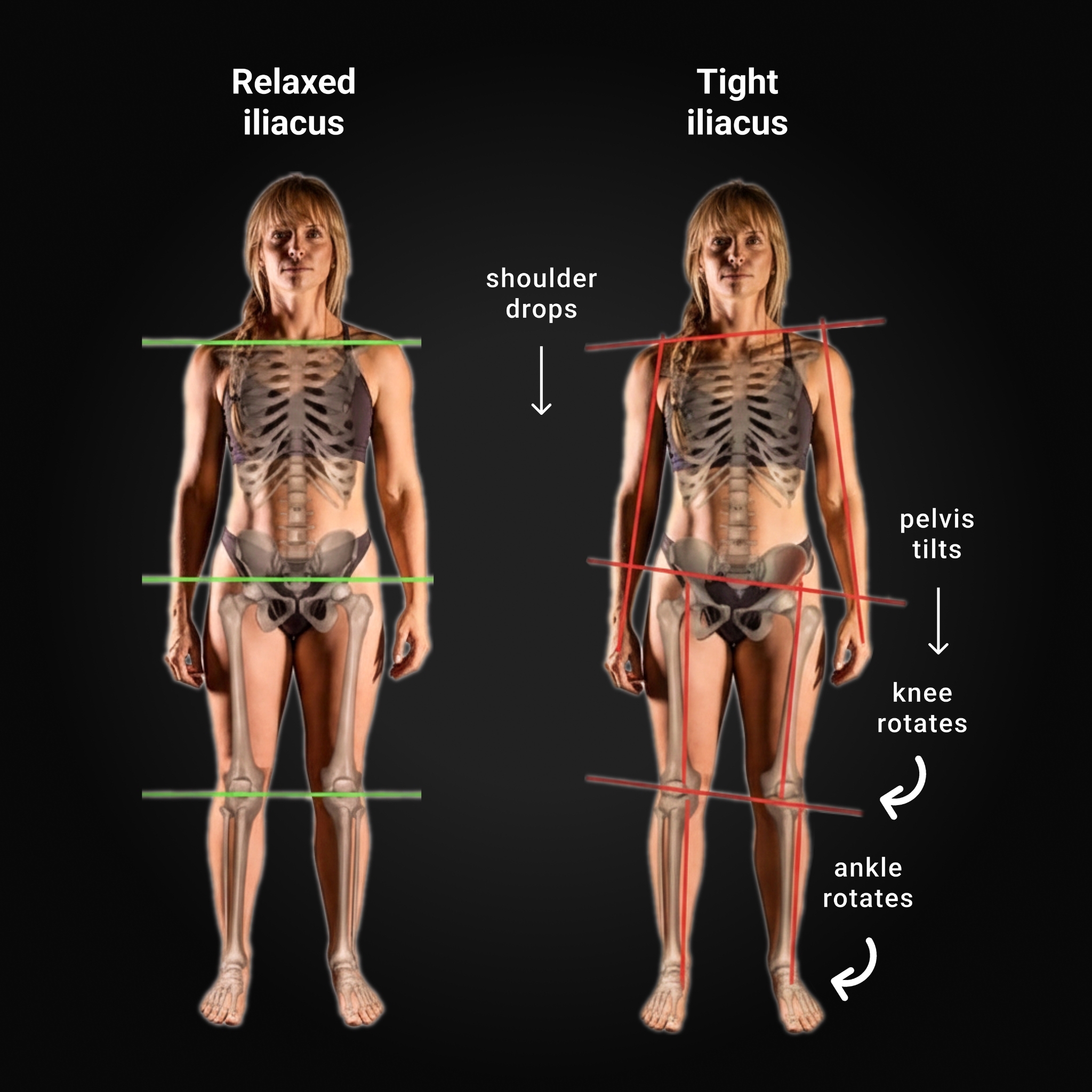 Illustration of tension pulling on the joint. Source: Aletha Health
Why everyone has muscle tension
Four ordinary things teach your brain to create muscle tension.
Stress. When we’re under pressure, the body wants to curl into a ball. We don’t actually do it, but the hip flexors, chest, and neck muscles switch on as if we had. Day after day, decade after decade, that bracing becomes normal.
Loose or unstable joints. When a joint isn’t stable, whether from naturally loose joints, an old injury, too little exercise, or muscle loss from hormonal changes or GLP-1 medications, the brain steps in with tension to hold things steady through your day.
Sitting still. For every hour you sit, the front of your hips gets tighter. Every time you look down at your phone, your shoulders round, your neck and chest muscles tighten, and your upper trapezius turns on to hold up your head.
Overuse. The extra mile on the training run. The dive on the pickleball court. When a muscle can’t fully control a movement, tension kicks in to steady it, and that can be where it starts.
None of this means something is wrong with you. Your body is smart, and it’s doing its job. It just never got the signal that it’s safe to relax again. So the tension stays on, often for decades, without you ever noticing it.
Why the usual fixes don’t hold
Most people sense the tightness and reach for something: a massage chair, a percussion gun, a foam roller, a professional massage, a good long stretch. Those can feel great, and they have their place. But rollers and massage guns warm up the area for a little while without relaxing the muscle, and most people get a massage once a month at best. Stretching lengthens a muscle and builds flexibility. It doesn’t teach the muscle to relax.
A muscle holding a protective contraction needs something different: steady, precise pressure, held in the right spot long enough for the brain to let it go. That’s the release step. It’s the one almost everyone skips.
Find it yourself: the 90-second test
Here’s how you know a muscle is holding tension. Press on it. A tense muscle is usually tender, sometimes surprisingly so. Now hold the pressure and breathe. Over about 90 seconds, the discomfort starts to fade as the muscle relaxes.
That fade is the secret. You’re feeling the muscle finally relax.
The 90 seconds isn’t arbitrary. A 2002 study in the Archives of Physical Medicine and Rehabilitation found that steady pressure on tight neck and shoulder muscles, held at a tolerable level for 90 seconds, reduced pain and tenderness and improved neck range of motion. In a randomized controlled trial of the Hip Hook, participants reported 27% less pain after a single 90-second release, and 71% had less muscle tension after one use.
The six muscles that matter most
You have more than 600 muscles, and you don’t need to release all of them. There are a few important muscles to focus on that hold tension in nearly everyone. Release those, and the rest of the body tends to line up while the muscles around them relax on their own.
These are the six I’d check in almost anyone who walked into my clinic:
-
Iliacus and psoas. Together they form your hip flexor at the front of the hip. They tighten with every hour you sit and every time stress makes you brace. Because they attach to the spine and pelvis, tension here can pull both out of line. It can show up as lower back pain, a pinch in the front of the hip, SI joint pain, even knee pain.

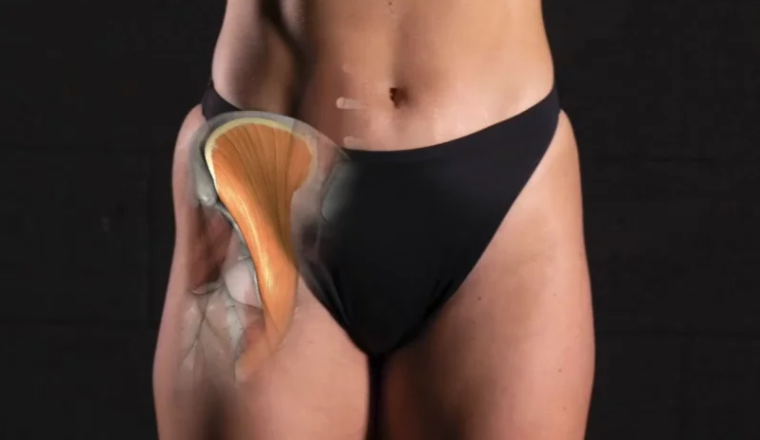 Iliacus Anatomy
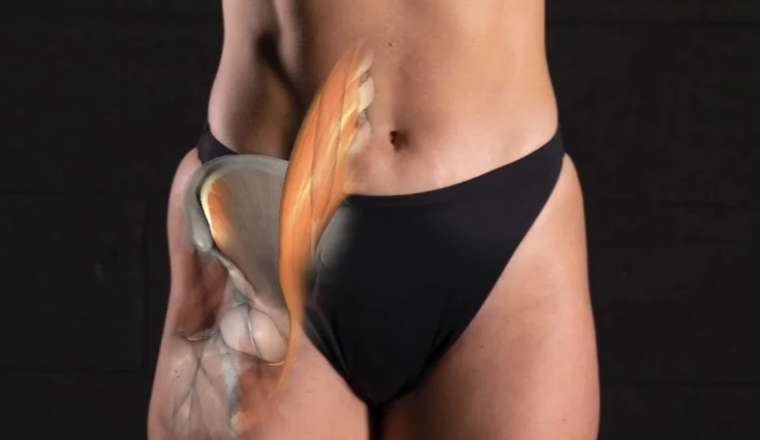 Psoas Anatomy
- Piriformis. On the back of the hip, it helps your leg absorb shock. It tends to tense up when the front of the hip is tight. It can show up as a deep ache in the buttock, sometimes running down the back of the leg.
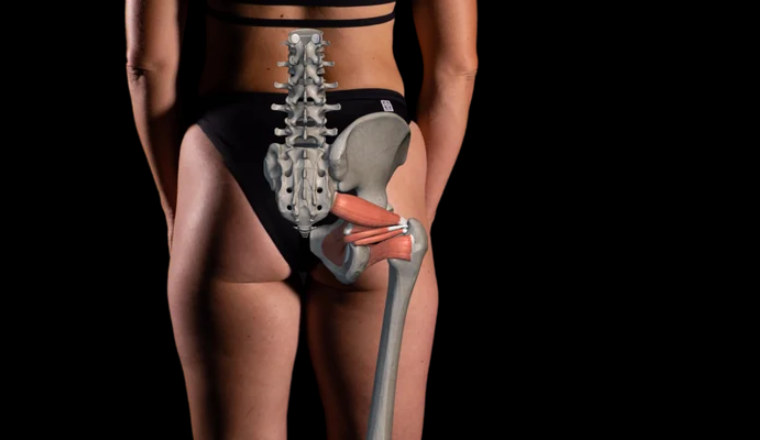 Piriformis anatomy
- Pec minor. A small chest muscle that tightens when your shoulders round forward, then holds them there. It can show up as pinching in the front of the shoulder and shoulders that won’t sit back.
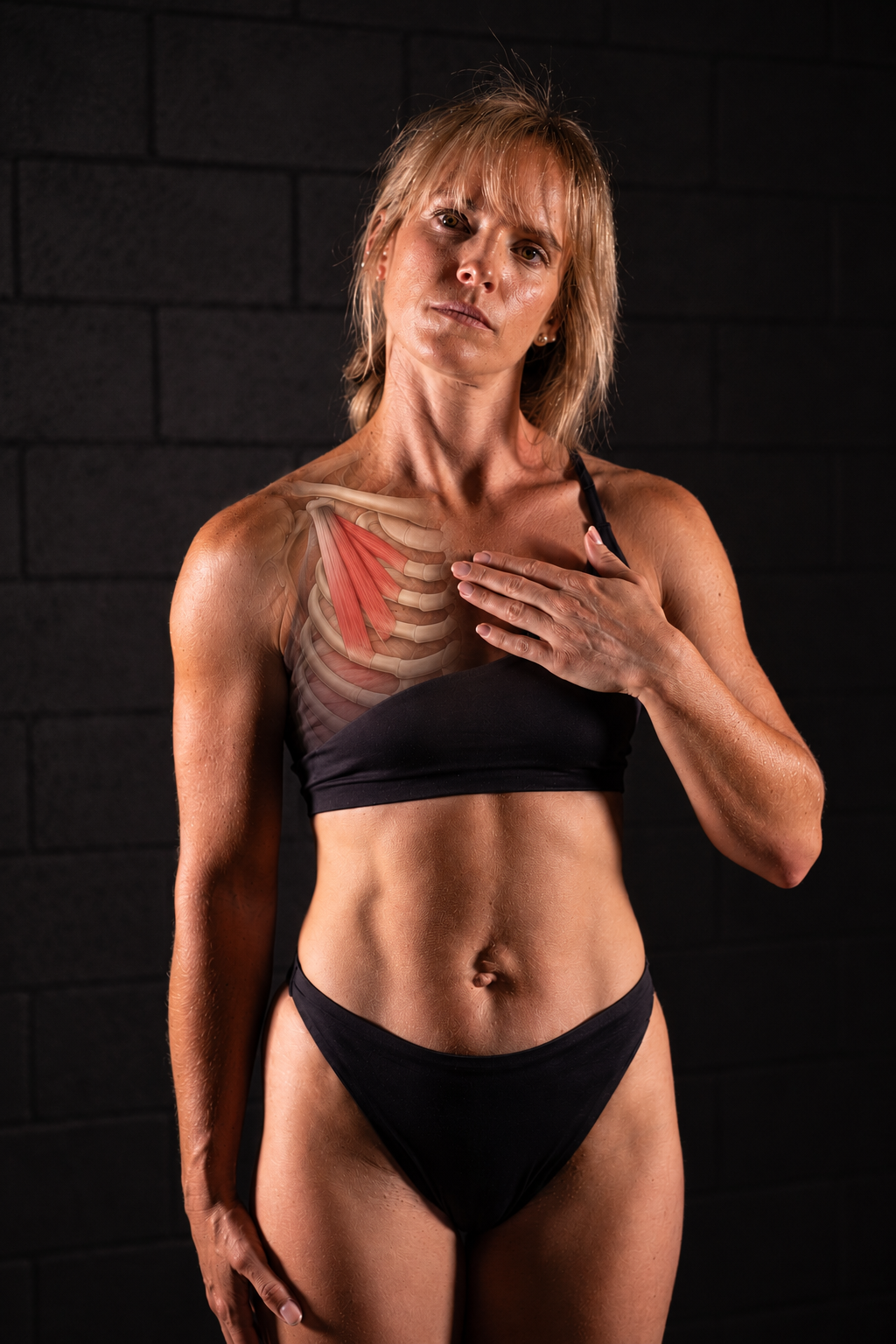 Pectoralis Minor Anatomy Overlay
- Suboccipitals. Tiny muscles at the base of your skull that work overtime when your head drifts forward over a screen. They can show up as headaches at the base of the skull and a stiff neck.
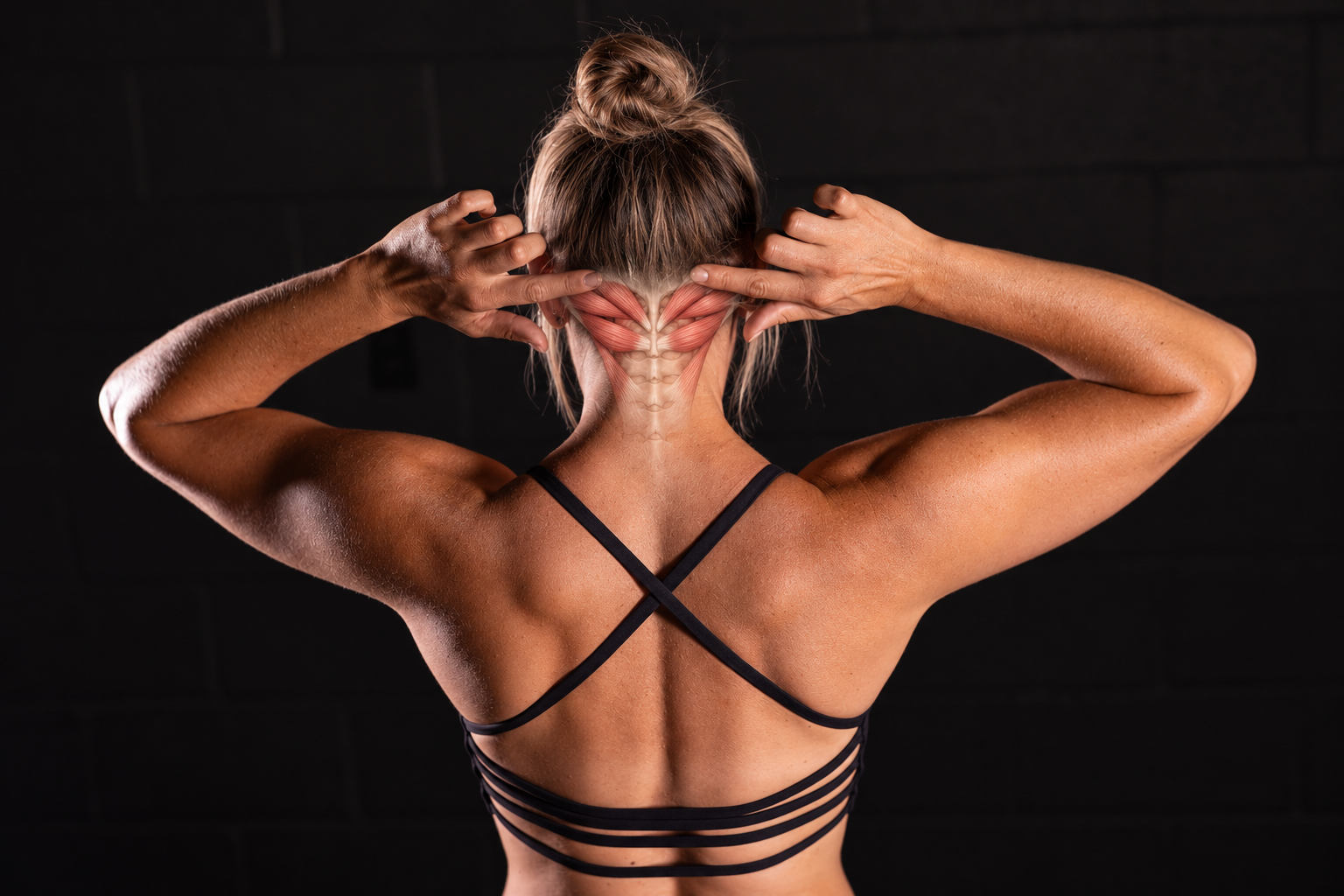 Suboccipital Muscle Anatomy Overlay
- Upper trapezius. The one the shoulder rub finds. It picks up the strain from rounded shoulders and a forward head, plus whatever stress you carried today. It can show up as neck and shoulder pain and headaches that wrap toward the temples.
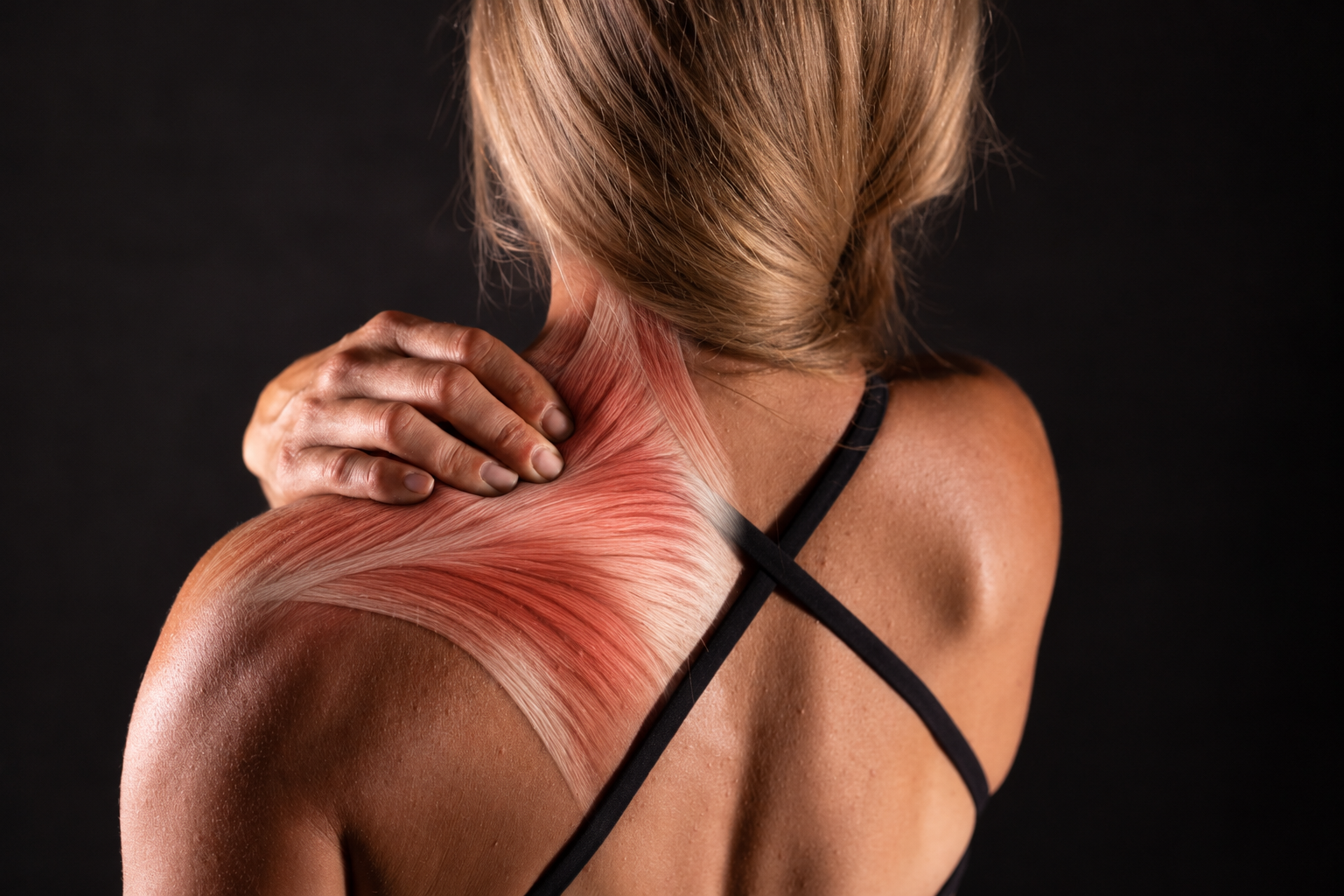 Upper Trapezius Anatomy Overlay
Check out this video to watch the six-muscle release from the VSL, cut down and compressed.
The tools I invented to reach them
For decades I released these muscles for patients with my own hands in the clinic. You can’t hold that kind of steady, precise pressure on yourself, so I invented tools that can.
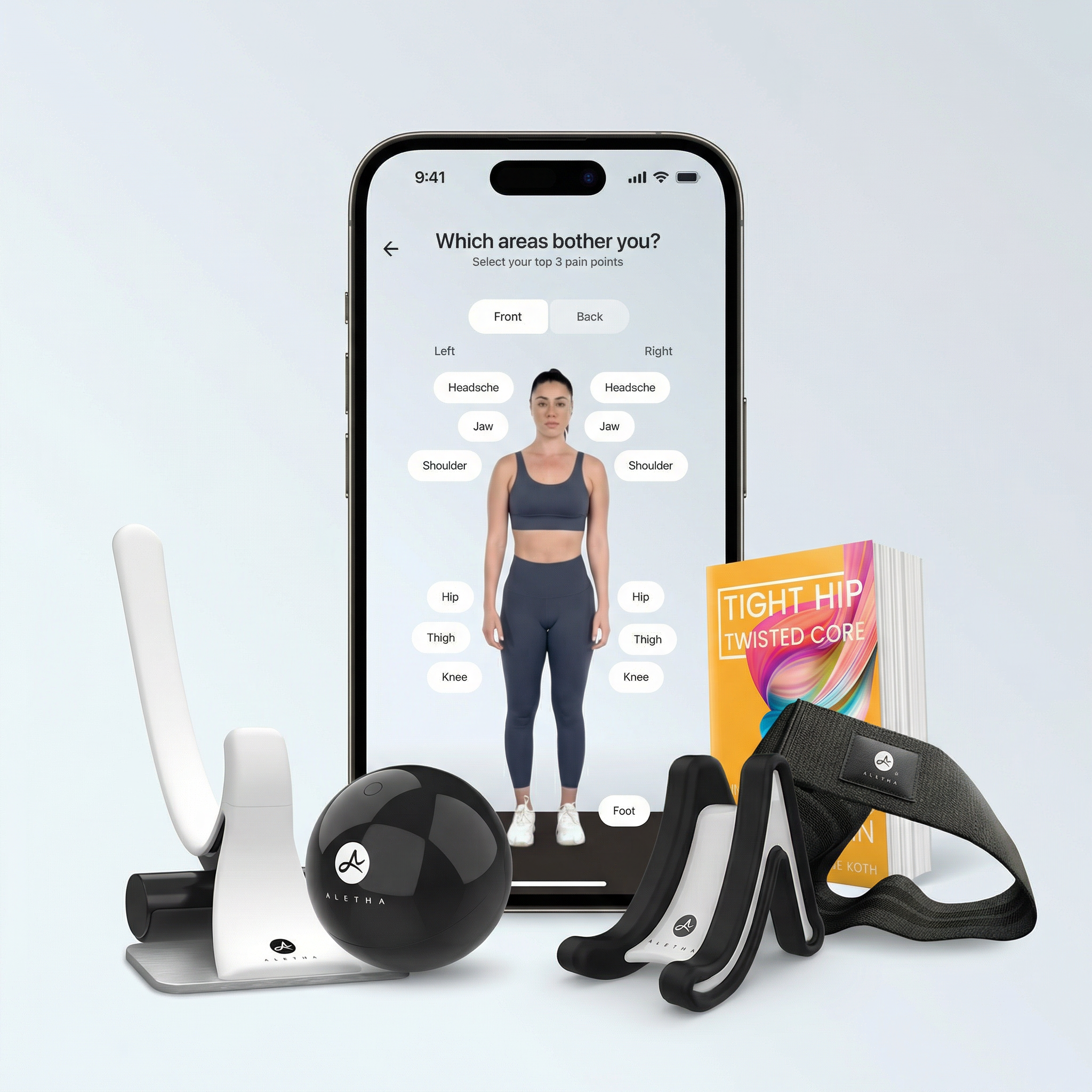
The Full Body Release System brings them together:
-
The Hip Hook (Mark) releases the iliacus and psoas at the front of the hip.
-
The Orbit releases the back of the hip, including the piriformis.
-
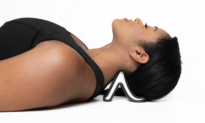
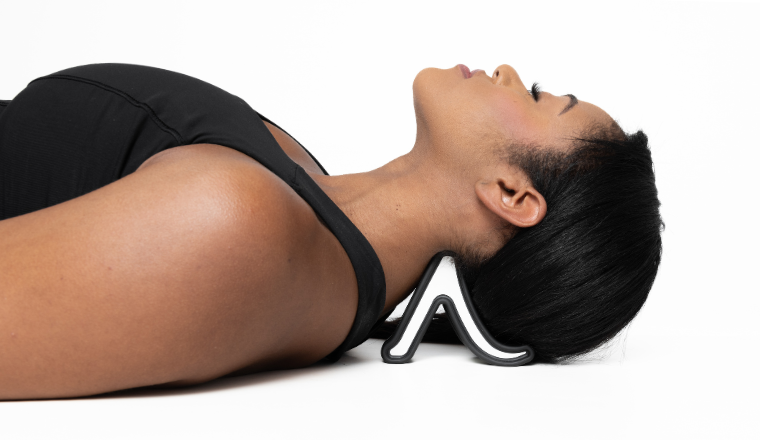
The Range releases the neck, chest, and shoulders: the suboccipitals, pec minor, and upper trapezius.
-
The Band is for building stability to keep the tension from coming back.
-
My book, Tight Hip, Twisted Core, tells the full story of how tension travels through the body.
-
The Aletha app is where I guide you step by step: what you should feel, how to explore, and how to get the most from every release. It’s a physical therapist in your pocket.
The Hip Hook and Range are made in the USA. More than 600,000 Aletha tools have been sold, and they’re shared by more than 2,000 clinicians.
How to use it
-
Open the app and start with the hips. So much of the body lines up around them that they’re the best place to begin.
-
Find the tender spot. If you’re new, start with the Orbit, then explore the Hip Hook. Settle onto the tool and let the pressure find where the muscle feels most tender.
-
Hold for 90 seconds and breathe. Notice the discomfort fade as the muscle lets go.
-
Work through the rest. Chest, base of the skull, and shoulders, with the app guiding each one.
-
Make it a habit. A few minutes, a few times a week. Modern life keeps creating tension, so releasing it regularly is upkeep, the same way brushing your teeth is.
Release first. Then let the body realign, and strengthen from there. No appointment, no referral, no prescription.
Who this is for
Every body. The person at a desk all day and the one behind the wheel of a truck. The grandparent who gardens, the runner logging miles, the pickleball player who never lets a hard shot go. The one carrying more stress than usual this year. The one losing muscle with age or medication.
That’s also why the Full Body Release System makes such a good gift. It’s the thing almost no one knows they need until they feel a muscle let go for the first time. It’s for the person who has everything. It might be for you.
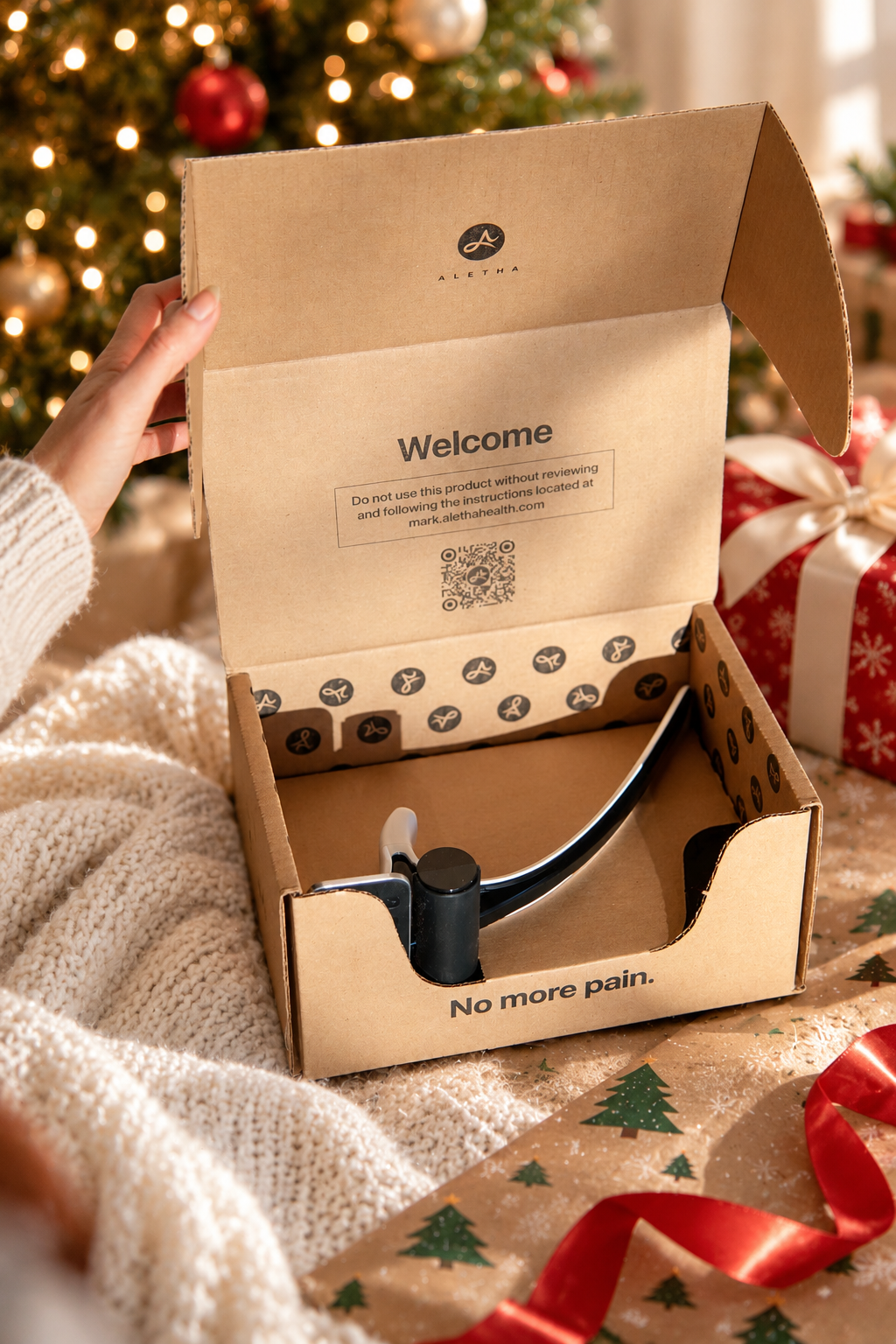 Hip Hook unboxing. Source: Aletha Health
Try it for yourself
The only way to know how much tension you’re holding is to try it. That’s why I give you 60 days to try my products at home. Explore, follow the app, and see how your body changes.
As a thank-you to the Epoch community, we’ve unlocked our deepest discount of the year ahead of Black Friday. Use this link to automatically claim 40% off your Full Body Release System, no code required. Fully HSA/FSA eligible.
Not sure where to start? Take the 60-second quiz to see where your body may be holding tension.
Christine Annie, MPT, is a physical therapist with a biochemistry background and more than 25 years of hands-on clinical experience. Trained to ask why and never satisfied with “just because,” she spent years watching the medical system look past muscle tension as a source of pain. That frustration led her to invent a better way, grounded in science and simplicity. Aletha Health is what came of it.
Mark®, Orbit®, Range®, and Hip Hook™ are trademarks of Aletha, Inc.
 Friends Read Free
Copy
Facebook
Tweet