
Commentary
Living on a farm makes you pay attention to seasons. There is calving season, kidding season, planting season, drought season and harvest season. Each one arrives with its own work and worries.
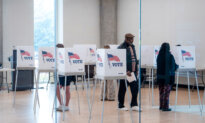
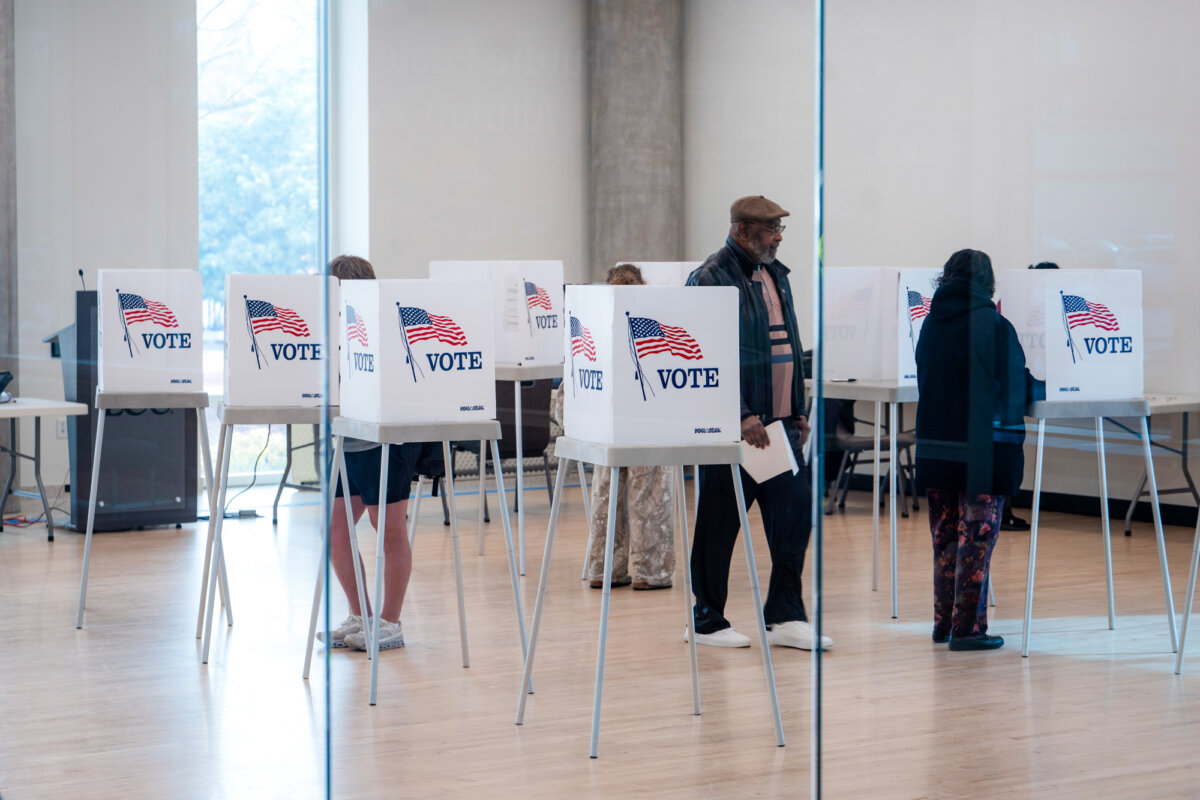
America has another season now: election season.
That is when migrant caravans begin walking north, crime suddenly becomes an emergency, foreign interference is discovered, student debt is forgiven, gasoline is released from government reserves and damaging information about candidates appears just late enough that nobody has time to determine whether it is true.
The events themselves are often real. The suspicious part is how predictably they become important.
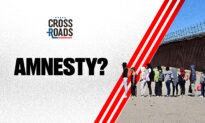
A new migrant caravan recently left Honduras and entered southern Mexico approximately six weeks before the 2026 midterm elections. It reportedly grew to between 400 and 600 people. It is still more than 1,000 miles from the nearest Texas border crossing, has no clearly reported destination and may dissolve long before reaching us.
Nevertheless, it has already become American national news.
Perhaps that is because we have seen this movie before.
The famous Honduran caravan of 2018 began 25 days before the midterms. Another departed roughly a month before the 2020 presidential election. A caravan left Tapachula the night after the 2022 midterms. Then, in 2024, approximately 3,000 migrants departed on Election Day itself.
Four consecutive federal election cycles have included an election-season caravan.
That does not prove an American political party is organizing them. Migrants may hurry because they believe immigration policy is about to change. Organizers may choose dates when they know cameras will be watching. Smugglers, activists, foreign governments and American politicians all have their own incentives.
The more revealing question is not always why the caravan began. It is why American media suddenly notice it—and why they often lose interest after the votes have been counted.
The 2018 caravan was still physically moving after the midterms. It did not disappear on Election Day. Much of the television coverage did.
Caravans are only one of America’s seasonal emergencies.
Crime follows a similar pattern. Crime occurs every day, but every few election cycles a handful of horrible cases are assembled into proof that the entire country is descending into lawlessness. Candidates run the same disturbing footage repeatedly until voters feel the danger is outside their own front door, even when the images came from another city, another year or sometimes another presidential administration.
In 2022, references to crime in Republican campaign advertising rose sharply as the midterms approached. Democrats responded with their own police-funding and public-safety messaging. Crime had not suddenly been invented in September. Political professionals had decided it was useful in September.
Democrats have their own seasonal crops.
In August 2022, President Joe Biden announced a student-loan cancellation program potentially affecting more than 40 million borrowers. In October, about a month before the midterms, he announced federal pardons for simple marijuana possession. Less than three weeks before voting, he announced another release from the Strategic Petroleum Reserve while emphasizing his efforts to lower gasoline prices.
Each policy could be debated on its merits. But pretending the calendar had nothing to do with their presentation would require us to suspend every instinct we possess.
Republicans can no longer claim clean hands—or fiscal responsibility.
President Donald Trump is currently promising a $5,000 “Trump dividend” to every adult American citizen if Republicans retain both the House and Senate in November. His message could hardly be clearer: “If the Republicans win, you win with us and you get $5,000.”
The proposal could cost approximately $1.2 trillion. Congress would have to authorize it, no dependable funding source has been identified and the nation is already carrying more than $40 trillion in debt. Sending another trillion dollars into the economy could also increase inflation, meaning Americans might receive a check with one hand and pay for it through groceries, fuel, interest rates and the diminished value of their savings with the other.
Trump calls it a dividend, not socialism. Biden called his program debt forgiveness, not socialism. Politicians are remarkably good at renaming redistribution when they are the ones doing the redistributing.
The mechanism is different, but the political seduction is almost identical. Biden told student borrowers that his administration would remove part of what they owed. Trump is telling every adult citizen that if Republicans retain power, the government will send them $5,000.
Both parties accuse the other of buying votes with public money. Both appear remarkably comfortable doing it themselves.
Even the money is described as if it belongs to the politician handing it out. But presidents do not possess a private treasury. Government cannot give us anything it did not first take from us, borrow in our names or create by diminishing the value of the dollars we already earned.
This may be the greatest election-season trick of all: politicians borrow money from our children, hand a portion of it to us, put their names on the check and expect gratitude for their generosity.
Trump understood the branding power of this when he placed his name on the 2020 pandemic stimulus checks. Biden later admitted he had been “stupid” not to put his own name on the 2021 checks because Trump received political credit for his.
At least that was an honest admission.
Then there are the investigations and revelations that somehow ripen in October.
Caspar Weinberger was indicted four days before the 1992 presidential election. George W. Bush’s old drunk-driving arrest was revealed five days before the 2000 election. In 2016, the Access Hollywood recording and the first release of Clinton campaign emails appeared on the same day. FBI Director James Comey reopened the Clinton email investigation eleven days before voting. The Hunter Biden laptop story appeared approximately three weeks before the 2020 election.
Some investigations are legitimate. Some revelations should be published. But campaigns also hold information until an opponent has no time to explain, investigate or recover from it. Truth becomes less important than timing.
Foreign interference has become another election-season regular. Every four years Americans are warned that Russia, China, Iran or some other foreign power is manipulating what we see. Sometimes the evidence is substantial. Foreign governments certainly attempt to influence American politics.
But “foreign disinformation” can also become a convenient label for politically damaging information. It allows officials and media organizations to discourage people from examining the contents by changing the subject to who might have released them.
The same is true of voter fraud. Before elections, we hear about thousands—or millions—of suspicious voters, dead voters, noncitizens or questionable registrations. After investigators finish their work, the number of proven unlawful votes is often a tiny fraction of the original headline.
That does not mean election fraud never occurs. It means “potentially suspicious” and “proven illegal” are not the same sentence, although they are frequently sold to the public as if they were.
I am not suggesting every October event is staged. Hurricanes do not consult polling averages. Migrants have their own reasons for leaving home. Crime victims are not political props. Wars, disease outbreaks and economic crises are real.
But real suffering can still be politically harvested.
The simplest test comes after Election Day.
Is the caravan still being tracked? Is crime still a national emergency? Are reporters following the foreign-influence investigation? Did the promised debt relief happen? Is the government still rushing to lower gasoline prices? Did the $5,000 checks arrive? And if they did, who ultimately paid for them?
If the emergency disappears while the underlying problem remains, perhaps the emergency was never the problem.
Farmers understand the difference between growing something and harvesting it. Politicians do not have to create every crisis. Sometimes they simply wait until the most profitable moment to harvest the fear, anger, hope or gratitude it produces.
Perhaps we were the crop all along—and our attention, energy and votes were what they were harvesting.
Views expressed in this article are the opinions of the author and do not necessarily reflect the views of The Epoch Times.
 Friends Read Free
Copy
Facebook
Tweet