Commentary
I have lost friends and family members over politics. I lost relationships during COVID-19, and I lost more when my political views began to change.
People I had known for decades, people I loved, people who knew my heart, suddenly wanted distance from me because I no longer believed exactly what they believed.
And the strange thing is, I don’t think my heart changed very much at all.
I still want people to be healthy. I still want children to be safe. I still want families to thrive. I still care about the environment, the well-being of our communities, individual freedom, and the future of this country. What changed was my understanding of how we get there.
I began questioning whether the solutions I had supported for years were producing the outcomes I wanted. I started thinking differently about what my family needed, what freedom meant, and what role government should play in our lives.
Somewhere along the way, changing my mind became something that other people experienced as a betrayal. And that still makes me sad.
I have written about this extensively because I genuinely cannot understand how people who have loved each other for decades can decide that a disagreement over politics is enough to create distance between them.
The truth is, there isn’t a single person in my life I agree with about everything. Not my closest friends, not my family, not even my husband. And thank goodness, because can you imagine how boring life would be if everyone just repeated back to us what we already believed?
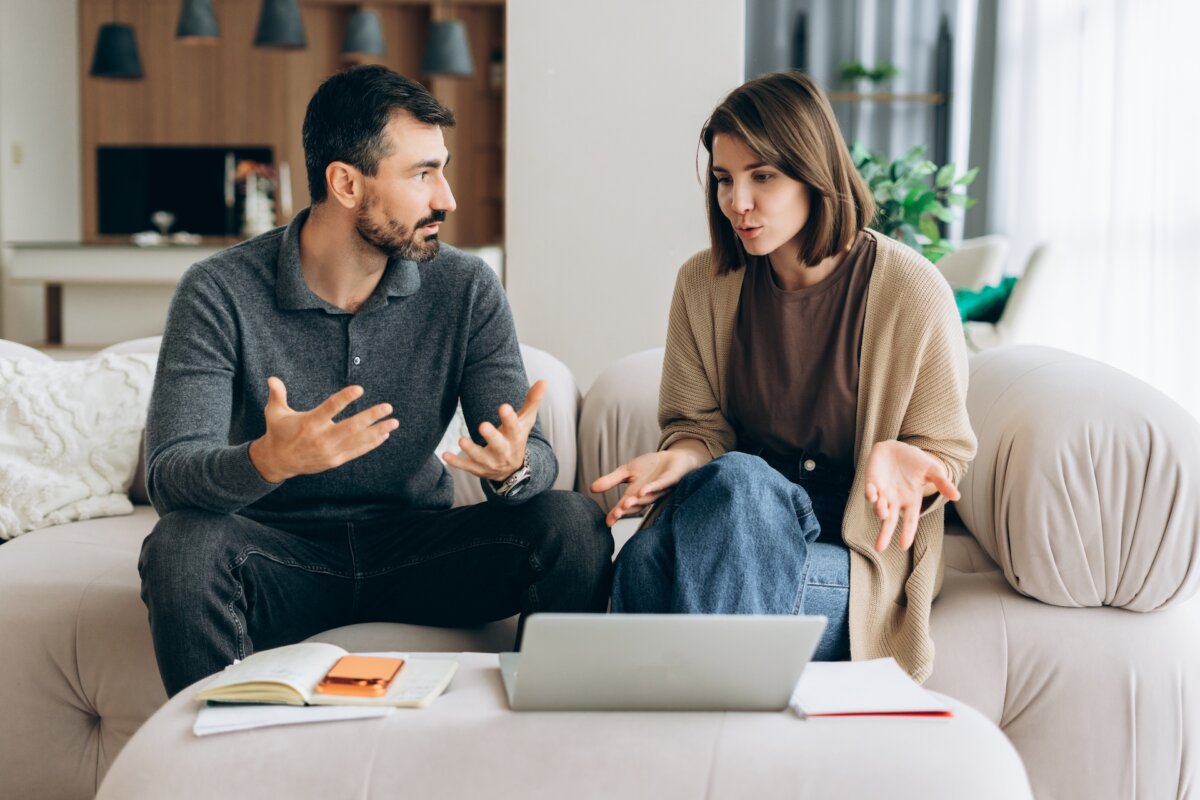
We disagree about how to raise children, how to spend money, what matters most, and what can wait until tomorrow. We work through those disagreements because the relationship matters. But somehow, when politics enters the conversation, disagreement becomes evidence of a fundamental character flaw.
When did we start requiring ideological agreement as a condition of love?
Somewhere in our increasingly polarized world, we have forgotten that two people can want the same outcome and have completely different ideas about how to achieve it.
One person believes that government should intervene to make society fairer. Another believes that the less government interferes, the more opportunity people have to build something for themselves.
One person believes that protecting the environment requires more regulation. Another believes that empowering farmers and landowners to care for their own land will produce better environmental outcomes.
These people might actually want many of the same things. Clean water, healthy children, thriving communities, a future worth passing on to the next generation. They simply disagree about how to get there.
Of course, not every disagreement is that simple. Some involve fundamental questions about morality, freedom, and human rights. Sometimes, the differences are enormous, and sometimes, there really isn’t a middle ground.
But even then, does the person on the other side of the argument have to become our enemy?
A few days ago, I made a video about something I have been thinking about as we approach 2027. I want to spend the coming year looking for common ground with people I disagree with.
Not because I am abandoning my convictions. Quite the opposite. I have spent too much of my life learning difficult lessons to pretend that I don’t believe what I believe. But I am increasingly convinced that we are losing something much more important than political arguments.
We are losing our ability to remain connected to people who see the world differently.
Shortly after I made that video, a friend from California reached out and told me about a nonprofit organization called Disagree Better.
What makes this particularly interesting is who told me about it.
This friend was a longtime supporter of my restaurant in California. In fact, he was the first person to ever order Thanksgiving catering from me. He supported my business long before I began questioning veganism, long before I changed the menu, and long before my political views began to shift.
He could have been angry with me. He could have decided that the changes I made to my restaurant and my beliefs meant that we no longer had anything in common.
But he didn’t.
Through all those changes, even when we disagreed, he always greeted me with a smile and a hug. He continued treating me with the same kindness and warmth he had years ago. And I find it rather beautiful that he was the person who introduced me to an organization dedicated to helping people disagree better.
Because he has been doing exactly that all along.
The initiative began in 2023 with governors from opposing political parties trying to demonstrate that Americans could disagree without treating one another with contempt. It has since grown into an independent nonprofit focused on helping people navigate disagreement more constructively.
I love the premise.
Not agree more. Not compromise on everything. Not avoid difficult conversations or pretend our differences don’t matter.
Disagree better.
I don’t think we will ever live in a world where we all agree, and I don’t think we should want to. Disagreement is how we challenge assumptions, discover things we didn’t know, expose bad ideas, and hopefully, find better ones.
I spent years as a vegan chef believing that raising animals for food was fundamentally wrong. Today, I raise livestock on a regenerative farm. That change didn’t happen because everyone around me agreed with me. It happened because I was willing to question things I once believed with absolute certainty.
And changing your mind publicly is not always a pleasant experience.
When your beliefs become part of your identity, changing those beliefs can feel like leaving a community. People who once celebrated you can suddenly see you as someone they no longer recognize.
But I am still me. I am still the same person who wants to leave the world better than I found it. I simply have come to different conclusions about how to accomplish that.
I also recognize that I might understand some things differently 10 years from now. I hope I am still capable of changing my mind.
What worries me is that we have created a culture where admitting you were wrong can cost you your community. And when the cost of changing your mind becomes too high, people stop questioning their beliefs. They defend positions they may no longer believe because belonging feels safer than being honest.
I think about this with my children. They ask me hundreds of questions, or at least it feels that way, and I want them to grow into adults who can think for themselves. I don’t want them to simply inherit my opinions and repeat them back to me. I want them to challenge me, challenge the world around them, and be curious enough to ask questions.
But what example are we setting if we tell our children to think independently and then refuse to speak to our own family members because they voted for the wrong person?
I don’t think disagreeing better means becoming less passionate. Some things are worth fighting for. Some ideas should be challenged vigorously. There are moments when standing up for what you believe will make other people uncomfortable.
I am not advocating for silence disguised as civility. I am advocating for the possibility that we can have difficult conversations without destroying relationships.
That we can listen without surrendering our convictions. That we can ask someone why they believe something before deciding what kind of person they must be. That we can recognize good intentions, even when we think the proposed solutions are completely wrong.
And maybe, occasionally, we can even learn something.
I know there are relationships in my own life that I cannot repair by myself. I cannot force someone to want a relationship with me. I cannot make someone comfortable with my political beliefs, and I won’t pretend to believe something that I don’t just to make someone else happy.
But I can leave the door open.
I can continue loving people who disagree with me. I can refuse to reduce someone I have known for decades to a vote they cast or an opinion they expressed. I can remember that there was a relationship before the disagreement, and hopefully, there can be one after it.
That is what I want to work on in 2027.
Finding common ground doesn’t mean pretending that our differences don’t exist. It means looking for the humanity underneath those differences. It means remembering that most of us are trying, in our own imperfect ways, to build lives that are meaningful and good.
I don’t need you to agree with me to love you. I don’t need you to vote like me to respect you. And I don’t need to change your mind to have a relationship with you.
I would rather sit across the table from someone who disagrees with me than have an empty chair where someone I love used to sit.
We don’t need to disagree less.
We need to disagree better.
Views expressed in this article are the opinions of the author and do not necessarily reflect the views of The Epoch Times.
 Friends Read Free
Copy
Facebook
Tweet