Half of the United States has formally declared that it wants to host the nation’s new Space Academy, which could welcome its first class of students as early as 2028.
“Since @POTUS announced the creation of the Space Academy in August, we’ve received proposals from 25 states across every corner of the country,” NASA Deputy Administrator Matt Anderson said in an X post on Nov. 17. “That is a clear sign of the national interest in building the institution that will develop America’s next generation of space leaders.”
President Donald Trump announced the creation of America’s newest national academy during a visit to NASA’s Johnson Space Center in Houston in August 2026. A commission was created to advise on a proposed academy, and NASA housing it is an option.
A special commission led by NASA Administrator Jared Isaacman had 120 days to submit a report to the White House proposing key operational details about the academy—including a process for choosing the location.
NASA published a Request for Information form on Sept. 10 and put the call out for states to submit proposals that included, among other things, location information, the site’s readiness, and environmental and regulatory considerations.
The agency challenged bidding states to demonstrate that they can begin construction before the end of 2027, start in-person classes for 300 students by 2028, and have a permanent location operational by 2031.
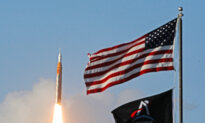
Florida lawmakers were among the first to declare their excitement and intent in their state bidding for the academy. Already touting the nation’s dominant spacefaring force with launch pads at Kennedy Space Center and Cape Canaveral Space Force Station, the Sunshine State also prides itself on its current aerospace education opportunities.
Its plan calls for opening a temporary location at University of Central Florida—a school already nicknamed “SpaceU” because of its founding’s connection to the 1960s Space Race—in Fall 2028, and then opening a 1,000-acre permanent site at Kennedy Space Center that hosts at least 1,200 students by Fall 2031.
“Students would train where America’s space enterprise operates at scale, every day. Kennedy Space Center, Cape Canaveral Space Force Station, and many of the nation’s leading commercial space companies all operate here,” Space Florida said on its website.
“Florida is the only state where civil, national security, and commercial space work side by side at this scale daily. Students would learn alongside the missions they are preparing to lead.”
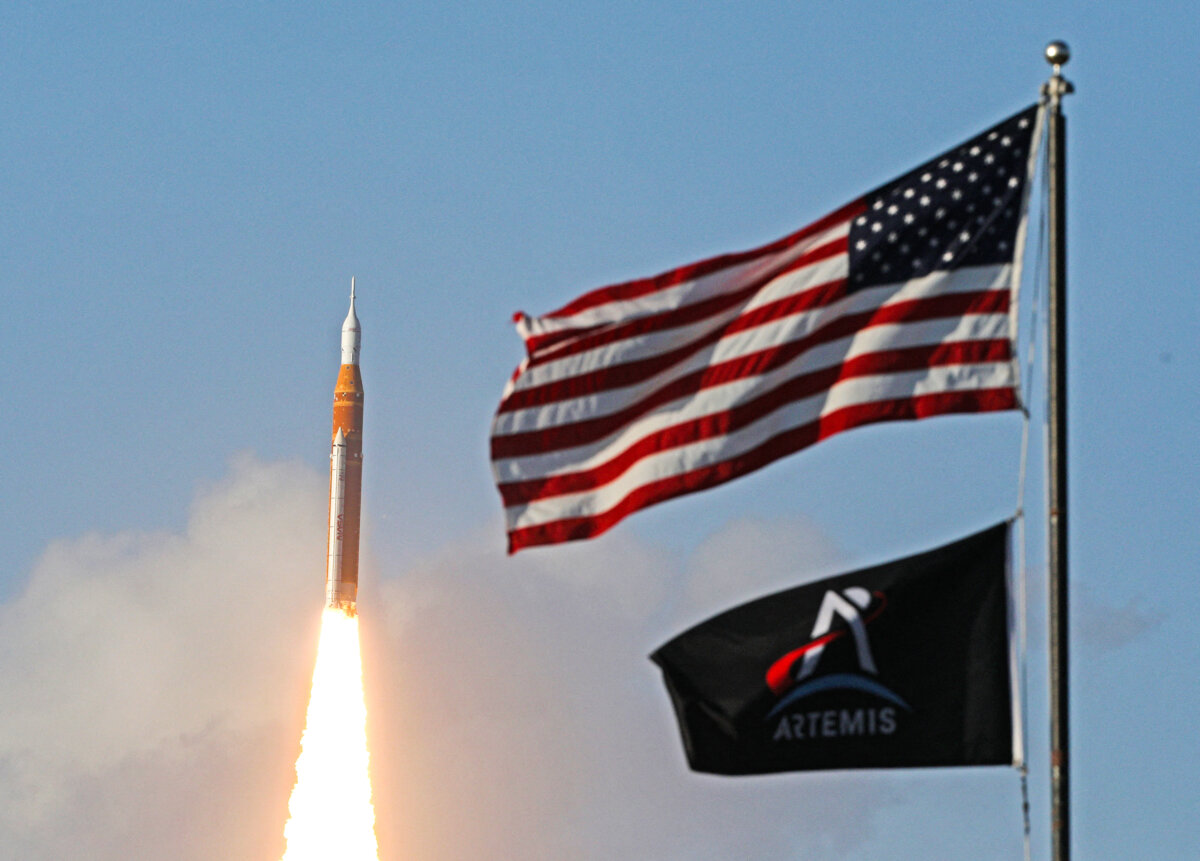
Elsewhere along the Gulf Coast, Louisiana wants to further root its own spacefaring sector. The state already plays a crucial role in NASA’s Artemis program, hosting the Michoud Assembly Facility—nicknamed “America’s Rocket Factory”—in New Orleans, and it is set to host SpaceX’s next Starbase, featuring 10 Starship launch pads.
Its proposal includes building a permanent academy alongside LSU New Orleans’s Lakefront Campus, with neighboring Southern University at New Orleans and Tulane University also offering their academic resources and facilities in support of the mission.
“Greater New Orleans anchors the middle of America’s southern space corridor, which runs from Kennedy Space Center at Cape Canaveral to Johnson Space Center in Houston and SpaceX’s Starbase in South Texas, with Marshall Space Flight Center in Huntsville to the north,” Greater New Orleans, Inc. said on its website.
Other states bidding for the academy that already are active in the space industry include Texas and Alabama, as well as Virginia, which offers proximity to NASA Headquarters in Washington, as well as NASA’s Langley Research Center in Hampton and the Mid-Atlantic Regional Spaceport on Wallops Island; and Ohio, which hosts the NASA Glenn Research Center in Cleveland and the Neil Armstrong Test Facility in Sandusky.
Several western states also threw their name in the ring, including Nevada, which identifies thousands of acres for a permanent site near Reno and Las Vegas; Colorado, which already hosts the U.S. Air Force Academy and identified ranch land in Colorado Springs as a potential location; and Arizona, which already has a legacy of astronaut training and major observatories.
“Arizona, when you think about it, has become a rising space state,” Brett Mecum, chairman of the Arizona Space Commission, said in an address to the media. “We’ve had all the ingredients, and now we’re putting those ingredients into the full recipe to be one of the competing space states with places like Texas and Florida.”
The list of applicant states goes on to include Pennsylvania, Maryland, and West Virginia.
“The commission meets again on Monday, [Nov. 23] to continue working on our report to President Trump,” Anderson said in his post. “That report, due by Dec. 26, will provide our recommendations as the president considers the academy’s next steps.”
 Friends Read Free
Copy
Facebook
Tweet