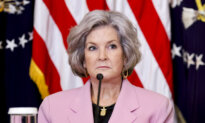
The Centers for Medicare & Medicaid Services (CMS) and participating states announced a $275 million initiative on Oct. 23 to recruit and retain nurses in rural nursing homes and other areas with labor shortages.
The Nurses for Nursing Homes initiative offers eligible nurses up to $40,000 in student loan repayment and a $10,000 stipend in exchange for a three-year service commitment, according to CMS.
The initiative targets staffing gaps that can limit access to nursing home care.
In a February summary of research published in JAMA Internal Medicine, the American Health Care Association (AHCA) said counties with more frequent staffing shortages experienced larger declines in the number of skilled nursing beds facilities could operate. Counties with the largest declines were more likely to be rural.
“When nursing homes can’t find caregivers, residents and families must wait longer or look farther for the care they need,” AHCA President and CEO Clif Porter said.
“The rippling effect on families, hospitals, and rural communities is real. This should be a signal to policymakers that when nursing homes say they need help with workforce challenges, believe them.”
In announcing the new initiative, CMS said recruiting nurses is often harder in rural areas, so it made all rural nursing facilities eligible for the incentive program. Additional facilities in areas with greater labor shortages also qualify. All 50 states and the District of Columbia are participating.
“This initiative will recruit and retain thousands of nurses, expand care in rural and high-need communities, and create new pathways into long-term care careers,” Health Secretary Robert F. Kennedy Jr. said in a statement.
“We are putting resources directly behind the nurses who care for our seniors and strengthening the quality, stability, and dignity of nursing home care across America.”
Funding and Eligibility
Officials said the program is funded entirely through civil monetary penalties already collected from nursing homes, with no new taxpayer money involved. CMS has committed $100 million, while states have pledged at least another $175 million.
“Without taking a dime from taxpayers, CMS is empowering the next generation of nurses to pursue their dreams and helping residents form deep bonds with caregivers so they can live happier, healthier lives,” CMS Administrator Dr. Mehmet Oz said in a statement.
Eligible participants must hold an active registered nurse, licensed practical nurse, or vocational nurse license when they begin employment. They must work at least 30 hours per week at a qualifying facility on average and commit to three years of service.
Nurses with eligible student loan debt may qualify for both loan repayment and the stipend. Those without qualifying debt may receive the stipend if they graduated within the past two years.
Generally, applicants must not have worked in a nursing home during the 60 days before opening an application account and starting an application. A temporary exception allows some nurses recently hired by eligible nursing homes to apply during the program’s initial enrollment period.
Recruitment Challenges Persist
The nursing home workforce has been recovering from COVID-19-pandemic-era losses, but providers still report difficulty hiring.
In its January 2026 workforce report, AHCA said nursing homes added about 40,700 workers during 2025 but remained roughly 26,500 workers below February 2020 employment levels. Those figures cover the overall nursing home workforce, not just nurses.
The report also cited a May 2025 provider survey in which 91 percent of respondents described recruiting staff as somewhat or very difficult. At the same time, the population of adults aged 80 and older is projected to rise by 8 million over the next decade.
“Supporting our nation’s seniors and their caregivers should remain a high priority for lawmakers in 2026,” Porter said in a statement. “We must be able to meet the demand for care that will soon explode.”
 Friends Read Free
Copy
Facebook
Tweet