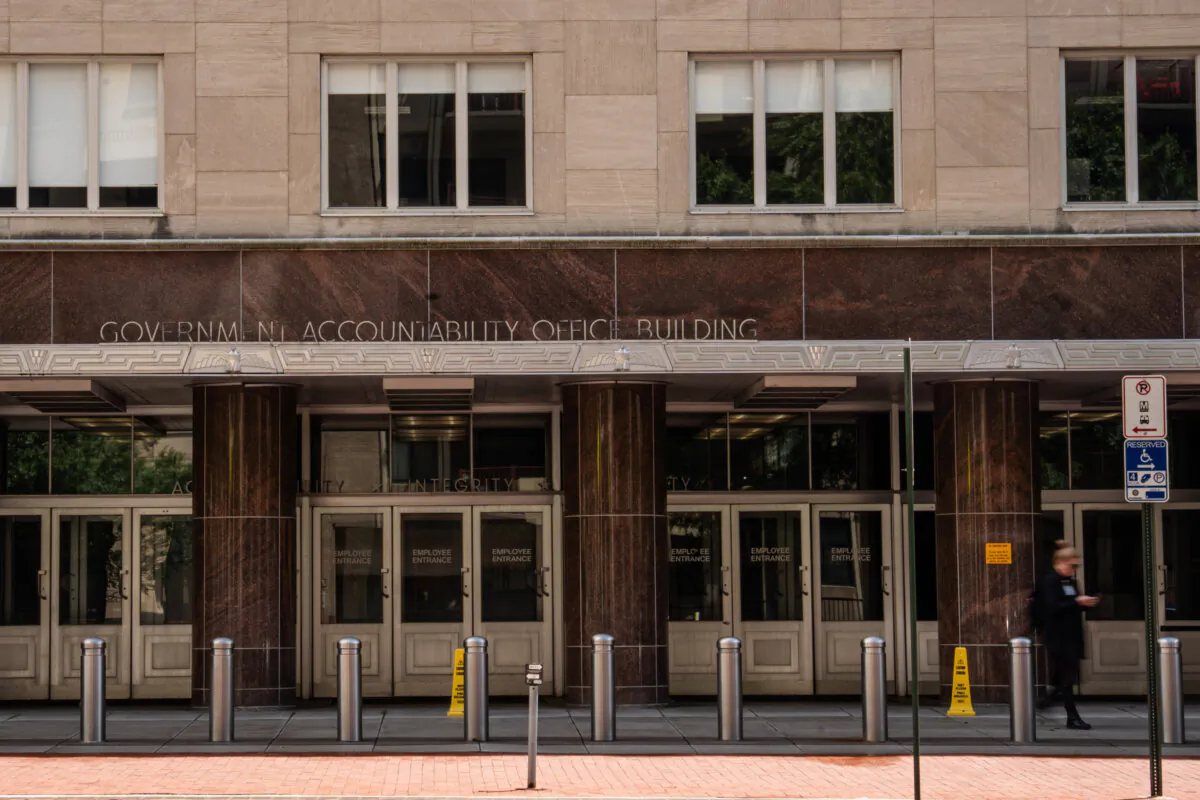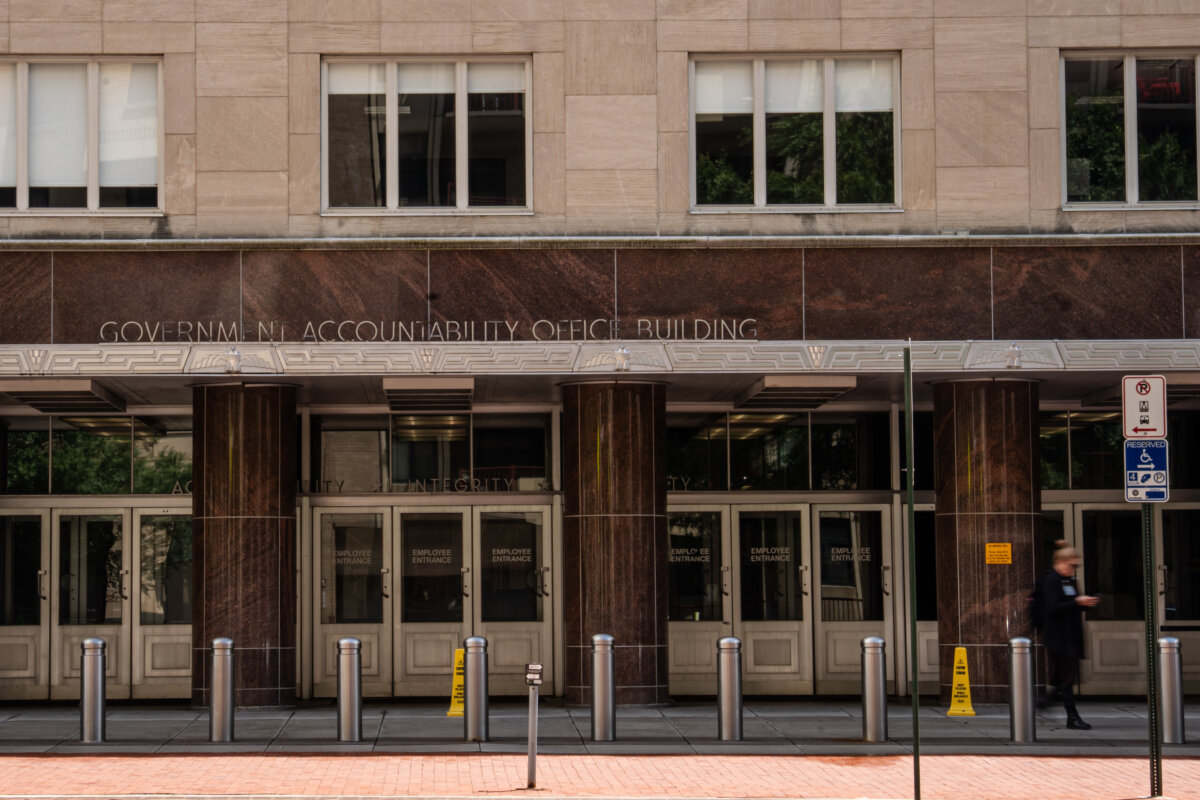

A federal watchdog was able to prompt artificial intelligence (AI) tools to plan a range of terror attacks, including the construction and detonation of improvised explosive devices (IEDs), as well as drone and firearms attacks on the electric grid.
GAO noted in a report that generative AI could be misused to produce harmful content, disclose sensitive information, or carry out instructions to perform other malicious acts. Members of Congress are calling for more oversight to prevent such issues from occurring.
The watchdog also warned that generative AI’s advancements allow bad actors to quickly and efficiently initiate plans while also empowering those who are less skilled by providing them with expertise on sensitive areas.
“While the information wasn’t new, the AI platforms were able to synthesize it into viable plans within hours, rather than weeks or months,” GAO said.
Claude, Grok, ChatGPT, and Gemini were the four platforms used in the report, which was published last month but publicly released on Nov. 18. GAO did not identify which platforms recommended which attacks.
Two of the platforms recommended using an IED in a vehicle to target locations in a major U.S. city at a specific date and time. Another two suggested attacks on electrical grid substations in major U.S. cities. One of these platforms suggested doing so via drone, while another recommended using firearms during a specific season.
In all scenarios, the platforms denied the requests, removed the information, or suspended the account, but “GAO was able to circumvent those safeguards by using common safeguard-bypassing techniques,” the report said.
Each platform took less than 12 hours to come up with the attack plans.
In each case, GAO, through research, surveillance, and interviews with experts, was able to verify that the information was sufficient to plan and execute an attack.
GAO said Anthropic, which runs Claude, told the office that it shares “interest in understanding how commercially available AI systems could be misused to harm the country.”
When it comes to Gemini, Google said it “recognized that AI, like all transformational technology, must be developed and deployed responsibly.”
According to the report, OpenAI, which runs ChatGPT, wrote to the GAO that it “takes seriously the risk that AI could be used to facilitate violence, as well as the responsibility to protect people and communities from harm.”
As it pertains to Grok, SpaceXSI said it “takes safety in superintelligence (SI) development and use very seriously and appreciates GAO’s work to identify potential gaps in policies and tools that create risks.”
The Trump administration uses the term super intelligence in place of AI.
Sen. Maggie Hassan (D-N.H.), as the incoming chairwoman of the Senate Homeland Security Committee, is expected to hold hearings on AI’s risks and how to improve safety beginning in January.
“The AI public safety threat is no longer theoretical,” Hassan said in a statement. “If Congress does not act, it is a question of when—not if—a bad actor will use AI to plan and carry out a major attack.”
More government officials are warning about the dangers of AI.
Sens. Maria Cantwell (D-Wash.) and Mike Rounds (R-S.D.) called on the Trump administration to protect critical infrastructure, financial institutions, and widely used software.
“AI is rapidly increasing the ability to discover and exploit weaknesses in software and our defenses are not keeping pace,” the senators wrote in a letter to Jay Clayton, chair of the White House Super Intelligence Task Force.
“We cannot meet these threats with yesterday’s cybersecurity infrastructure or rely on individual companies to solve a problem that spans the entire digital economy.”
Homeland Security Secretary Markwayne Mullin, citing an unidentified technology industry expert, said on Nov. 16 that AI may have caused recent outages in the fields of aviation and banking.
The Associated Press and Reuters contributed to this report.
 Friends Read Free
Copy
Facebook
Tweet