
Elections Alberta spent more than $84.2 million to run the 2026 referendum, which exceeded its original budget by 143 percent, as the agency said it hired more people to manually count the ballots.
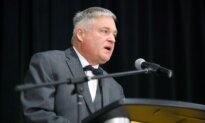
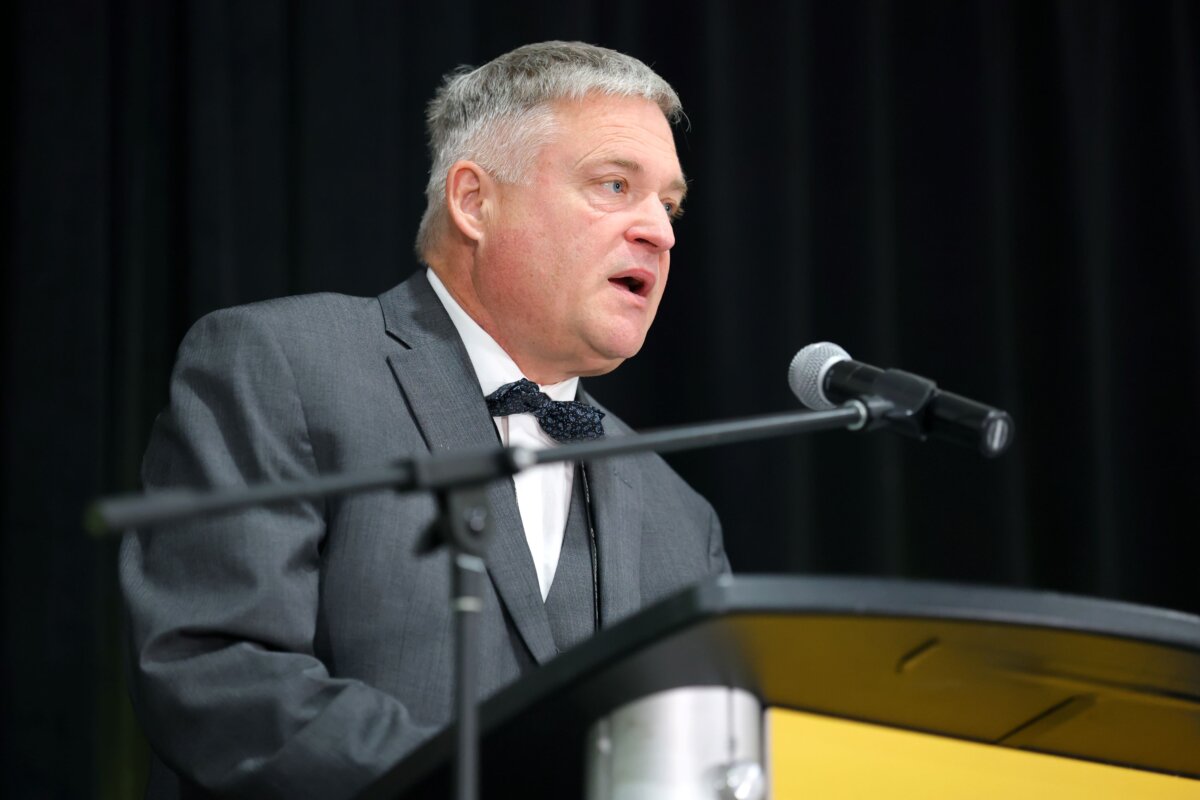
Chief Electoral Officer Gordon McClure and other officials spoke to the province’s Standing Committee on Legislative Offices on Nov. 5 about the referendum and requested additional budget funding to cover the cost overruns and future election expenses.
Data from the agency showed it spent $84,268,919 on this year’s referendum, exceeding its $34,710,485 budget by $49,558,434. The agency’s annual budget is roughly $51 million.
Of that $49.5 million in additional costs, $26.1 million went toward paying 47,000 workers to count the ballots manually, $6.9 million went to renting venues and furniture, $6.3 million went to freight and postage, $5.6 million to receiving and processing the special ballots, $2.3 million to security and vehicles, and $2.2 million to additional technology equipment.
In the referendum, 74.95 percent voted for Alberta to remain in Canada, while 25.05 percent supported holding a referendum on separation. On the other nine questions, voters approved four proposals concerning immigration and access to provincial services and rejected four involving constitutional changes.
As part of its supplemental budget request, Elections Alberta asked the committee for $49.5 million to cover the referendum’s cost overruns, $9 million to prepare for the 2027 provincial general election, and $993,742 to fund 23 full-time equivalent positions.
Of the $9 million requested for election preparations, $4.5 million would go toward staffing, $3 million toward materials and supplies, and $1.5 million toward advertising.
McClure cited three main reasons for the cost overruns: paying ballot-counting workers accounted for 53 percent of the additional expenses; workers had to count ballots for all 10 referendum questions; and continuous overnight counting required security and counting facilities across the province.
“The Oct. 19, 2026, provincial referendum was an unprecedented electoral event in both scale, scope, and complexity,” McClure said, noting that the referendum involved 22 million ballots, more than the number cast in the 2025 federal election.
Steve Kaye, the agency’s chief administrative officer, said the referendum’s time commitment “was crushing” for many volunteers. He said his longest shift was 22 hours, while other officials worked 16 to 20 hours per day.
In response to a question, Kaye said Elections Alberta can deliver the 2027 provincial election using the new electoral boundaries the legislature approved.
The agency had initially asked the provincial government to either retain the existing electoral boundaries for the scheduled election, or postpone the vote if the province adopts new boundaries. The province said it would not postpone the election.
 Friends Read Free
Copy
Facebook
Tweet