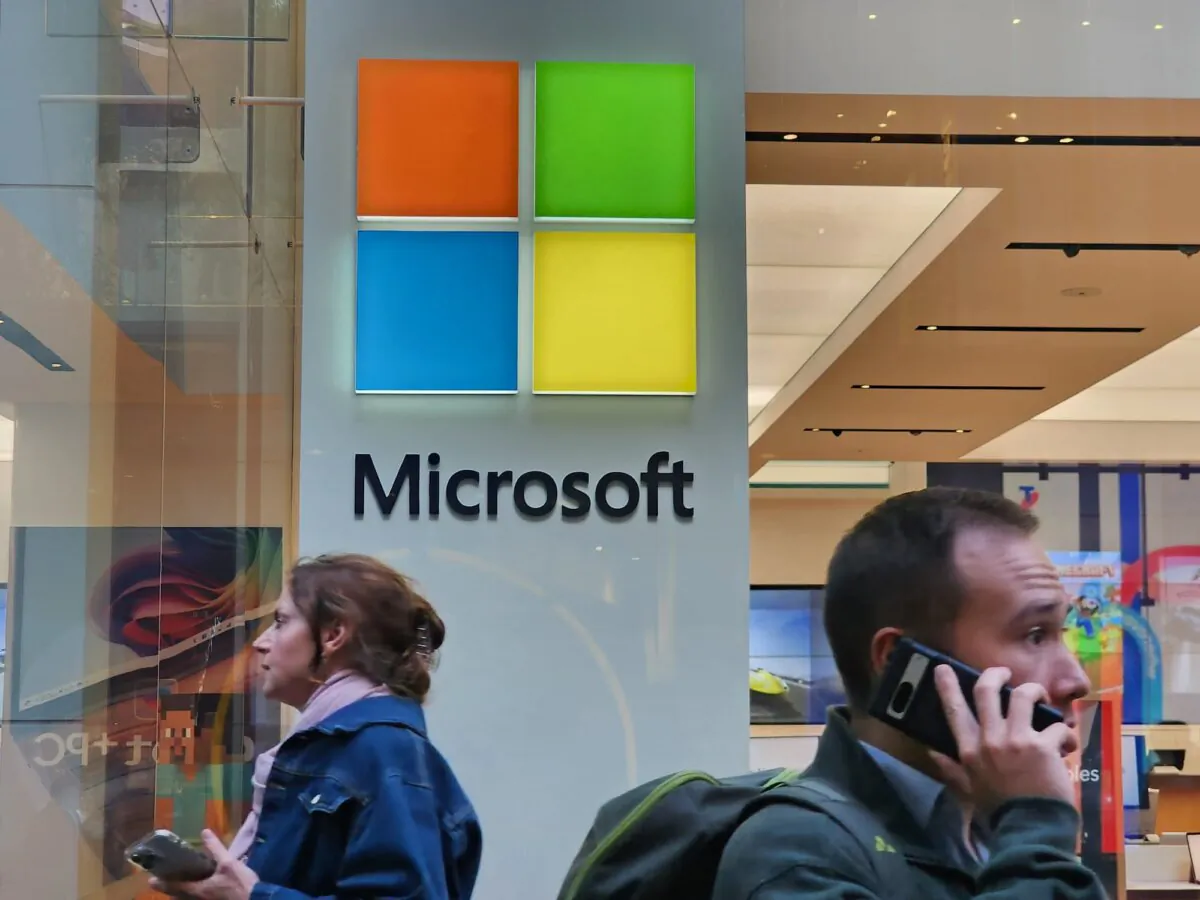

The Microsoft outage is being described as a disaster for the Australian business sector, with costs running into billions of dollars.
Microsoft 365, Outlook, Teams and other apps have been disrupted globally since early on Nov. 13, causing widespread chaos as business and government sectors scrambled to find workarounds.
The financial impact had already been massive in the 12 hours the systems had been down, a privacy and security expert said.
On the afternoon of Nov. 13, Microsoft said it was still working to resolve the issue.
“This includes verifying the reasons for service failures so we can develop specific actions to improve stability,” the company said.
The cost to Australia would be billions of dollars, said Ashwin Pal, of risk advisory firm RSM Australia.
“That’s not just direct, but indirect costs as well,” he said.
“But a protracted event like this can easily be the straw that breaks the camel’s back for smaller entities.”
He said his clients had activated business continuity and disaster recovery plans, but many businesses didn’t have a fallback.
“They’re just at a standstill—if you don’t actually have a plan B, then you’ve got a problem,” he said.
The outage, which began shortly before 5 a.m. AEDT, has affected many government agencies.
The Australian Federal Police was affected by the crash, Commissioner Krissy Barrett said, as was the Australian Security Intelligence Organisation (ASIO).
“We operate on multiple levels, so one level, yes [we are affected], but not completely,” ASIO’s Director-General Mike Burgess told reporters in Sydney.
Australia Post suspended its phone payment system and suppliers were unable to send delivery notices to supermarket distribution centres.
Pal said that Microsoft was obviously struggling to recover, which raised bigger questions.
“I’m a technologist and I’m actually flabbergasted as to how something like this could have happened … they pushed out a change which should have been tested,” he said.
The Australian Computer Society renewed its call for a national review of sovereign risk in Australian IT.
“Australians who couldn’t get paid, couldn’t send an invoice, or couldn’t reach a government service are entitled to be worried,” chief executive Prins Ralston said.
“Where were the direct updates to Australian customers and media—and who will answer for the lost productivity and the cost to the economy?”
Such a widespread and prolonged global outage highlighted the dangers of reliance on a very small number of tech firms, University of Melbourne professor Toby Murray said.
“And to find ourselves many hours later still in the same position that we were when we got up this morning, it really is surprising,” he said.
Workarounds had included people using personal email accounts and alternative platforms and making a lot more phone calls.
“But everyone moving to doing business through their personal email for the day definitely creates security risks,” Prof Murray said.
“Today is probably also not a bad day to be trying to scam people with email scams.”
Burgess said a briefing he received from the national cybersecurity co-ordinator and Microsoft indicated the outage was similar to the 2024 CrowdStrike outage.
That affected workplaces, airports and national security globally after a faulty configuration update crashed almost 8.5 million computers.
By Abe Maddison and Farid Farid in Adelaide
 Friends Read Free
Copy
Facebook
Tweet