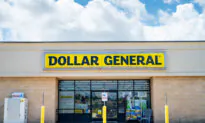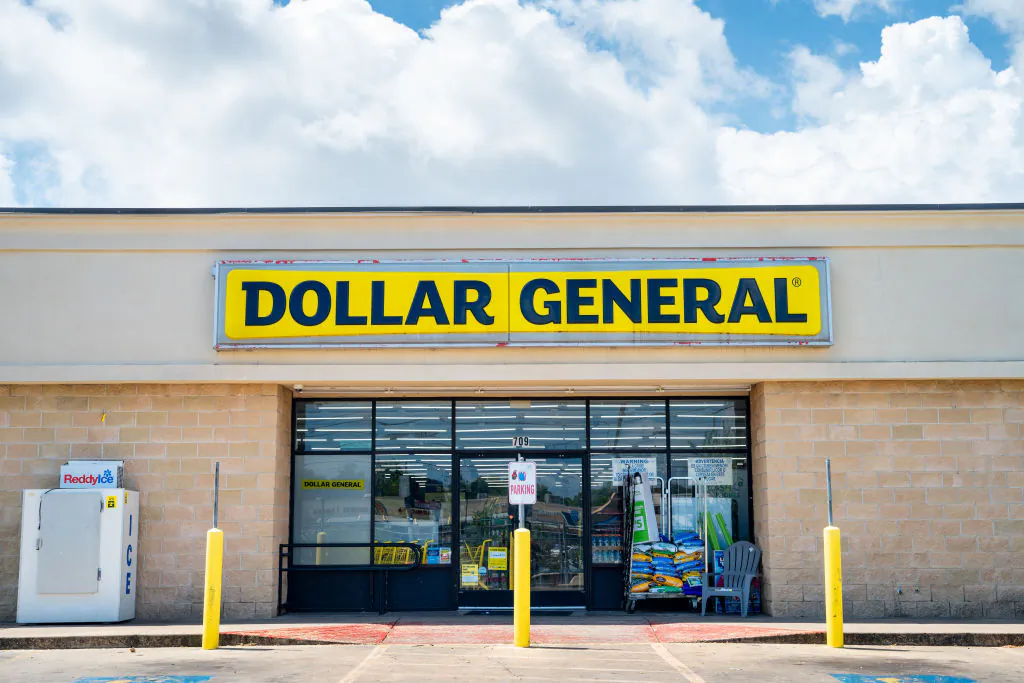
The Federal Trade Commission (FTC) and 20 states have filed a lawsuit against Dollar General Corporation, alleging the company charged shoppers more than advertised for many products.
“Although Dollar General promises convenience, low prices, and value, the company has routinely charged customers more at the register than the prices displayed on shelves, price tags, and advertisements,” the FTC said in the Oct. 26 lawsuit filed in the U.S. District Court, Middle District of Tennessee.
“This pattern of inaccurate pricing has persisted for years and affects millions of purchases across the country.”
Between Jan. 1, 2019, and March 31, 2026, the company’s pricing policies have allegedly demonstrated “pervasive and systemic pricing inaccuracies, rather than isolated or accidental errors,” the complaint said.
Dollar General received at least 29,265 complaints about not honoring marked prices between Jan. 1, 2023, and March 31, 2026, filed across 48 states where the company operates, the lawsuit said.
Previously, the company had paid more than $6 million in penalties between 2019 and 2025 to settle cases filed by six state attorneys general and consumer protection agencies regarding pricing inaccuracies, the complaint noted.
Because of Dollar General’s alleged unlawful conduct, U.S. customers have paid more than expected for household goods and necessities, enriching the company at the expense of low-income and rural households, whom Dollar General claims to serve, the lawsuit said.
Households making $35,000 or less per year account for around 60 percent of Dollar General’s revenue. The company sells roughly 2,000 items for $1 or less.
The FTC accused Dollar General of violating Section 5(a) of the Federal Trade Commission Act, which declares unfair or deceptive acts or practices in commerce as unlawful.
The company is also alleged to have violated the Gramm-Leach-Bliley Act, which concerns customer data protection.
The lawsuit alleges that Dollar General made “false, fictitious, or fraudulent statements or representations” to customers to obtain financial information, such as debit or credit card details.
In addition, Dollar General is accused of violating several state laws, mostly concerning trade and consumer protection.
The latest FTC lawsuit asked the court to issue a permanent injunction to prevent the company from breaching such laws in the future.
The 20 states that joined the FTC in the lawsuit are Alabama, Arizona, Arkansas, California, Connecticut, Florida, Illinois, Iowa, Kansas, Louisiana, Michigan, Mississippi, Nebraska, New Jersey, North Carolina, Ohio, Oklahoma, Tennessee, Utah, and Wisconsin.
In an Oct. 26 statement, the FTC said that despite knowing about the misleading pricing issues, Dollar General failed to implement policies to address these problems adequately. The company operates more than 21,000 stores nationwide.
“Dollar General has betrayed the trust of millions of American consumers and imposed significant financial harm on communities and consumers who are already struggling to make their paychecks last,” Christopher Mufarrige, director of the FTC’s Bureau of Consumer Protection, said in the statement.
Dollar General Response, New York Settlement
In an Oct. 26 statement on the FTC lawsuit, Dollar General said it learned of the agency’s investigation in February and has submitted more than 200,000 documents and more than 350 GB of data, and sent company representatives to offer sworn testimony on the issue.
Dollar General received a draft complaint and draft settlement order in September, with FTC staff seeking an unrealistic monetary amount, the company alleged, and later worked toward resolving the matter without litigation.
“We were surprised when, rather than responding to our monetary counteroffer and allowing the negotiating process to continue, the FTC filed this lawsuit and for the first time made the company aware that 20 States had chosen to join,” Dollar General said.
“Although we respect the FTC’s role in protecting American consumers and the State representatives’ role in protecting the citizens of their respective states, we will defend this litigation vigorously.
“We remain ready and willing to engage in reasonable, meaningful discussions to resolve this matter.”
Meanwhile, Dollar General recently agreed to a $1.87 million settlement with New York after the Office of the Attorney General alleged it charged customers more than the advertised price, according to an Oct. 15 statement from New York Attorney General Letitia James’ office.
Under the settlement, Dollar General will donate $1.87 million worth of food items and personal goods to Foodlink, a nonprofit that provides food assistance. The company also agreed to reform its policies to ensure shoppers are not overcharged.
 Friends Read Free
Copy
Facebook
Tweet