



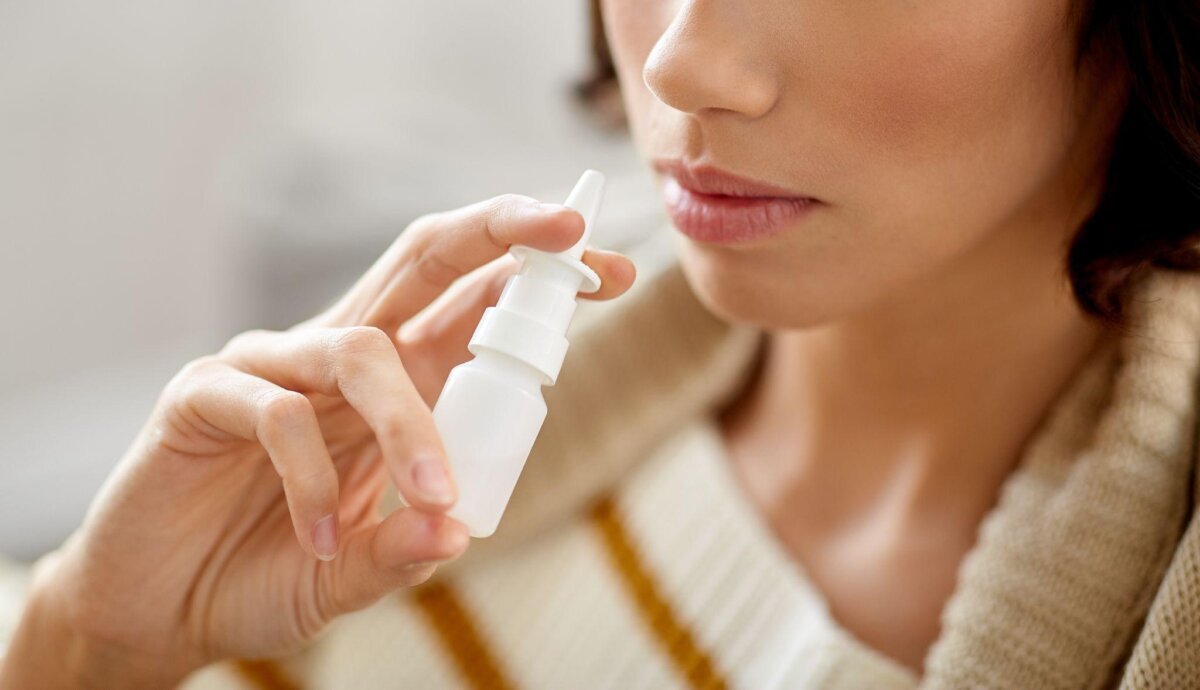
A recent study involving 13,799 adults suggested that readily available nasal sprays are effective in shortening the effects of colds, flus, and other respiratory tract infections.
The study, published in The Lancet Respiratory Medicine, found that the use of nasal sprays, physical activity, and stress management could shorten the duration of respiratory infection.
The authors described the findings as a way to reduce patients’ symptoms while cutting down on antibiotics.
The participants were all adults with at least one comorbidity—obesity, heart disease, diabetes—or respiratory issue —asthma, lung disease. They were recruited through primary care physician practices in the UK and were randomly divided into four groups.
One group of 2,935 participants used a gel-based nasal spray, another group of 2,967 participants used a saline-based nasal spray, another group of 2,727 was given online instructions on exercise and stress management, and another group of 2,983 was given the usual treatment advice about managing illness.
Saline Sprays Prevent Infections
The research trials tested two nasal sprays—Vicks First Defence, a gel-based spray, and Sterinase, a saline liquid-based spray. The study found that both reduced the length of illness by about 20 percent compared to the group that got the usual treatment advice.
The authors said the fact that a saline rinse had the same effectiveness as a gel-based nasal spray suggested that the benefits were from washing out the nasopharynx, rather than the ingredients.
The researchers found that the nasal sprays reduced the duration of the infection, and both the nasal sprays and instructions on stress management and exercise reduced the need for antibiotics.
“The important finding of a reduction in the use of antibiotics is also potentially very important in the fight against antibiotic resistance, one of the major public health threats of our time,” Paul Little, a professor of primary care at the University of Southampton, said in a statement.
Little, the leader of the trial, said the results are especially important to consider during the winter months, when there is a surge in infection rates.
“Given these results, our advice, particularly for those at higher risk from infections or those who get recurrent infections, is at the first sign of cough, sore throat, cold, or flu-like symptoms, use a nasal spray to prevent it from developing fully, and to use the sprays preventatively after close exposure to people with infections,” Little said.
Frequent Spraying Yields Best Results
Lucy Yardley, a professor of health psychology at the University of Bristol and University of Southampton, said the frequency of use of nasal sprays played a key role in fighting infection.
“Our analysis suggests that the benefits were even greater when people used the sprays more often—we advised six times a day at the first sign of a cold—but many people in the study did not use the spray that often,” she said in the statement.
Upon joining the study, participants were told to use the spray six times daily, with two sprays in each nostril after potential exposure to infection. However, most participants didn’t comply and still reaped benefits.
The participants who were steered to activity and stress management instead of the spray medication had just a 5 percent decline in sick days compared to the control group. However, the researchers said in their statement that “this cost-effective option could have a significant impact on population terms, given how easy it is to provide online advice to the general public.”