


The body is made to move. In fact, without adequate movement, certain essential functions just don’t work. The lymphatic system system, for example, needs muscle movement to pump lymph and cleanse the body of dead cell waste and other potential toxins. And when it comes to maintaining brain health, and preventing Alzheimer’s, exercise is the single most important thing you can do. It only takes 20 minutes of exercise daily to prevent a number of diseases, such as heart disease and diabetes, yet only a small percentage of people actually exercise. There are few things that can impact our energy, productivity, and joy like exercise. In fact, for those suffering depression, exercise is often more effective than drugs—and it comes with several benefits rather than side effects. Fitness should be fun, so finding activities that appeal to you is key. Start slow with small goals and monitor your target heart rate so you can adjust your activity as needed. Working out with a friend or family member can make it more enjoyable and help you stay accountable. You might find that exercising outside allows you to benefit from movement, fresh air, and sunshine all at once. And fitness usually causes you to be more mindful about drinking water, another wellness goal that’s often hard to reach.

3 Exercises to Help You Stand up More Easily
The ability to stand up from a seated position may reflect overall health status.

Can Creatine Support Aging Muscles Without Exercise?
A study suggests creatine may improve strength in middle-aged adults who don't work out, but there's a catch.
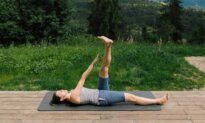
5 Stretches to Help Prevent Muscle Spasms
Charley horses are painful and can leave you sore for days. Instead of reacting to them, let's try to prevent them with these simple stretches.
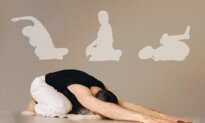
A 10-minute Spinal Stretching Routine to Alleviate Lower Back Pain
A study found that stretching and strengthening yoga routines could be a promising treatment option for nerve pain caused by lumbar disc herniation.

Why the Belly Gets Bigger With Age–TCM Approaches That May Help
The timing of certain foods, specific exercises, and acupressure can help restore the body's metabolic balance.
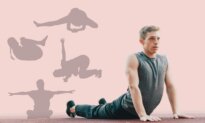
An 11-Minute Stretch Routine to Nourish Your Digestive System
Movement is as important as a healthy diet for a well functioning digestive system.

Can Pets Help Keep Your Brain Young?
Your pet might be one of your best health boosters, especially if it’s a dog. A study that followed older adults for over a decade found those with pets held ...

Limp Doctoring: 5 Exercises to Smooth Your Gait
Limping affects how you walk and can lead to other structural problems. These exercises may lessen your limp.
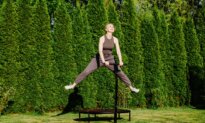
Rebounding: A Low-Impact Way to Build Balance and Strength
Research suggests that this low-impact workout may support balance, bone strength, and pelvic floor function.
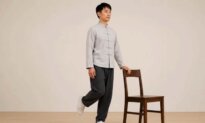
1 in 3 Older Adults Have Difficulty Walking: 3 Leg Movements That Offer Similar Benefits
Even with limited mobility, lower-body exercises can benefit overall health.
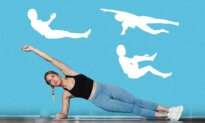
Improve Your Golf Swing With This 10-Minute Oblique Workout
Strong obliques do more than define your waistline–they power your body's rotation and keep you stable through every move.

What Happens When You Walk Barefoot?
Did you know that when your bare feet touch the ground, your nervous system shifts into a state of calm? Walking barefoot gives our brain a wealth of new sensory ...
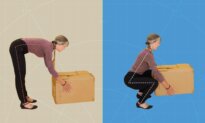
Everyday Lift and Carry Mistakes and How to Do Them Properly
Bad lifts hurt backs, and poor carries can lead to falls. Here are several common lifts done right, and advice for carrying.

Stair Climbing May Cut Heart Disease Death Risk by 40 Percent
Stairs are a great way to get some quick exercise. You have to lift your entire body with each step, and that’s good for your heart. The science proves it. ...
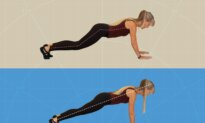
Planks: 6 Common Mistakes and How to Do Them Properly
A properly done plank makes for a strong core–essential for balance and stability. Done improperly, they have some drawbacks.

5 Ways to Counter the Effects of Prolonged Sitting
Prolonged sitting can have wide-ranging effects on the body, influencing the nerves, brain, and metabolism.

2 Squat Variations to Rebuild Strength After Knee Replacement
Resuming daily activities and strength training under professional medical guidance is the best medicine post knee surgery.
How Exercise Changes Your Brain, From Minutes to Years
Your brain needs exercise as much as your body does.
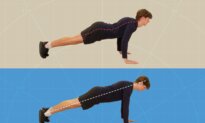
Push-Ups: 9 Common Mistakes and How to Do Them Properly
A poorly performed push-up form can do more harm than good.
Stiff After Sitting? Try This 10-minute Hip and Core Routine.
Sitting for hours on end can cause a multitude of aches and pains in the body–strengthening and stretching your psoas muscle can provide relief.
The Will to Recover: 3 Ways to Support the Body’s Healing
A sense of purpose combined with relaxation, focus, and consistency can help the body move toward a more stable state.
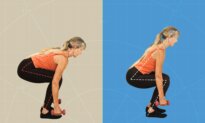
Squats: 6 Common Mistakes and How to Do Them Properly
Squats can build powerful leg muscles and decrease your risk of falls, but you have to perform them correctly.

What Your Complexion May Be Telling You About Your Health
According to traditional Chinese medicine, the area around the eyes and the lips may offer clues about a person’s overall health.
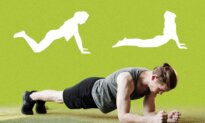
Correct Hunchback With a 10-Minute Back-Strengthening Workout
Long hours spent hunched over with a rounded back and collapsed chest may affect the circulation of energy and blood, according to traditional Chinese medicine.
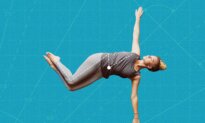
5 Trunk Rotation Exercises to Maintain a Flexible, Functional Spine
Flexible backs can optimize movement and help avoid pain. These trunk rotation exercises can maximize your spine's flexibility and your overall quality of life.
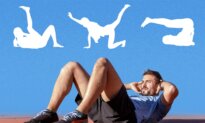
10-Minute Core Exercise for a Stable Spine
A gentle, spine-friendly core routine can support recovery after spinal surgery.
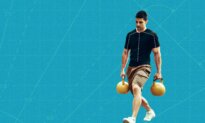
Carry Science: 6 Carrying Exercises for Strengthening a Multitude of Muscles
Humankind has been carrying items for thousands of years, and there's therapeutic value in doing so. These carrying exercises can help make you stronger.