A lawsuit was filed against the Trump administration in September 2025, alleging violations of the FirstAmendment. In November 2025, a federal judge issued a preliminary injunction that blocked the administration’s funding cuts.
—A federal judge on Wednesday rejected arguments made by an artificial intelligence company that its chatbots are protected by the FirstAmendment—at least for now.
Chamber of Commerce, the American Farm Bureau Federation, and the California Chamber of Commerce, filed a lawsuit challenging SB 253 and SB 261, alleging a FirstAmendment violation.
At the time, Sen.
Constitution's FirstAmendment, unions said in a lawsuit filed on Oct. 16.
"The Challenged Surveillance Program is carried out to identify and punish noncitizens who express viewpoints disfavored by the government," the suit states.
The justices appeared critical of TikTok’s argument that the law violated its FirstAmendment rights to free speech.
🇺🇸More Breaking News, Special Reports, and Live Coverage on NTD: https://ept.ms/NTD_LIVE
"But in the here and now, the FirstAmendment bars government officials from shutting down peaceful protests, and the Fourth Amendment (along with the District’s prohibition on false arrest) bars groundless seizures."
“Any burden experienced by adults is therefore only incidental to the statute’s regulation of activity that is not protected by the FirstAmendment,” he wrote.
"The Defense Department’s attempt to limit how credentialed reporters gather the news and what information they may publish is antithetical to a free and independent press and prohibited by the FirstAmendment.”
The officers argue that including their names in court records would infringe their FirstAmendment rights and chill their ability to express political opinions.
In a lawsuit filed on June 17, X said the state law would force the disclosure of “highly sensitive and controversial speech” that is fully protected by the FirstAmendment and “disfavored” by the state.
During the hearing, Roy said: "[We are] not suggesting that we shouldn't have groups that are able to exercise all of their FirstAmendment rights and speak clearly and freely."
Multiple officials warned that the move was likely outside federal jurisdiction, was unlawful because it implicated the parents’ FirstAmendment free speech rights, and would be seen as political.
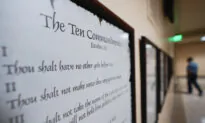
District Judge Fred Biery of San Antonio ruled that Texas Senate Bill 10, set to take effect on Sept. 1, likely violates the "FirstAmendment respecting an establishment of religion or prohibiting free exercise."
The Southeastern Legal Foundation, a nonprofit that represents the plaintiffs, said the decision by the federal appeals court was “a huge victory for the FirstAmendment.”
FirstAmendment
The plaintiffs argued that using excessive force at protests could make individuals less inclined to exercise their rights out of fear of consequences or reprisal.