The SupremeCourt agreed on Oct. 19 to review the constitutionality of a federal law that bans home distilling of alcoholic spirits that was enacted after the Civil War to crack down on liquor tax evasion.
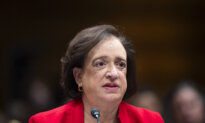
In her previous public appearance, over the summer, she said that the SupremeCourt is “very conservative” but that it was not acting as a rubber stamp for President Donald Trump.
In January 2026, the Federal Court of Appeal upheld the central findings, prompting the federal government to seek leave to appeal to the SupremeCourt.
SupremeCourt hears oral arguments at 10 a.m. ET on Oct. 14 in Salazar v. Paramount Global, a case examining whether a 247Sports newsletter subscriber qualifies as a “consumer” under the Video Privacy Protection Act.
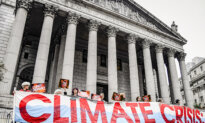
The SupremeCourt is back for its 2026–2027 session this week, and will hear cases involving climate change lawsuits, proof-of-citizenship in voting, and more.
The government appealed to the SupremeCourt. Lawyers said that the majority’s reading of the law was wrong and conflicted with the Supreme Court’s analysis in a 2010 decision.
“The Commission may exercise its discretion to set its own procedures and schedule for resolving such applications,” the SupremeCourt said.
The FCC hailed the new ruling.
"We are pleased the SupremeCourt has granted the FCC's stay request.
The attorneys also ask the SupremeCourt to decide whether a lower court can fine a president and his lawyers close to $1 million merely for making that argument, even if the court rejects it in the end.
SupremeCourt could end up deadlocked in a 4–4 vote, which would leave the Colorado Supreme Court’s ruling in place.
The justices are expected to rule by June 2027 or July 2027.