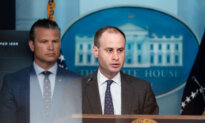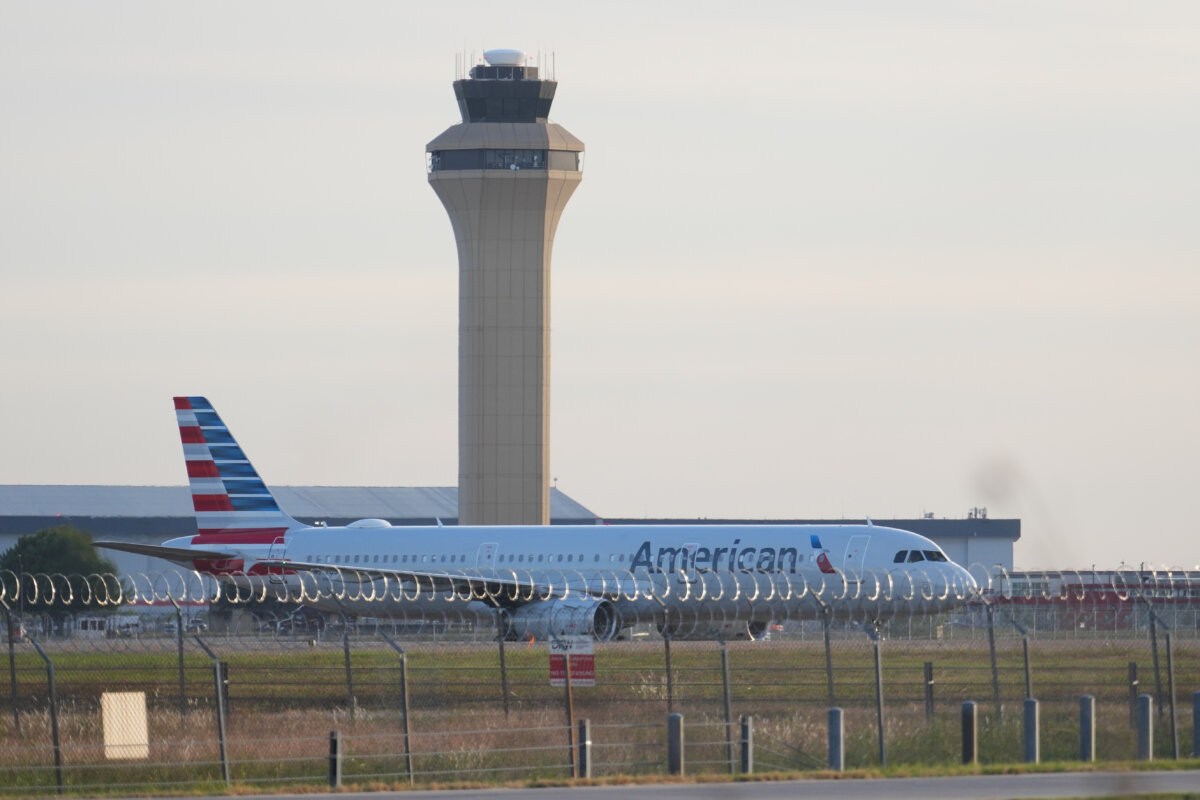

Transportation Secretary Sean Duffy said on Nov. 14 that he’s narrowed down the potential causes behind the Federal Aviation Administration’s (FAA) nationwide ground stop on Friday.
Duffy said workers for longtime government contractor L3Harris were doing routine maintenance to switch telecommunication lines from old copper wire to fiber at a remote location when it started flooding other routers in the air traffic control system.
An investigation is underway to determine whether L3Harris installed a faulty router or its workers made a setup mistake.
“We haven’t determined what the fault was,” Duffy said during a press conference on Saturday. “Was it the router, or were they not doing great work for us at L3Harris?”
Duffy said over 1,000 connection attempts occurred every four to five seconds, causing communication issues with airplanes and disrupting our radar feeds.
The instability prompted the FAA to issue a ground stop until they could determine what was happening.
“Many of our contractors, many of our partners, they take our money, and they provide really poor service to us,” Duffy said.
“Full stop. And we have demanded more. We demanded better because the American people deserve better, and we’re getting better performance from everyone who’s doing business with us now; we need L3Harris or whoever provided that router to us to do a better job.”
The Epoch Times reached out to L3Harris for comment.
Duffy said that “we don’t believe this was cyber at all” and urged Congress to invest in a state-of-the-art air traffic control system.
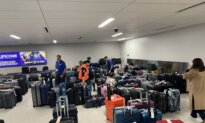
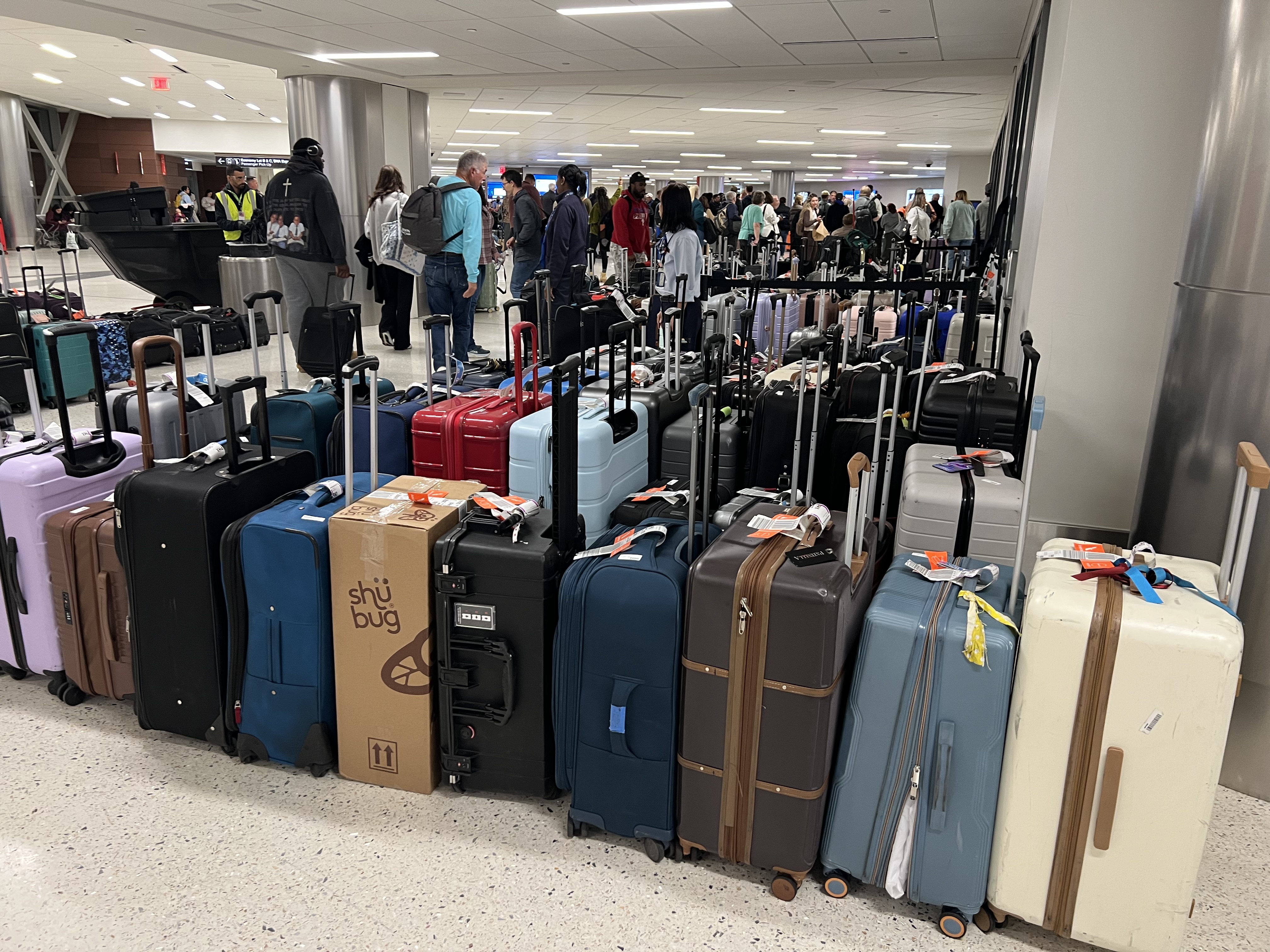 Suitcases crowded the baggage claim area of Nashville International Airport on Nov. 13, 2026, when the Federal Aviation Administration (FAA) announced a nationwide ground stop. (Jacki Thrapp/The Epoch Times)
Duffy also said that the FAA’s new SMART system from Air Space Intelligence wasn’t connected to, or involved with, the older routers and communications equipment that failed yesterday.
“It’s a tool that gives a prompt to one of our flight managers that they can accept or deny, but it’s just better information flowing to them,” Duffy said. “But there is no connection from this tool.”
The ground stop on Nov. 13 lasted four hours and 21 minutes from 3:54 p.m. ET to 8:15 p.m. ET.
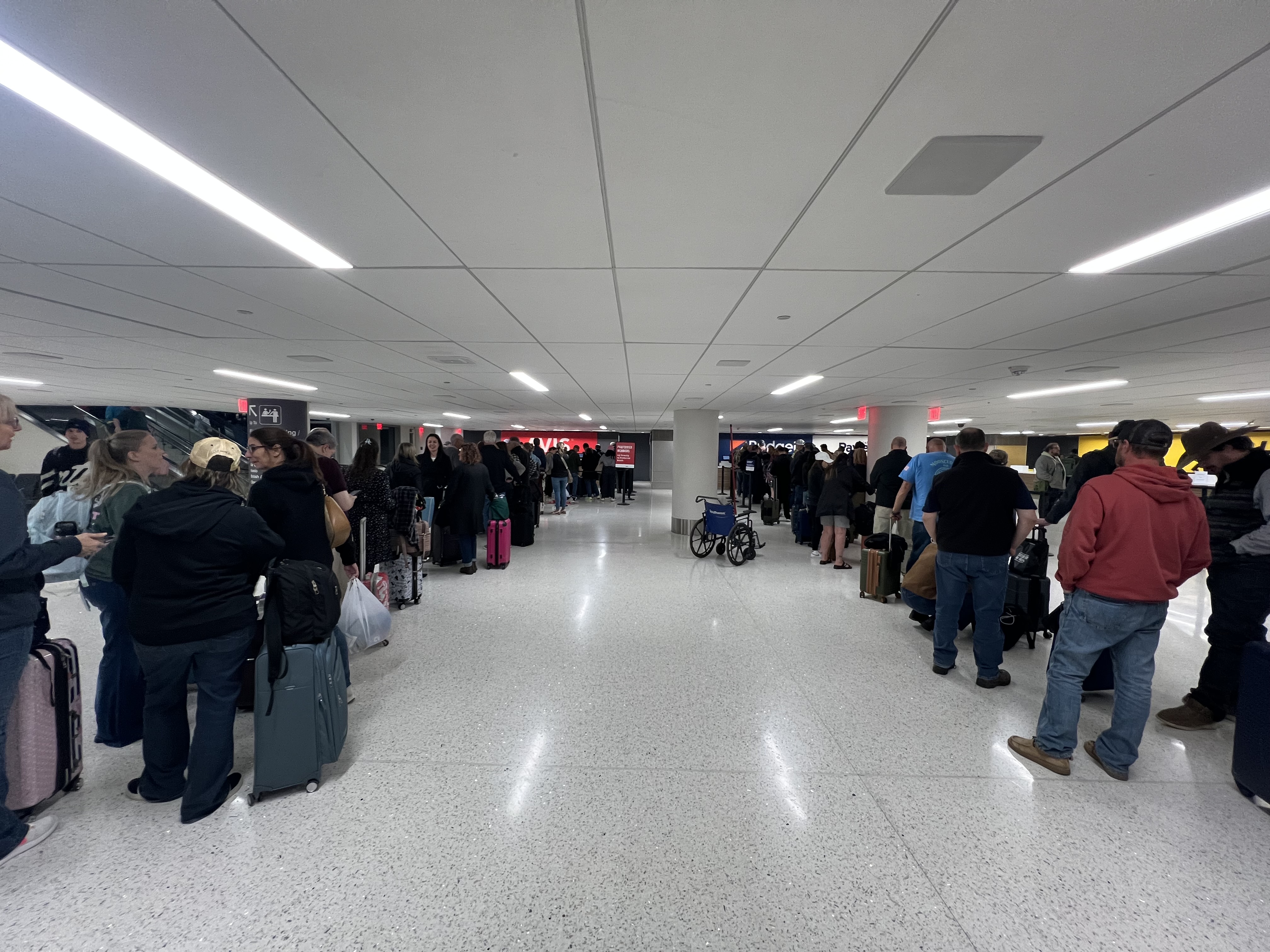 Dozens of people waited in car rental lines at the Nashville International Airport on Nov. 13, 2026, during the Federal Aviation Administration’s (FAA) nationwide ground stop. (Jacki Thrapp/The Epoch Times)
“I’m sorry that we put you through this, but we did it for the right reasons,” Bedford said.
Bedford said that after the system “started to exhibit some instability,” they implemented a ground stop to relieve pressure as they probed the root cause.
On Friday, roughly 9,000–10,000 flights were canceled, while the total number of flights that could not be completed was closer to 12,000, according to Bedford.
As of Saturday morning, officials said the system was stable, and airlines were working to get crews in place to resume travel.
Bedford said he expects 4,000 to 5,000 cancellations on Saturday.
As of mid-morning Saturday, more than 4,000 flights within, into, and out of the United States were canceled, with thousands of delays, according to flight-tracking website FlightAware.
Chicago O’Hare (ORD) reported the most cancellations on Saturday, with over 450 flights to and from the airport cut. Other airports with hundreds of cancellations included Atlanta Hartsfield-Jackson (ATL), Dallas-Fort Worth (DFW), New York JFK, Houston Bush (IAH), and Denver (DEN).
Thousands of passengers were caught at airports nationwide waiting for flights or standing in line for a rental car, choosing to drive to their final destination rather than sit in uncertainty and wait for a new flight.
Gillian Hamilton, a Canadian attempting to fly from Nashville to her home in Saskatchewan, had already boarded her WestJet plane when the FAA issued the ground stop.
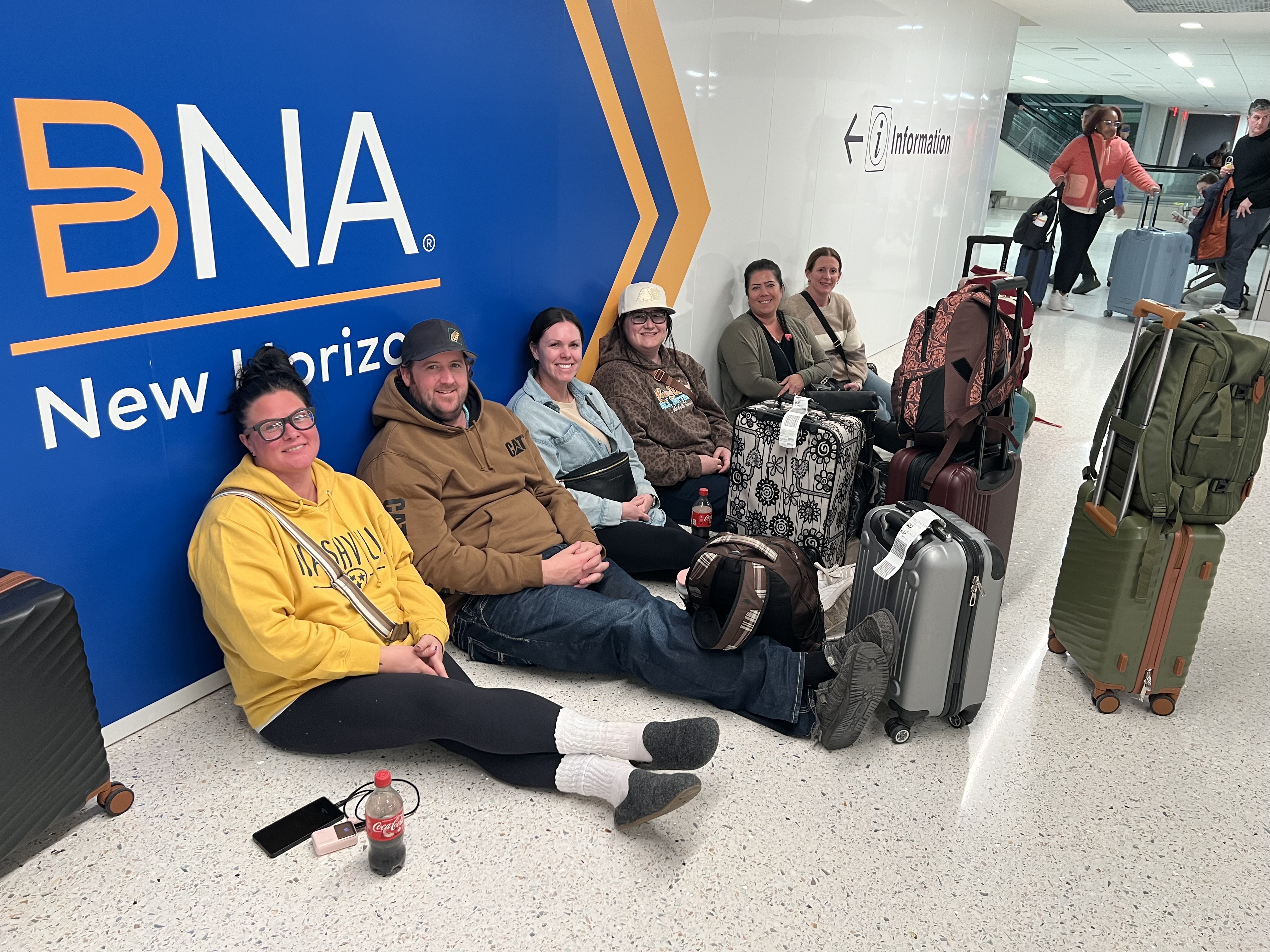 A group of Canadians decided to rent a car and embark on a 30-hour journey north after the FAA issued a ground stop at Nashville International Airport. (Jacki Thrapp/The Epoch Times)
Hamilton and her friends rented a car and drove 30 hours to Canada.
Other people, like Emma, a St. Louis-based businesswoman visiting Nashville, had a tricky time finding a car to rent after flights were canceled.
“Nearly every car place near the airport was out of cars,” Emma told The Epoch Times.
Emma eventually secured a reservation.
 Friends Read Free
Copy
Facebook
Tweet