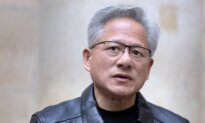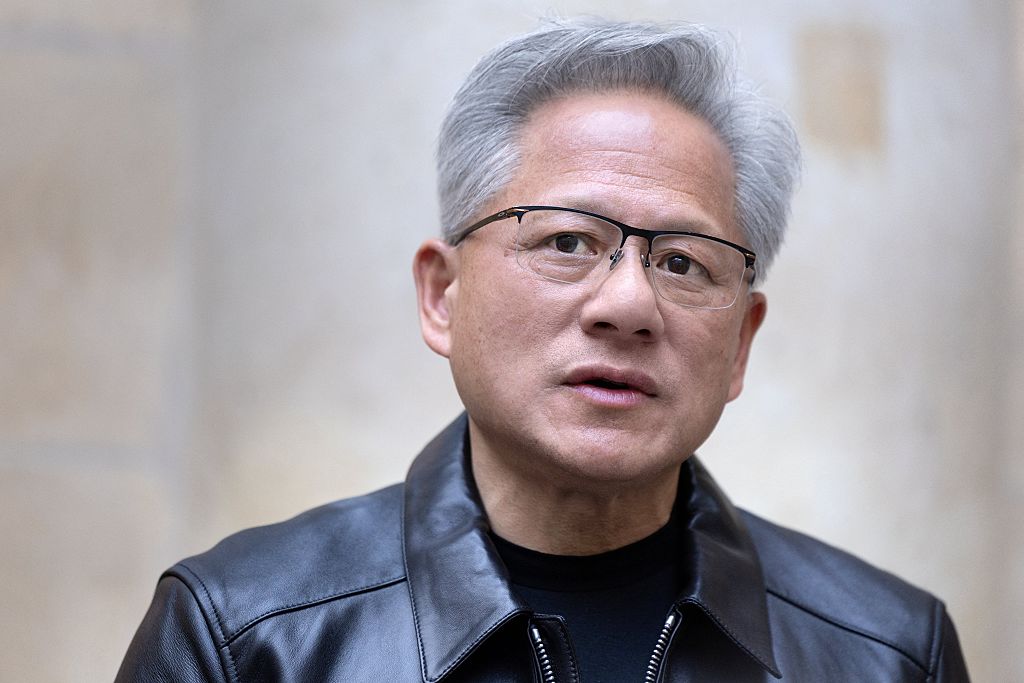
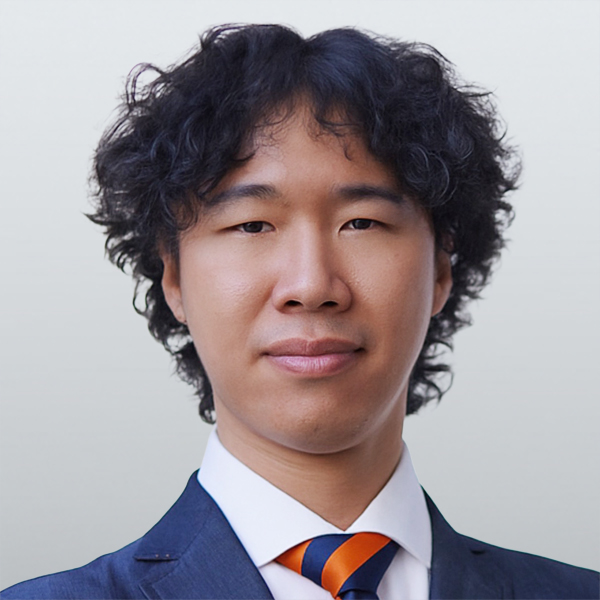
Recent allegations of Chinese intelligence operations targeting former Nvidia CEO Jensen Huang highlight how China’s intelligence agencies may seek access to American tech companies through personal and business relationships, rather than relying solely on traditional espionage, according to two Chinese analysts based in the United States.
The analysts warned that the case could have implications beyond Nvidia, raising questions about the security of the American tech sector and the risks of Chinese intelligence operations targeting people with access to sensitive business information.
Huang resigned as Nvidia’s CEO on Nov. 12, four days after he admitted in a letter to company employees that he had been unfaithful to his wife. Although Huang didn’t name who he had an affair with in his letter, several media outlets citing unnamed sources, including the Financial Times, identified her as Alice Huang, a former executive at Singapore-based data center company Megaspeed International, an Nvidia cloud partner.
According to a Nov. 6 report published by The New York Times citing anonymous sources, the Chinese businesswoman, who is not related to Jensen Huang, is suspected by U.S. intelligence officials of working for China’s Ministry of State Security (MSS).
Nvidia announced that Chief Financial Officer Colette Kress would serve as interim CEO while the board searches for a permanent successor. The board had previously launched an independent investigation into the matter. The board said it had no reason to believe national security or company secrets were compromised.
Intelligence Risks
U.S.-based Chinese author and political commentator Chen Pokong told The Epoch Times that the controversy goes beyond Jensen Huang’s personal relationships and corporate conduct.
“It is particularly serious because it involves an [alleged] Chinese Communist Party spy,” Chen said.
Chen warned that the implications could extend from Nvidia to U.S. government decisions on semiconductor exports and technology policy toward China.
In Chen’s view, the incident shows Americans how far the CCP is willing to go with unconventional tactics to obtain U.S. technology and trade secrets.
 A screengrab from CTI video footage obtained Nov. 9, 2026, shows a woman identified by Reuters as Alice Huang after comparison with a photograph obtained separately, attending a dinner with Nvidia CEO Jensen Huang (in black) at a restaurant in Taipei, Taiwan, on May 22, 2025. (CTI via Reuters)
“Actually, the CCP’s intelligence operations are the best in the world. Western countries may not fully understand this,” Wang said.
He described a range of recruitment methods, including financial inducements, pressure, and romantic relationships.
“First, they use money to open the way. If money doesn’t work, they resort to pressure. If that still doesn’t work, they use the honey trap to make you comply,” he said.
Wang cited the case of Linda Sun, a former aide to New York governors Andrew Cuomo and Kathy Hochul, who was charged with acting as an undisclosed agent of the Chinese regime. He said Chinese officials could cultivate relationships through gifts, personal assistance, and business opportunities for relatives, making such arrangements difficult to establish as intelligence activity.
Wang also warned that intelligence risks do not necessarily disappear when a senior executive leaves a company. He described three broad categories of people potentially involved in Chinese intelligence operations: professional intelligence officers, individuals recruited through financial or personal incentives, and people whose existing social or professional relationships are exploited to gain access.
He said the latter two groups could be particularly difficult to identify because they might not initially recognize that they are being drawn into intelligence activities.
On Nov. 9, Chinese Foreign Ministry spokesman Guo Jiakun dismissed reports alleging Alice Huang is a Chinese spy as “unsubstantiated.” He did not directly answer questions about her Chinese citizenship or whereabouts at a briefing the next day.
When asked about Jensen Huang on Nov. 9, Trump said, “We’ll look into it.”
“I know the FBI is looking into it in terms of something else, and I think that he’ll be in good shape,” the president said. He also said he had called Jensen Huang, who told him he did not know the woman was a suspected intelligence asset.
The allegations have added pressure to Washington’s debate over semiconductor exports to China and the effectiveness of existing restrictions. They could also complicate diplomatic engagement between Washington and Beijing, particularly as both governments seek to manage competition over artificial intelligence and advanced technology.
Chen said the case could affect future contacts between American tech executives and Chinese officials, as companies reassess the risks of doing business in China.
He warned that the United States needed a long-term strategy to address the CCP’s intelligence activities, arguing that the competition between the two countries extends beyond military affairs to technology, economics and geopolitics.
Li Jing and Luo Ya contributed to this report.
 Friends Read Free
Copy
Facebook
Tweet