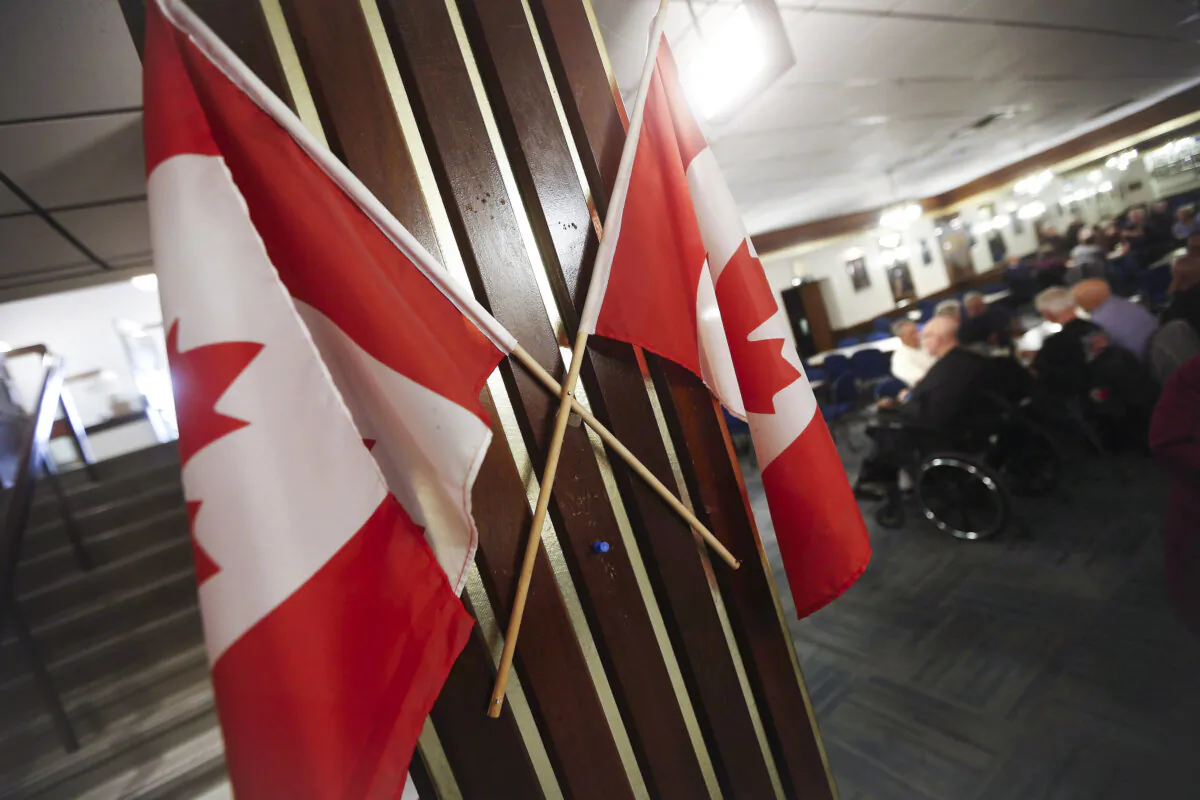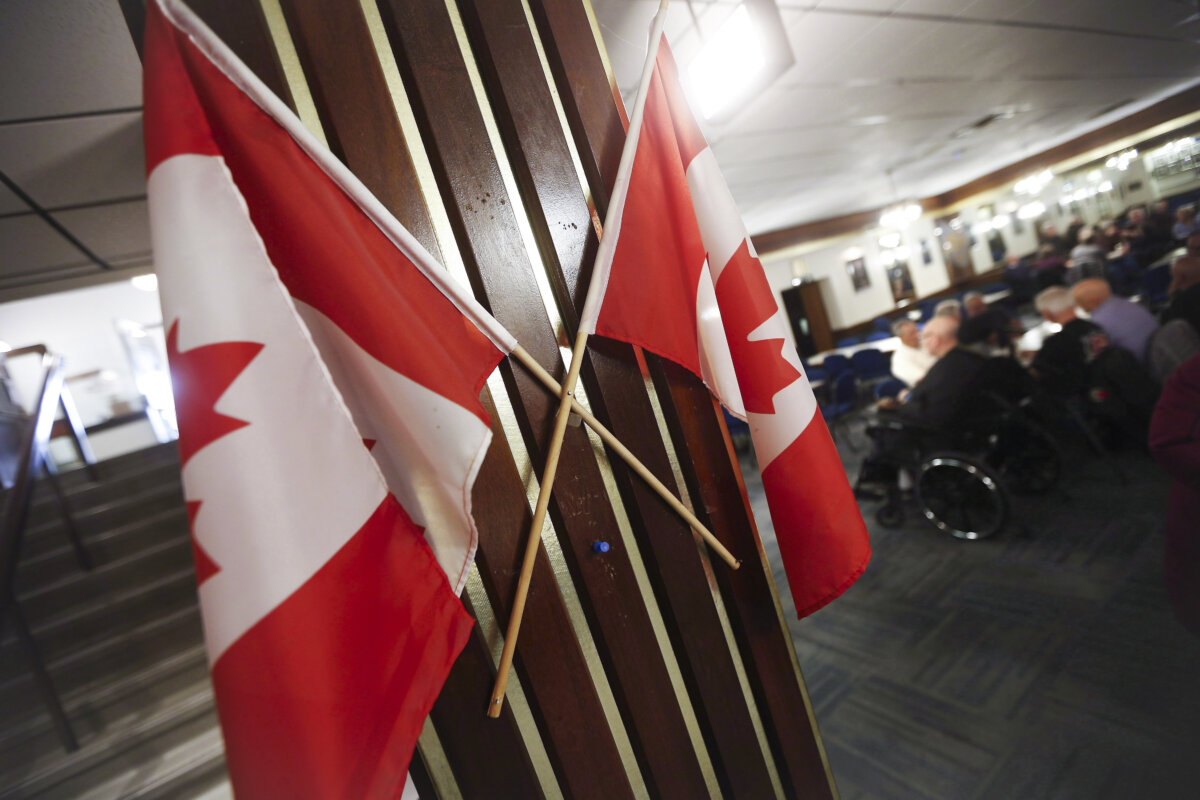

An Ottawa student hopes his upcoming book project will preserve the reflections of Canada’s remaining World War II veterans, including their views on how they are treated today compared with decades past.
Evan Schneller, chairman of the University of Ottawa’s Canadian Historical Society chapter, recently launched “Project Forgotten Heroes,” which will document veterans’ experiences before, during, and after World War II, as well as their views on modern Canada and how they have been treated over the years.
Schneller and his colleagues plan to collect responses from Canadian veterans by January 2027 and publish the book later that year. In addition to conducting interviews themselves, they are seeking volunteers to help record veterans’ stories.
Schneller, 19, is a second-year engineering student who said he is passionate about history and enjoys exploring historical topics.
Schneller said he was inspired to pursue the project after attending a political event where he heard attendees offer left- and right-leaning interpretations of why veterans fought in World War II. He said all of the explanations he heard were historically inaccurate.
“It kind of irked me that when veterans are mentioned, it’s just for the sake of politics,” he continued. He added that, in his view, veterans’ struggles with issues such as homelessness and suicide are often overlooked unless there is “political capital” to be gained.
Schneller said the book aims to capture “the last essence” of veterans’ beliefs, as surviving veterans are now generally in their late 90s or older. Veterans Affairs Canada estimated that 3,691 Canadian World War II veterans were still alive in 2025.
“This is the last opportunity we’ll ever get to interview them. So I think it’s very important that we get their perspective now, because things have changed so much even in the last 10 years,” Schneller said. “And I think their thoughts and opinions have likely changed lots.”
Schneller said he has been contacting Royal Canadian Legion branches across the country to find veterans willing to participate.
“That’s been a lot of work,” he added.
Although Schneller has yet to interview any veterans, he has scheduled more than a dozen in-person and telephone interviews for November and December. Most of the prospective interviewees live in Ontario, while others are in Prince Edward Island and New Brunswick.
After collecting the stories, the team plans to seek out testimonies from veterans recorded decades ago to examine how their views have changed over time.
Questions to Veterans
Project Forgotten Heroes aims to answer questions commonly asked of veterans, including what they experienced during the war, why they enlisted, and what life in Canada was like when they were younger.
Other questions explore how veterans feel they are treated by society and governments today, how Canada has changed since their youth, what their fellow servicemen might have thought of modern Canada, whether the war was worth the sacrifice, and whether today’s society could withstand another major war.
Schneller said he developed these questions to better understand how veterans view their place in society.
Anyone interested in participating in Project Forgotten Heroes can contact the team at uocanadianhistoricalsoc@gmail.com or eschn065@uottawa.ca
 Friends Read Free
Copy
Facebook
Tweet