
Commentary
Why would President Donald Trump meet with Chinese leader Xi Jinping just weeks before the midterms?
I’ve heard that question over and over the past few days, from viewers, from friends, and even from members of Congress. The media has its answer ready, of course. It’s a distraction, they say. A photo op. A president who should be out campaigning instead of hosting a state dinner for the leader of our biggest rival.
They have it exactly backwards. The timing is the point.
Xi Needs This Meeting More Than We Do
Look at the calendar from Beijing’s side.
When Xi gets home, he starts preparing for a Party Congress where he has to show the Communist Party elite that China’s economy is steady and its relationship with America is under control. A cold, empty trip to Washington is the last thing he can afford right now.
President Trump always knows what the other side can’t afford to lose. It’s what makes him the best negotiator to occupy the Oval Office in my lifetime.
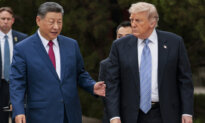
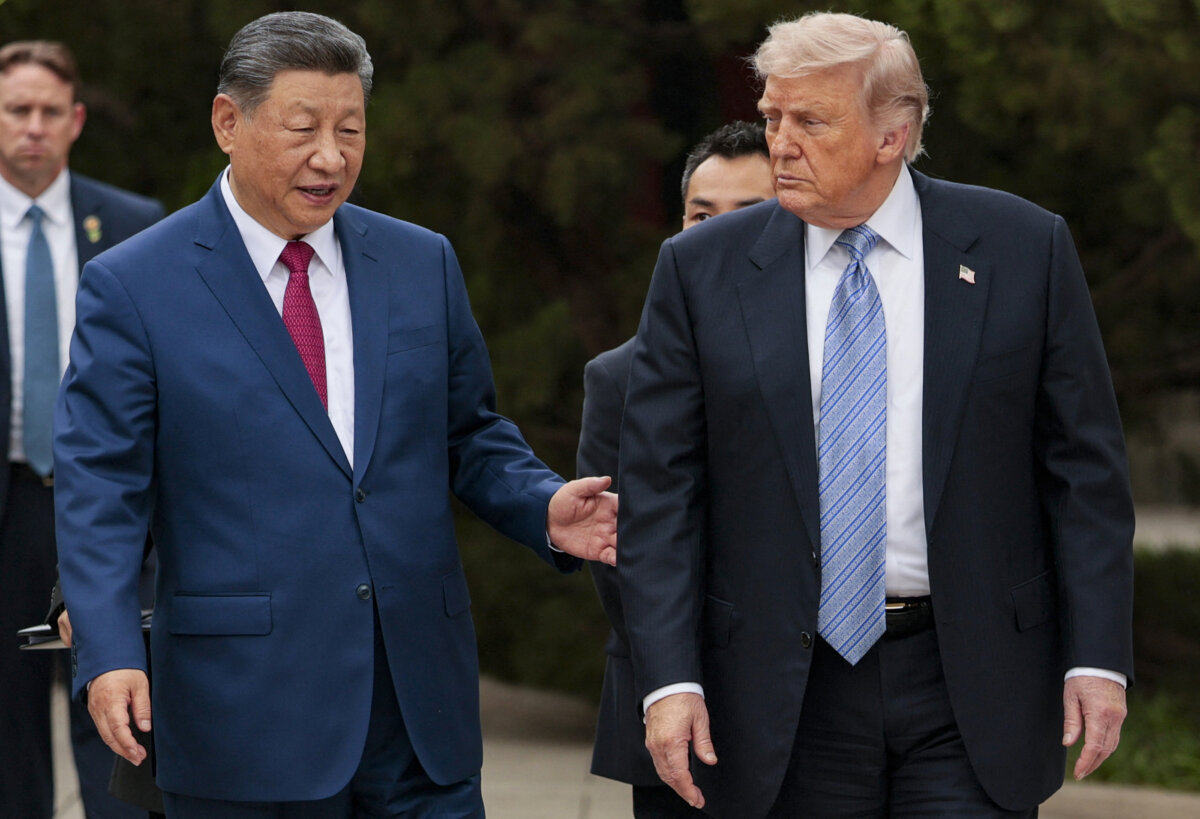
So he didn’t wait at the White House. He went to Joint Base Andrews and greeted Xi at the foot of the airplane stairs, something he almost never does. The gesture was gracious, and the message was unmistakable.
Xi hadn’t been to Washington since 2015. This week, he came to us.
Short Truce, on Purpose
Then there’s the trade truce.
The pundits predicted the Busan deal would be extended six months or more. The administration gave it two months, through Jan. 10, and the usual voices rushed to call it a disappointment.
Call it a leash instead. A short one.
Tariffs stay put, rare earths keep flowing to American manufacturers, and Beijing knows it has to deliver more before it gets more time. That pressure carries right through the election and into the G20 in Miami, where the president will once again be negotiating on home turf.
There were reports that China floated a much longer rare earths deal. The president passed. Good for him.
What It Means for November
Here’s what the critics never seem to understand about Donald Trump. He is far less concerned with winning elections than with winning for America. He didn’t schedule this summit around a campaign calendar.
But when a president wins for America, the politics tend to take care of themselves. And this summit is about the one issue voters never stop caring about, which is their wallets.
Just ask a soybean farmer. After Busan, China committed to buying 25 million metric tons of American soybeans a year for three years, after months of boycotting them. For farm families who watched their biggest customer walk away, that’s the difference between paying the bills and selling the land.
Ask the hard-working Americans in factories across the swing states. China refines most of the world’s rare earths, the materials inside everything from cellphones to fighter jets. Keeping that supply moving protects their jobs today, while this administration builds American capacity with our allies so we’re never held hostage like this again.
And ask anyone watching the news out of the Middle East. With that conflict dragging on the global economy, Americans want a president who can sit across the table from the toughest leaders on earth and come home with results. For years, Washington’s China policy was strongly worded statements and business as usual.
Voters remember that.
Strategy in the Room
So what is the president actually after?
Time on rare earths, for starters, and he’s using it well. Short extensions keep the lifeline open while new critical minerals deals with our allies chip away at the leverage Beijing has held over us for years.
He also wants to set the rules on artificial intelligence before someone else writes them for us. He has said superintelligence will be a major topic this week, and the administration is expected to pitch a direct AI hotline between Washington and Beijing so a technological accident never becomes a crisis. Ronald Reagan talked arms control with the Soviets from a position of strength. President Trump is doing the same with the defining technology of our century, while American companies stay out front.
And then there’s the personal diplomacy. Two summits in five months, Beijing and now Washington, with Miami on the horizon. Each one puts a date on the calendar, and Beijing has to show up with answers on trade, fentanyl, Iran, and Taiwan. The media obsesses over the friendly handshakes. What the president values is a direct line to Xi, and he has shown he’ll use it.
Reckless or Desperate? Make Up Your Minds
Notice how the critics can’t decide.
If the president had refused to meet with Xi, he’d be reckless. Because he did meet with him, he’s desperate. Is he too tough on China or too soft? Too focused on the election or not focused enough?
The one thing the critics agree on is that whatever he does, it’s wrong.
Meanwhile, he keeps doing what works. He negotiates from strength, on his own timeline, with American workers in mind.
When the soybeans are shipping, the factories are supplied, and China is on a short leash, voters will know who took this rivalry seriously. My guess is they’ll say so in November.
Views expressed in this article are the opinions of the author and do not necessarily reflect the views of The Epoch Times.
 Friends Read Free
Copy
Facebook
Tweet