Commentary
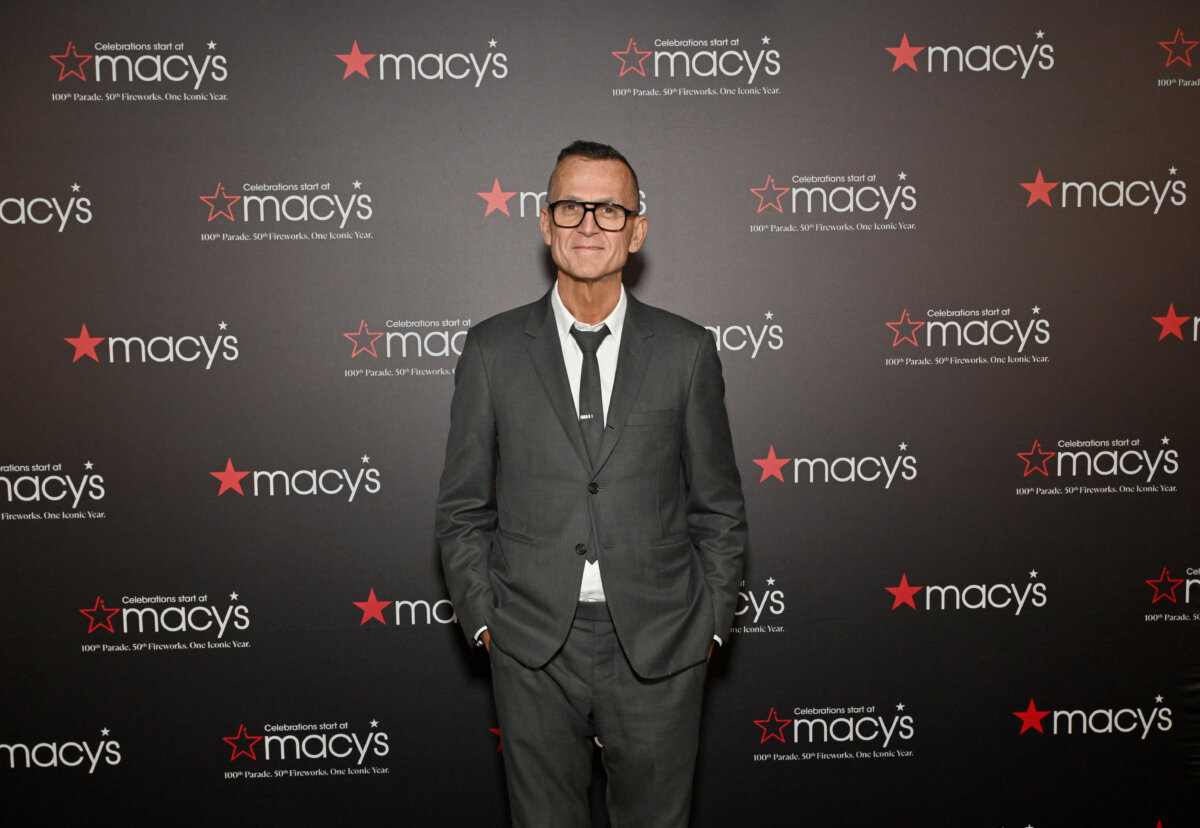
When I watched Steven Kolb restrain animal-rights activists disrupting New York Fashion Week, I did not see a villain.
I thought, “This is ridiculous.”
Six PETA employees entered the COS show to disrupt it. Some rushed onto the runway shouting about wool, while others filmed it. Kolb, longtime CEO of the Council of Fashion Designers of America, intervened and restrained two of them.
Within hours, Kolb apologized. He said security should have intervened, took leave pending review, and promised to seek professional help.
But why must a man farm out responsibility for protecting his space to an hourly security guard? What made that guard more entitled to intervene?
Men have protected what was entrusted to them throughout history. Kolb saw people disrupting an industry that he has helped lead for two decades, and he acted.
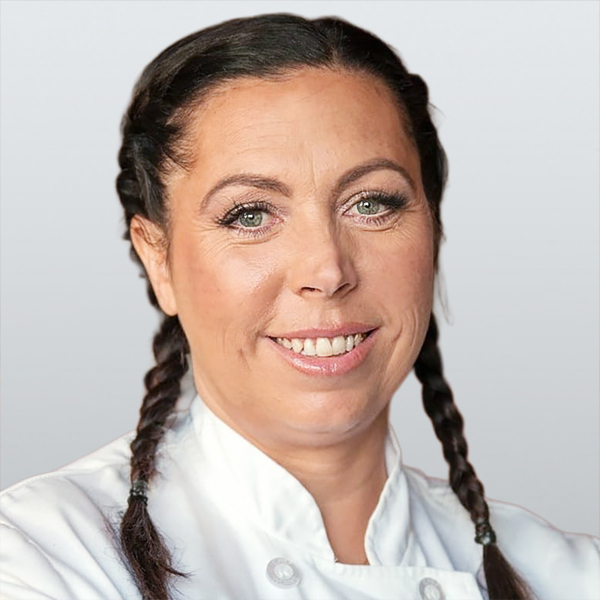
For much of my life, I belonged to the vegan and animal-rights world. I owned five vegan restaurants in Los Angeles and attended PETA galas and similar events. Photographs show me in front of their step-and-repeat walls. PETA’s Bob Barker Building was blocks from my restaurant. We believed that we fought the same fight.
Then I became a farmer.
Working with soil and animals changed me. Removing animals from agriculture does not remove death; it makes death less visible. Animals die to protect crops, while organic farms use manure, blood meal, and bone meal.
I did not stop caring about animals. That care drew me deeper. Animals deserve lives resembling those God intended—not crates, automatic separation of every dairy calf from its mother, or abuse by caretakers.
What changed was my willingness to hold two truths at once: We should give animals better lives, and we cannot eliminate death simply by changing what appears on our plates.
In 2024, I transformed my vegan restaurants into regenerative restaurants. We kept serving plant-based food while adding carefully sourced meat, dairy, and eggs. I expected disagreement, not a sustained campaign to damage the business.
Protesters stationed themselves outside on Friday evenings during the farmers market, one of our most important periods. They appeared on Mother’s Day, Father’s Day, and during other busy services. They came inside with a drum, a horn, and a megaphone, shouting, “Chef Mollie has blood on her hands.” Customers fled without paying.
Fake blood was thrown or used to write accusatory messages. Our listings on Yelp, Google, and Apple Maps were repeatedly changed to state that we were permanently closed. Online, people disparaged me, created grotesque memes—including images involving me breastfeeding grown men—and left thousands of comments, some wishing harm upon me and my children.
I cannot prove who financed or directed the campaign or claim that PETA was responsible without evidence. But these were not a few disappointed diners. The effort was coordinated, persistent, and intended to damage our business. PETA joined the condemnation, calling our change a “huge betrayal” and regenerative agriculture greenwashing.
Years of animal advocacy created no goodwill. Nobody was curious about what farming had taught me. There was only apostasy and punishment. The pressure damaged a business already struggling after the COVID-19 pandemic. Eventually, I lost the restaurants I had spent 14 years building.
Yet as the woman Kolb restrained fell, I saw desperation in her eyes. She believed that she was saving animals. I recognized my younger self, before I understood life, death, agriculture, or humanity’s place within creation.
I have come to see veganism, in some ways, as a trauma response born from never developing a healthy relationship with death or understanding that death is the other side of life. Neither exists without the other. Veganism offered me the comforting promise that I could remain alive without participating in death, replacing discernment with abstinence.
I am a free-speech maximalist. Anyone may criticize me, Kolb, PETA, or fashion. But over the past decade—reaching fever pitch during COVID-19—disruption itself became a virtue. Everything had to be disrupted. Disruption may sometimes be necessary, but it is neither virtuous nor consequence-free.
Sincere beliefs do not entitle someone to enter another person’s business with the intent to damage it and then demand immunity from normal human reactions. Free speech is not freedom from boundaries or consequences.
Some say Kolb should have waited for security. I reject the premise. Paid guards do not relieve a man of responsibility for his space. Kolb did not pursue peaceful protesters on a sidewalk. They entered a private event to disrupt it, and he stopped them.
Removing someone who violates ordinary boundaries is not initiating violence against an innocent person.
The playbook is familiar: disrupt, provoke frustration, capture the reaction, and call the police. At my restaurant, protesters blocked our door. Someone opened it forcefully, and it struck them. Believing that they had their gotcha moment, they called the police and tried to press charges—only to learn it was farmers market security, not my employee. Nothing came of it. The pattern was clear: The instigator becomes the victim, and the reaction becomes the scandal.
Civilization cannot survive when courtesy is required only from the person being attacked, or one side may provoke while the other cannot respond. Compassion is not compassion if it extends to sheep but disappears when a human being changes her mind or obstructs the cause.
PETA’s proposed meeting is revealing. After discussing a police report, its spokesperson said that PETA was “willing to drop everything” if it reached an understanding with Kolb that would benefit animals. That resembles a hostage negotiation: Give us a meaningful concession, and we will stop pursuing you. Disruption creates confrontation; confrontation creates jeopardy; jeopardy becomes leverage.
The strategy works because spectacle gets attention. Major outlets blasted this confrontation across websites and social media. Meanwhile, I broke a story about an unexplained animal-welfare concern. Researchers reported visible lactation at harvest in 14.55 percent of native steers and 19.66 percent of dairy-cross steers—castrated males producing milk at slaughter.
I discussed it on more than a dozen podcasts and several online television programs. To my knowledge, no major outlet investigated it. My search of PETA’s website and indexed posts found no coverage. A fashion-show confrontation travels worldwide in hours, while an abnormality involving thousands of animals remains invisible.
I understand why PETA uses extreme tactics. Attention is hard to earn; conflict brings coverage, awareness, and fundraising. I want attention when animals may be suffering, too. But I will not break into feedlots to inspect lactating steers and then portray anyone who removes me as the aggressor.
Kolb has apologized and agreed to meet with PETA. I hope he does not mistake leadership for a duty to sit passively while others violate ordinary boundaries.
I suspect Kolb and I have little in common politically or culturally. He works in New York fashion; I raise cattle in Texas. But if polite New York society will not stand up for a man protecting his space, I suppose a Texas cattle rancher must point out the obvious.
I once shared many of PETA’s convictions. I still want to protect animals from needless suffering. What I no longer accept is the belief that caring for animals requires denying the realities of nature, abandoning ordinary human boundaries, or destroying the lives of people who dare to see things differently.
Views expressed in this article are the opinions of the author and do not necessarily reflect the views of The Epoch Times.
 Friends Read Free
Copy
Facebook
Tweet