


Brain & Neurological Health
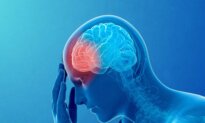
Stroke Rates Nearly Doubled Among Young Adults in 1 US Region, Study Finds
Why are more young adults having strokes?
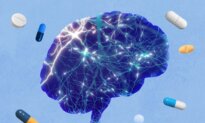
Different Psychiatric Drugs Leave Different Fingerprints on the Brain
The findings could eventually take some of the guesswork out of choosing psychiatric medications.

Gratitude Changes Your Brain. Here’s How.
Gratitude helps people see that even when life is hard, there are still things worth appreciating.

Can Pets Help Keep Your Brain Young?
Your pet might be one of your best health boosters, especially if it’s a dog. A study that followed older adults for over a decade found those with pets held ...
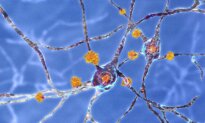
Intermittent Fasting May Help Slow Huntington’s Disease: Pilot Study
In Huntington's disease, where treatment options are scarce, even a small, low-risk intervention is worth chasing down.

What Happens When You Walk Barefoot?
Did you know that when your bare feet touch the ground, your nervous system shifts into a state of calm? Walking barefoot gives our brain a wealth of new sensory ...

Food for Mitochondria: Nano-Sized and Activated Vitamins to Power Our ‘Cells’ Batteries’—PART 2
Can nutrition help support the brain’s energy supply? In part two of “Vital Signs: Cellular Recharge,” retired neurosurgeon Dr. Russell Blaylock outlines the nutrients and plant extracts he suggests for ...

What a Sauna Does to Your Body
Sweating it out in a sauna may be one of the most underrated ways to age well and protect the brain. Research has found that frequent sauna use is linked ...
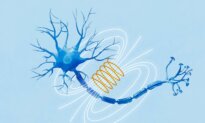
PEMF Therapy Shows Early Promise for Parkinson’s Disease
Pulsed electromagnetic field therapy may have potential as a noninvasive option for people with Parkinson's disease.
How to Revive the Cells’ Power Plants—Mitochondria—for Brain Health: Dr. Russell Blaylock
Neurosurgeon Dr. Russell Blaylock explains how mitochondrial dysfunction may contribute to brain fog, fatigue, Alzheimer's, Parkinson's, and brain inflammation.

Sleep-Deprived? A Nap or 20-Minute Workout May Help Protect Memory.
Nothing replaces a good night's sleep, but for those times when a sleepless night is unavoidable, certain techniques can get us through.
How Exercise Changes Your Brain, From Minutes to Years
Your brain needs exercise as much as your body does.

Why Your Back Pain Never Goes Away
Why can pain persist long after the injury that caused it has healed? This episode explores what pain really is, how your brain determines when you feel it, and how ...
Are GLP-1s Really Miracle Drugs?
The drug shows promise across multiple diseases, but the story is more complex.

The Healing Effects of Rain
The sound, smell, and chemistry of rain can lower stress, boost calm, and even improve memory.
Is Parkinson’s Disease a Man-Made Epidemic?
Chemicals in the food we eat, the water we drink, and the air we breathe have contributed to a disease that is largely man-made.

Why Menopause May Be a Turning Point for Alzheimer’s Risk
Estrogen loss during menopause may leave women's brains more vulnerable to Alzheimer's.

Could Autism Be An Energy Problem?
For decades, autism has been understood as a condition of brain wiring. However, a growing body of research points to a more fundamental problem: The brain may simply not be ...

The Surprising Biology of Writing by Hand
The way you write in your journal dictates how calm your mind is and how fast your body can heal. However, it's not just the act of writing—it comes down ...
Memory Decline May Start Earlier Than We Think, Study Suggests
Memory research has long focused on the young and the old, leaving middle age something of a blind spot.
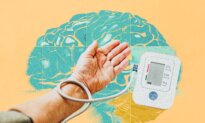
Higher Blood Pressure Linked to Lower Dementia Risk in Frail People: Study
A study's findings suggest that blood pressure may need to be evaluated differently from person to person.
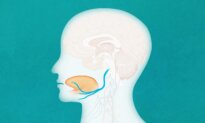
Hypoglossal Nerve Stimulation Could Relieve Sleep Apnea—Here’s How
A small implanted device can help keep your airway open at night.

What Happens to Your Brain When You Use Your Left Hand?
Memes oversimplify non-dominant hand strategies. Still, you might be surprised by the benefits.

Licorice: An Ancient Root That Supports Liver and Digestive Health–and More
Found in significant amounts in the tomb of Egyptian King Tutankhamun–today, licorice treats peptic ulcers and reduces inflammation in liver disease.

The Brain State That Makes Learning Stick
We forget most of what we learn, though not because of poor memory. When you sit down to learn something, there’s a particular mental state that you’re either in or ...

Your Brain Changes Every Time You Lie
Why should you tell the truth? While the moral argument is centuries old, this video explores the physical, mental, and spiritual effects of lying. Most lies seem to vanish quickly ...

How a Brain Surgeon Recovered From Midlife Burnout and Stays Active at 85
Protecting brain health demands proactive, balanced living—guarding against chronic burnout and stress, aging, and other stressors.