


Health Premium Reports
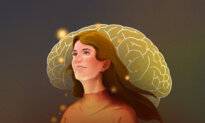
Gratitude Changes Your Brain. Here’s How.
Gratitude helps people see that even when life is hard, there are still things worth appreciating.
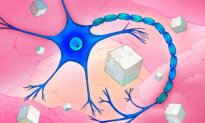
This Is Your Brain on Sugar
Sugar creates a powerful but fleeting sense of pleasure, and its effects ripple far beyond what we can see.
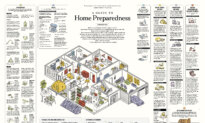
Infographic: Your Essential Guide to Emergency Preparedness
Be ready for the unexpected with the essential supplies and plans to keep your family safe and comfortable.
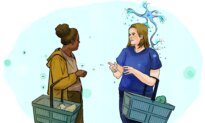
The Surprising Benefits of Talking to Strangers
Brief conversations with people we don’t know can be more fulfilling than we expect.
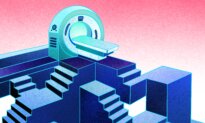
9 Unexpected Consequences of Routine Medical Tests
Medical tests can be lifesaving, but few patients are ever told about the unexpected scenarios.
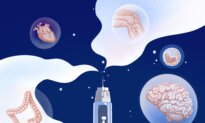
Are GLP-1s Really Miracle Drugs?
The drug shows promise across multiple diseases, but the story is more complex.
New PFAS Pesticides Are Entering Our Food System, Revealing a Conundrum
What makes these pesticides appealing is also what makes them dangerous.
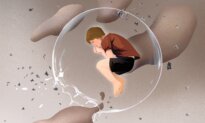
Something in the Environment Could Be Driving Up Autism
Chemicals in the environment have sharply risen in the past century, and the effects pass from generation to generation.
The Benefits Toys Can Give Children That Screens Never Will
Toys profoundly affect children's brain development—and beyond.
Dandelion Shows Promise Against Cancer. Human Trials Are Needed
Lab studies over the past two decades show dandelion extract triggered death in a variety of cancer cells, while leaving healthy cells unharmed.
Meditation Changes Your Brain—Here’s How
The brain imaging studies reveal that meditation and prayer share overlapping neurophysiological mechanisms.

Why MAID May Not Be the Peaceful Death Many Expect
Medical assistance in dying is often portrayed as a peaceful, predictable process, but the limited data suggest a more uncertain reality.
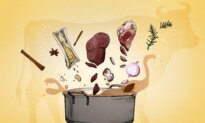
The Benefits of Eating Nose-to-Tail
Modern diets favor muscle meat, but liver, bone broth, and organ meats deliver nutrients that steak can't match.

Your Body Has a Healing Kit: Acupoints for 7 Everyday Ailments
Acupressure works by redistributing energy so the body can regain balance.

I Interviewed People Who Came Back From Death. They All Had a Similar Message.
Coming back from death is a real life-changer.

Little-Known Ways to Get a Cheaper Price on Your Prescription
Millions of Americans skip or stretch medications because of cost. There are cheaper options, but only if the patient knows where to look.

These People Visited the ‘Other Side,’ and Came Back Completely Changed
People who return from death don't just believe differently, they live differently, and with a change that rarely fades.

What Your Brain Looks Like When You Hate Someone
Lovers overlook flaws, while haters manufacture them.

10 Most Common Vitamin K Shot Questions, Answered
The progressive adoption of vitamin K shots as standard of care for newborns since the 1960s leaves many concerns about necessity, safety, and effectiveness.

Modern Motherhood Lost Generational Wisdom—and Mothers Want It Back
American mothers have never had access to more parenting information, but they have also never been more alone.

I Tried Waking Up at 5 a.m. for 30 Days. Here’s What Happened
I had already learned the first rule of early rising: Morning you is a different version than the one who set the alarm the night before.

When 1 Medication Turns Into Many—and How to Prevent It
One drug can lead to another. Doctors call it a prescribing cascade—and it often begins in predictable moments.

Starting Statins: New Guidelines Aim at Prevention but Create More Patients
Designed to prevent heart disease earlier, new guidelines ask for more testing and nuanced decisions–often in visits too short to fully weigh the trade-offs.

What Happens When Teachers Are Replaced by Screens
After a decade of one-to-one devices, some schools are rethinking the screen.

INFOGRAPHIC: Home Remedies for Everyday Ailments
From minor wounds to pain and mental health, experts share their best remedies for finding relief—using ingredients found in your kitchen.

ADHD May Not Be a Disorder After All
Some experts argue modern classrooms and rigid expectations could be a mismatch for the way some brains are wired.