



Federal health officials have released a new plan to prevent future outbreaks of a parasite that sickened thousands across the country this summer.
The Food and Drug Administration said on Oct. 2 that it is taking steps to prevent future outbreaks of Cyclospora, the parasite, and mitigate outbreaks that still occur.
FDA’s 10-point plan includes ramping up surveillance of product items previously linked to Cyclospora cases, including raspberries, lettuce, and cilantro, the agency said.
Other actions include boosting laboratory capacity in Mexico to collect and analyze samples for contamination and working with Mexican authorities to promote food safety education and training for workers in the food industry.
It will use new methods to monitor factors such as weather that may lead to the spread of cyclosporiasis—the disease caused by the parasite—and convene expert panels to identify ways to address gaps in farming, worker health and hygiene, and water and wastewater monitoring.
Officials also said they will increase inspections of foreign suppliers to ensure importers consider Cyclospora contamination when analyzing hazards, and will publish a report summarizing its investigation into the largest recent outbreak.
They will also update the FDA’s Cyclospora prevention, response, and research action plan with lessons learned from outbreak investigations, work with the Centers for Disease Control and Prevention to create a single standard for Cyclospora genotyping, which will improve speed in tracing outbreaks to sources, and engage with the public to raise awareness of food safety practices and requirements.
“The activities the FDA plans to conduct in advance of the 2027 growing and harvesting season are focused on surveillance, outreach, and finding innovative solutions to prevent Cyclospora contamination of fresh produce,” the FDA said in a statement.
Over the summer, nearly 20,000 confirmed cases of cyclosporiasis were reported across 49 states and the District of Columbia, including thousands in Michigan, while Illinois and Indiana reported between 1,000 and 3,999 cases, according to the CDC.
The summer’s largest outbreak caused 12,883 infections, 570 hospitalizations, and two deaths, federal officials said.
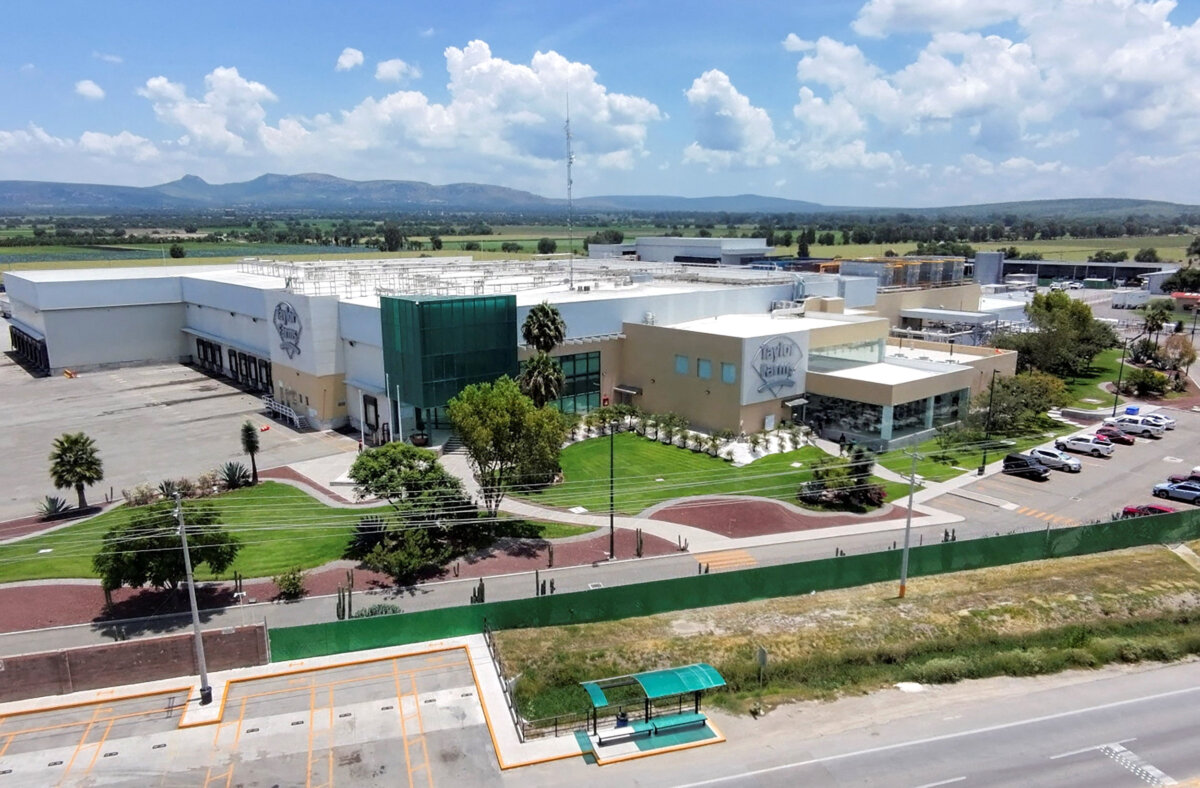
The FDA said Oct. 2 that personnel investigating the outbreak collected water, soil, sediment, wastewater, and lettuce samples. Two samples tested positive for Cyclospora. One was from outgoing wastewater from a Taylor Farms facility in Mexico, while another was from a drainage ditch of an unidentified iceberg lettuce grower.
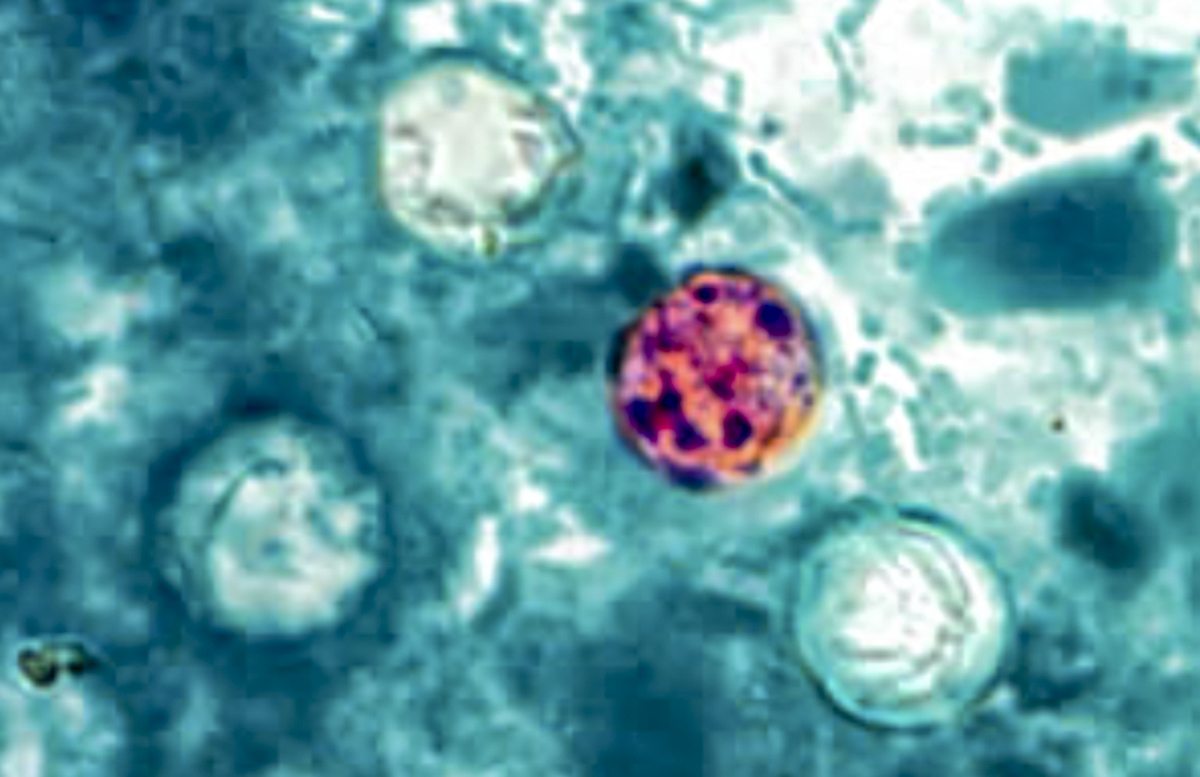 An undated file photograph of Cyclospora cayetanensis oocysts in a stool sample. (CDC via The Epoch Times)
“This adds to the strong epidemiological data and traceback convergence supporting the link between this outbreak and recalled shredded iceberg lettuce from Taylor Farms de Mexico,” the agency added.
Taylor Farms, which recalled iceberg lettuce over the summer, said Oct. 2 that its facility in central Mexico remains closed as it works to implement “enhanced safety protocols from the field to the facility.”
Taylor Farms said it removed the independent grower from its supplier program after a positive sample was found, and highlighted the FDA statement that the evidence is not conclusive.
“We remain concerned for the people and families impacted by this outbreak,” the company said. “Millions of families rely on the safety of Taylor Farms produce and we take that responsibility seriously. We know trust is earned by what we do, and we will continue to learn, improve, and take action to keep our food fresh and safe.”