


Drugs & Treatments
Different Psychiatric Drugs Leave Different Fingerprints on the Brain
The findings could eventually take some of the guesswork out of choosing psychiatric medications.
Knee Osteoarthritis: The Most Common Form Of Osteoarthritis—Here Are the Causes
It is a leading cause of pain and loss of function, but mild symptoms can often be managed with lifestyle changes.

Intermittent Fasting May Help Slow Huntington’s Disease: Pilot Study
In Huntington's disease, where treatment options are scarce, even a small, low-risk intervention is worth chasing down.

Mammograms Find Cancer Early—but How Many Lives Are Saved?
Researchers are studying how many women had their lives saved by mammograms and how many experienced unnecessary treatment.
Too Little or Too Much Testosterone Could Jeopardize Heart Health
The findings highlight the importance of personalized testosterone treatment rather than a one-size-fits-all approach.

Overuse of Inhalers Linked to Heart Attack Risk in Asthma and COPD Patients
Experts explain what asthma inhaler overuse is and how to manage it.

Nail Detachment, Hair Loss More Common Among GLP-1 Users: Study
GLP-1 users reported nail detachment at four times the rate of non-users.

The Relaxing Effect of Cannabis May Be Placebo, Study Finds
Researchers expected cannabis to take the edge off. Instead, they found that regular users felt less stressed whether they got THC or a placebo.
The Age of Your Organs Predicts Risk of Diseases Decades Before Symptoms Appear
A Stanford-developed blood test measures the biological age of 11 organs.

9 Unexpected Consequences of Routine Medical Tests
Medical tests can be lifesaving, but few patients are ever told about the unexpected scenarios.
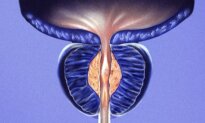
Enlarged Prostate: When to Seek Help and How to Choose Treatment
A urologist explains how prostate treatments differ in relief, side effects, recovery, and how well they fit individual needs.
The ‘Always Finish Your Antibiotics’ Rule May Be Outdated
Research has found that shorter antibiotic courses work well for many infections and could reduce side effects and drug resistance.
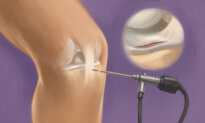
Arthroscopic Knee Surgery: One of the Most Common Orthopedic Procedures–Here’s What to Know
This minimally invasive procedure treats a range of knee problems, including meniscus tears, damaged ligaments, and loose fragments.
Are GLP-1s Really Miracle Drugs?
The drug shows promise across multiple diseases, but the story is more complex.

Alpha-Gal Syndrome–and the Treatment You’ve Never Heard Of
Some families are traveling hundreds of miles to receive a little-known ear acupuncture protocol for red meat allergy.
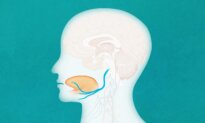
Hypoglossal Nerve Stimulation Could Relieve Sleep Apnea—Here’s How
A small implanted device can help keep your airway open at night.

Antipsychotics in Teens Linked to Rising Diabetes Risk
A Dutch study of 90,000 youths finds antipsychotic use—even short-term—raises Type 2 diabetes risk, especially in teen girls.

Melatonin May Ease Chronic Pain, Comparable to Some Medications
Chronic and acute pain are different experiences.
Can You Stop Taking Statins After Age 75? Study Offers Some Reassurance.
The findings suggest the decision to continue treatment may depend more on overall health, cardiovascular risk, and life expectancy than on age alone.
What We Know About Staying on Antidepressants Long Term
A review challenges how scientists have interpreted long-term treatment studies, raising questions about when medication should be reassessed.

Your New Symptom Might Be Your Old Prescription
A study of nearly 2.3 million older adults found that one medicine is often followed by another for a problem the first drug may have caused.

Common Erectile Dysfunction Drug Linked to Higher Glaucoma Risk
Long-term users may benefit from eye monitoring, especially those at risk of glaucoma.

Is Gabapentin the ‘Pill for Everything’?
You might be taking an anti-seizure drug for your back pain without even realizing it. In fact, 95 percent of gabapentin prescriptions are for uses it wasn’t originally approved to ...

Common Joint Supplement Linked to Faster Alzheimer’s Progression
Researchers found a brain pathway that may explain why glucosamine affects cognitive decline differently.
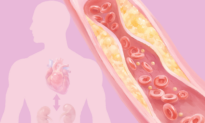
CKM Syndrome: A New Condition 9 in 10 Adults May Have–Here Are the Causes
CKM syndrome progresses through stages, and you can move backward through them—not just forward.

Hunchback: Spine’s Natural Curve Becomes Abnormal–Here’s How to Reverse It
A hunched back, medically known as kyphosis, often becomes more pronounced after age 40 and affects up to 40 percent of adults over 60.

Ozempic-Class Drugs Tied to Rare Smell and Taste Problems
Here’s how significant the risk is and when to see a doctor.