


Your heart is an intricate and robust pump that sends blood throughout your body to supply the oxygen your cells constantly require. Your heart beats about 100,000 times per day, forcing your blood to flow through more than 55,000 miles of blood vessels in a continuous loop. In a healthy heart, the intricate pacemaker cells trigger electrical impulses at precisely the right time to maintain adequate circulation throughout the body. Your heart is strong, but it can become weak and damaged if not cared for. Heart disease is the leading cause of death in the United States and largely caused by lifestyle factors. Losing excess weight, getting 2.5 hours of exercise a week, and eating a healthy diet can prevent heart disease. In addition, avoiding tobacco and excessive alcohol, will help keep your heart strong and healthy. Getting blood pressure checked regularly will let you know if you are developing issues.

Stroke Rates Nearly Doubled Among Young Adults in 1 US Region, Study Finds
Why are more young adults having strokes?

What a Mammogram Can Tell About Heart Health
Two parallel white lines on a breast scan can be a warning sign to discuss with a primary care physician or cardiologist.
What Holding a Grudge Actually Does to Your Body
Research suggests that even briefly recalling an angry memory can temporarily affect how your arteries function. Other studies have found surprising connections between resentment, blood pressure, and the heart. But ...
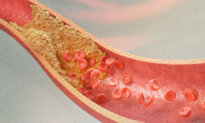
New Findings Challenge Decades of Saturated Fat Assumptions
On a high-saturated-fat diet, triglycerides fell, and high-density lipoprotein cholesterol rose, but low-density lipoprotein cholesterol also increased.
Too Little or Too Much Testosterone Could Jeopardize Heart Health
The findings highlight the importance of personalized testosterone treatment rather than a one-size-fits-all approach.
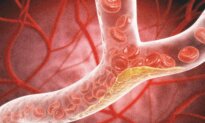
Beyond Cholesterol: The Hidden Changes That Shape Heart Health
Oxidative stress and inflammation damage blood vessels, contributing to arterial plaque buildup.

What a Sauna Does to Your Body
Sweating it out in a sauna may be one of the most underrated ways to age well and protect the brain. Research has found that frequent sauna use is linked ...

Overuse of Inhalers Linked to Heart Attack Risk in Asthma and COPD Patients
Experts explain what asthma inhaler overuse is and how to manage it.

80 Percent of 20-Year-Olds Already Have Early Warning Signs for Heart Disease
Focusing on key lifestyle habits in your 20s—such as diet, exercise, and sleep—set the foundation for a healthier future.

Stair Climbing May Cut Heart Disease Death Risk by 40 Percent
Stairs are a great way to get some quick exercise. You have to lift your entire body with each step, and that’s good for your heart. The science proves it. ...
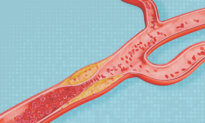
This Saturated Fat Slows Heart Disease
Researchers have found a bacterium is triggering genetic changes that can benefit heart health.
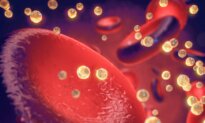
Why a Low-Carb Diet Raises LDL for Some People and Not Others
Genetics may partly explain differing cholesterol responses, although other factors also matter.

Are GLP-1s Really Miracle Drugs?
The drug shows promise across multiple diseases, but the story is more complex.
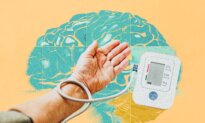
Higher Blood Pressure Linked to Lower Dementia Risk in Frail People: Study
A study's findings suggest that blood pressure may need to be evaluated differently from person to person.
I’m a TCM Practitioner. Here Is What I Recommend to Prevent Heart Disease.
Sudden cardiac arrest may seem to occur without warning. However, clinical observations suggest that cardiovascular events are often preceded by early signs.
Is High Cholesterol Really Bad for You?
Your doctor says high cholesterol can kill you. Social media says it might help you live to 100. Who’s right? A Swedish study that followed participants for 35 years found ...

How Artificial Sweeteners Trick Your Body
A study suggests that a widely used sugar substitute found in diet drinks, chewing gum, and low-sugar yogurt, may elevate insulin levels, potentially increasing the long-term risk of heart problems. ...
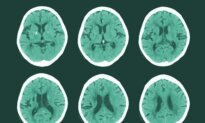
Warning Sign for Common Stroke May Not Be Blockages, Study Finds
A study adds to evidence that a paradigm shift may be needed in how some strokes are treated.
Can You Stop Taking Statins After Age 75? Study Offers Some Reassurance.
The findings suggest the decision to continue treatment may depend more on overall health, cardiovascular risk, and life expectancy than on age alone.
How to Reverse Heart Disease in 1 Year–for Free
One of the most crucial things you can do for your heart is surprisingly stationary.

A Heart Scan Is Supposed to Predict Heart Disease. Here Are the Facts
The $99 test neighbors swear by adds little for most people, and a new trial did not show that it prevents more heart attacks.

Climbing Stairs Cuts Heart Disease Death Risk by Nearly 40 Percent
Experts explain how much may be enough–and who should be cautious.

He Lost 15 Percent of His Weight—Why His High Cholesterol Persisted
Taking blood pressure medication and paying attention to diet are both important.

Sugary Drinks Linked to Higher Blood Pressure Risk Decades Later
The study, published in Circulation, tracked more than 25,000 U.S. children and teens for up to 25 years.

The Healing and Productive Powers of Puttering
Puttering. Tinkering. Fussing around. Whatever you call them, these informal activities are different from exercise or household chores in one important way: They’re not about being productive. Far from being ...
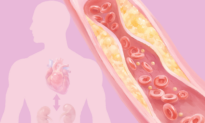
CKM Syndrome: A New Condition 9 in 10 Adults May Have–Here Are the Causes
CKM syndrome progresses through stages, and you can move backward through them—not just forward.

Are Seed Oils Secretly Making You Fat? How Cutting Calories Hurt ‘Biggest Losers’ — Georgi Dinkov
Seed oils may be quietly driving the modern obesity epidemic, according to metabolic-health writer Georgi Dinkov — and the culprit isn't sugar, he says, but the industrial cooking oils that ...