



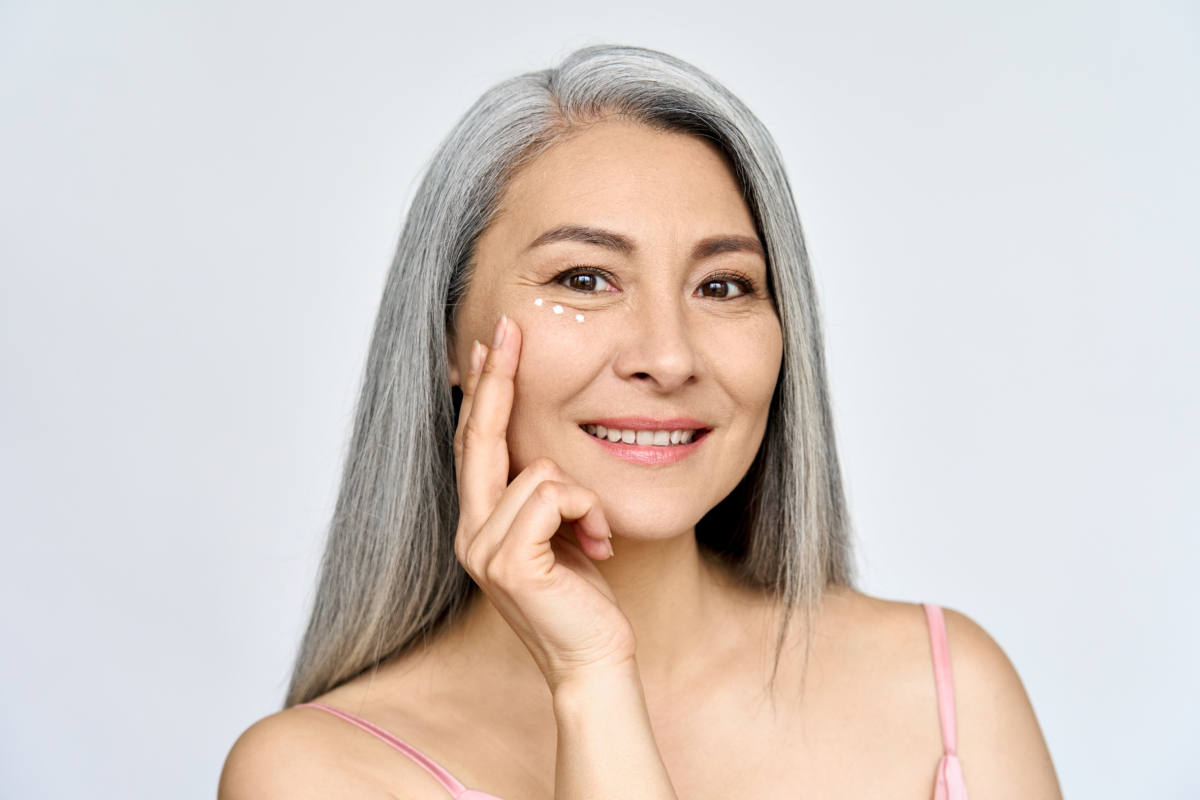
Bags under the eyes can result from aging, lack of sleep, or an imbalanced diet, among other unhealthy habits. Although they do not harm vision or pose health risks, under-eye bags can make eyes appear swollen and tired and make a person look older or unhealthy.
As people age, the tissues and muscles around their eyes weaken, which leads to sagging. The supportive fatty tissue may migrate down, causing the skin under the eyes to appear swollen. Fluid accumulation beneath the eyes can also result in mild swelling, sagging, or loosening of the skin.
As the skin ages, proteins like collagen and elastin that contribute to skin tightness and flexibility diminish. Less collagen can reduce skin and facial muscle tone, leading to sagging skin.
“The most common cause of eye bags or puffiness is natural aging,” according to Dr. Sean Doherty, a facial plastic and reconstructive surgeon. “As older individuals’ skin becomes excessively loose, it is prone to sagging or wrinkling. The muscles and tissues around the eyes also weaken, making eye bags look loose. This weakening makes the fatty tissue around the eyes protrude, creating a bubble-like appearance.”
6 Factors That Worsen Under-Eye Bags
Apart from aging, here are six other factors that contribute to under-eye bags:
1. Fluid Retention
Excessive salt in the diet can cause the face to retain water, making a person look more swollen, particularly around the eyes. The UK National Health Service recommends adults limit their daily salt intake to 6 grams (approximately 1 teaspoon), including salt already in food and salt added in.
2. Lack of Sleep
A study published in the journal Sleep in 2013 found that inadequate sleep affects facial appearance, leading to puffiness below the eyes, droopy eyelids, red eyes, and dark circles.
The Centers for Disease Control and Prevention recommends that adults aged 18 to 60 get at least seven hours of sleep per night.
3. Allergies
Allergies occur when the body’s immune system reacts to usually harmless substances, such as pollen, pet dander, or nuts. When allergens come into contact with the eyes, specific cells within the eyes called mast cells release histamine and other substances to combat the allergens. This reaction can cause redness and swelling, which can make eye bags look bigger.
4. Smoking
Smoking breaks down collagen and elastin, making the skin around the eyes thinner and less firm.
5. Genetic Predisposition
Some people are more prone to developing under-eye bags due to genetics. If blood relatives have dark circles or pronounced bags under their eyes, your eye bags could be genetic.
6. Medical Conditions
Bags under the eyes are usually cosmetic only and rarely a sign of a medical condition, though dermatitis, dermatomyositis, kidney disease, and thyroid eye disease may contribute to them.
9 Home Remedies for Under-Eye Bags
Not all eye bags are treatable without medical intervention, but here are some home remedies that target puffiness and swelling that make eye bags look worse:
-
Stay Hydrated
-
Eat Less Salt
-
Quit Smoking
-
Get Good-Quality Sleep
-
Avoid or Treat Allergens
-
Apply Cold Compresses: Wet a clean towel with cold water. Gently press the damp towel on the skin under the eyes and the surrounding area for several minutes.
-
Elevate Your Head: Sleep with your head higher than your heart.
-
Use Topical Caffeine: Place caffeinated tea bags on your eyes, or use a caffeine eye cream around the eyes.
-
Exercise Regularly: Exercise improves blood flow and lymphatic drainage.